
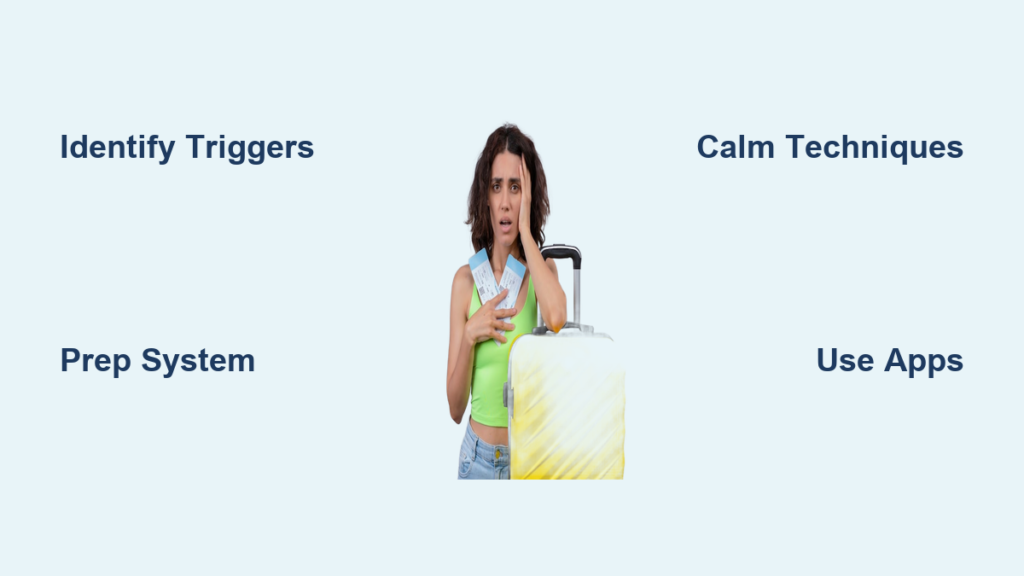
Your heart pounds as you stare at the flight confirmation email. Sleepless nights, constant “what if” scenarios, and physical symptoms like nausea consume your days before departure. If travel planning leaves you paralyzed with worry instead of excited for adventure, you’re not alone—how to combat travel anxiety is one of the most searched travel topics online. The good news? These feelings don’t have to derail your journeys.
Travel anxiety isn’t a character flaw—it’s a manageable condition affecting millions. With targeted strategies, you can transform from a nervous traveler to someone who boards planes with confidence. This guide delivers proven techniques that work for the specific triggers causing your distress, whether they strike during booking, at the airport, or mid-journey. Let’s dive into actionable solutions you can implement today.
Identify Your Specific Travel Anxiety Triggers
Before you can effectively combat travel anxiety, you need to pinpoint exactly what’s triggering your symptoms. Generic advice won’t help if you’re targeting the wrong fears—your anxiety has unique roots requiring personalized solutions.
Recognize Your Physical and Mental Warning Signs
Track your symptoms for one week before your next trip:
– Racing heart and shortness of breath when booking flights or approaching security
– Nausea and digestive issues starting days before departure
– Insomnia that worsens as travel dates approach
– Muscle tension concentrated in shoulders and neck
Document when these symptoms spike—is it during flight booking, packing, or arriving at airports? This pattern recognition becomes your roadmap for targeted interventions. Most travelers discover their anxiety stems from specific fears like loss of control, fear of the unknown, or past negative experiences rather than “travel” as a whole.
Create a Bulletproof Pre-Travel Preparation System
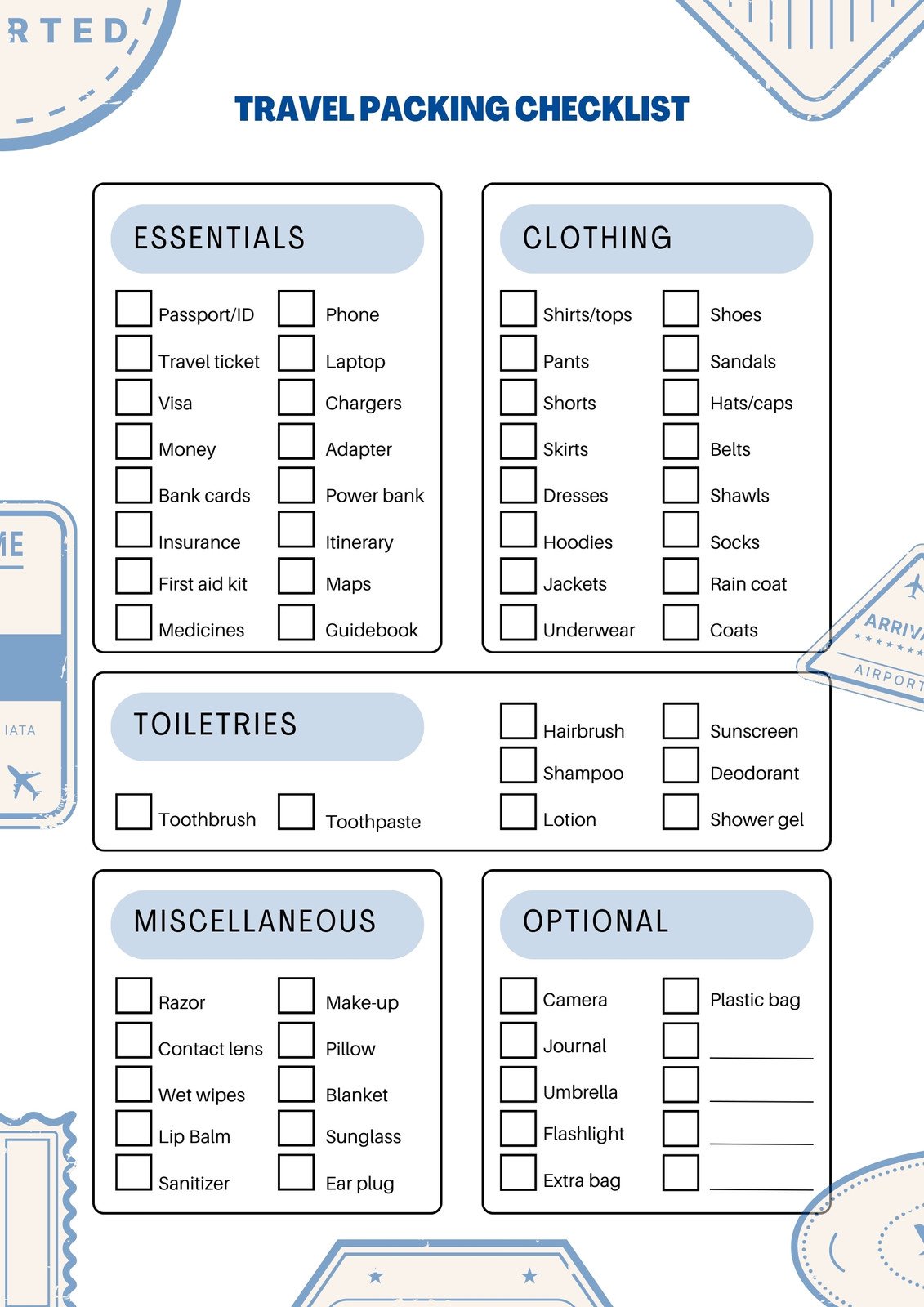
Strategic planning reduces uncertainty—the core driver of travel anxiety. Over-preparation might seem counterproductive, but systematic organization actually creates the safety net your nervous system craves.
Build Your Day-by-Day Travel Blueprint
Create detailed itineraries including:
– Transportation times with 30-minute buffers between activities
– Accommodation addresses with backup options written down
– Restaurant locations meeting dietary needs
– Activity confirmations with reference numbers
– Emergency contact information for each location
This comprehensive planning reduces decision fatigue during travel, freeing mental energy for enjoyment rather than constant problem-solving. The key is specificity—vague plans like “explore city” create more anxiety than concrete plans like “visit Louvre Museum, entrance at 10 AM, meet guide at main entrance.”
Organize Critical Documents in Three Layers
Implement this failsafe system:
1. Physical copies: Passport, visa, insurance in separate locations from originals
2. Digital backups: Cloud storage with offline access enabled
3. Emergency contacts: Written in multiple places with international dialing codes
Never rely on a single document source. Store one set in your carry-on, another in checked luggage (if traveling with it), and a third with a trusted contact at home. This redundancy eliminates the panic of “what if I lose everything?”
Rewire Anxious Thoughts With Evidence-Based Techniques
Your brain’s catastrophizing isn’t reality—it’s anxiety talking. These mental techniques interrupt the worry spiral before it gains momentum, giving you back control.
Challenge Catastrophic Thinking in Real-Time
When “what if” thoughts appear, ask these specific questions:
– “What evidence supports this fear?”
– “How many times has this actually happened?”
– “What would I tell a friend with this worry?”
– “What specific steps would handle this problem?”
This cognitive restructuring creates space between thought and reaction, allowing you to respond rather than react. Most anxious travelers discover their worst fears have extremely low probability—focusing on actual statistics (like flight safety records) provides immediate perspective.
Schedule Your Worry Time Strategically
Designate one 15-minute “worry window” daily during preparation. When anxious thoughts appear outside this time, jot them down for later review. This simple containment strategy prevents all-day anxiety spirals while still honoring your concerns. During your scheduled worry time, assess each item: is it actionable? If so, add it to your itinerary; if not, consciously release it.
Master Instant Calm Techniques for Transit
When anxiety hits mid-journey, you need tools that work immediately without special equipment. These techniques can be used discreetly anywhere—airports, planes, or unfamiliar streets.
Implement the 4-7-8 Breathing Method
Inhale through your nose for 4 counts, hold for 7 counts, exhale through your mouth for 8 counts. Repeat 3-4 cycles during panic moments to activate your body’s relaxation response within minutes. This technique works because the extended exhale triggers your parasympathetic nervous system—the exact opposite of anxiety’s fight-or-flight response.
Use the 5-4-3-2-1 Grounding Exercise
Name 5 things you see, 4 you can touch, 3 you hear, 2 you smell, and 1 you taste. This anchors you to present reality instead of future worries. Practice this technique in low-stress environments first so it becomes automatic during high-anxiety moments. The physical engagement disrupts the anxiety cycle by redirecting neural pathways.
Navigate Airports With Confidence-Boosting Strategies
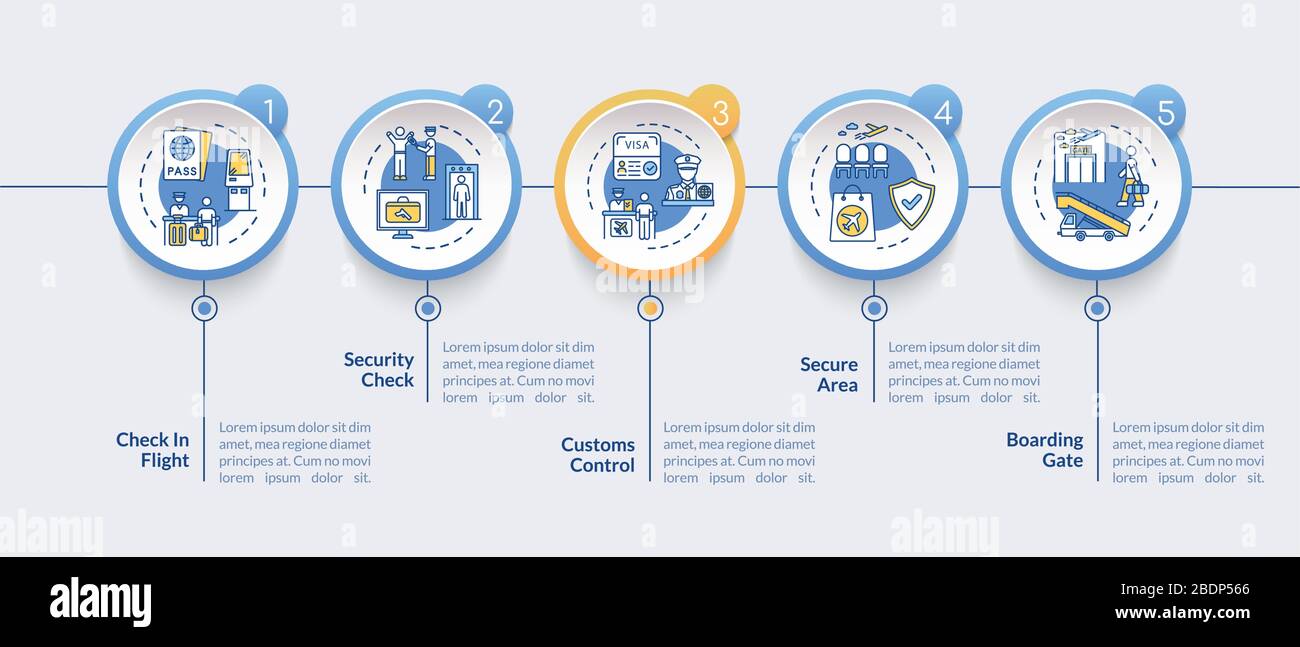
Airports trigger anxiety through crowds, security, and time pressure. Master these specific strategies to stay calm throughout your journey, transforming stressful transitions into manageable processes.
Optimize Security Checkpoint Success
- Arrive 2-3 hours early for international flights (90 minutes domestic)
- Wear slip-on shoes and minimal jewelry to expedite screening
- Pack electronics in easily accessible spots with dedicated compartments
- Practice deep breathing while waiting in line
TSA PreCheck or Global Entry reduces anxiety by 40% according to frequent travelers. The reduced wait times and simplified procedures create a more predictable, less overwhelming experience. If you fly regularly, this small investment pays significant anxiety-reduction dividends.
Handle Turbulence With Scientific Understanding
Remember: planes are engineered to withstand extreme turbulence—what feels like dramatic movement is actually within safe parameters. Think of the aircraft as a boat on waves, not a falling object. During turbulence, focus on flight attendants’ behavior; if they’re continuing service, the turbulence is moderate and safe. Track your flight path on the entertainment system to contextualize bumps as normal atmospheric conditions.
Essential Apps That Reduce Travel Anxiety
Your smartphone can become your anxiety-fighting companion. These apps provide real-time support exactly when you need it most, putting professional-caliber tools in your pocket.
Download These Anxiety-Reducing Apps Before Travel
- Calm: Travel-specific meditations and sleep stories for unfamiliar environments
- Headspace: SOS sessions designed for panic moments (download offline)
- Google Translate: Camera translation for instant menu and sign comprehension
- Maps.me: Offline maps that work when WiFi fails
Pre-download all content before departure—relying on airport WiFi creates additional stress. Create a dedicated “travel anxiety” folder on your home screen for immediate access during high-stress moments. These tools provide concrete solutions to common anxiety triggers like communication barriers and navigation uncertainty.
Build Long-Term Confidence Through Gradual Exposure

Confidence comes from successful experiences, not wishful thinking. This progressive program builds travel skills systematically, creating tangible proof of your capability with each step.
Start With Local Exploration (Weeks 1-2)
Visit new neighborhoods within 30 minutes of home. Practice using different transportation methods without GPS. Dine alone at unfamiliar restaurants. Document positive experiences in a travel journal after each outing. This builds foundational skills while minimizing risk—your brain learns through repeated success that uncertainty doesn’t equal danger.
Progress to Weekend Getaways (Months 2-3)
Plan 2-3 day trips within a 3-hour radius. Book accommodations independently. Handle minor challenges like weather changes using your new coping strategies. Celebrate each successful navigation—these small wins rewire your brain’s association between travel and anxiety. After three successful weekend trips, your confidence will significantly increase for longer journeys.
Transform Anxiety Into Adventure Through Mindset Shifts
Your relationship with travel anxiety can evolve from adversary to teacher. Each successful trip builds resilience and rewrites your travel narrative, creating a new identity as someone who travels despite anxiety.
Track Your Progress With a Travel Journal
After each journey, document:
– Anxiety triggers that actually occurred (versus feared)
– Coping strategies that worked best for your specific symptoms
– Unexpected positive experiences that exceeded expectations
– Skills you’ve developed through navigating challenges
This documentation provides concrete evidence of progress during future anxious moments. When panic strikes, reviewing past successes reminds you “I’ve handled this before—I can do it again.”
Implement Your Personalized Anxiety Combat Plan
Start with one strategy from this guide—don’t try to implement everything at once. Choose the technique that resonates most with your specific anxiety pattern. Practice it during a low-stakes situation, like planning a local day trip, before applying it to international travel. Remember: travel anxiety doesn’t define you. It’s simply one aspect of your travel experience that you’re learning to manage. With consistent practice of these proven strategies for how to combat travel anxiety, you’ll transform from someone who dreads travel into someone who embraces the adventure—even when anxiety occasionally tags along. The world is waiting for you. Take that first step today.