

You’re standing in the security line, feet aching from uncomfortable shoes, shivering in the icy airplane cabin after sweating through a sweltering airport terminal. If this sounds familiar, you’ve fallen victim to one of travel’s most common pitfalls: poor air travel dressing strategy. The question of how to dress for air travel isn’t about choosing between comfort and style—it’s about mastering a strategic system that handles security checkpoints, cramped seats, and temperature extremes while keeping you looking fresh upon arrival.
This guide reveals exactly what to wear, what to avoid, and how to build a travel wardrobe that works as hard as you do. You’ll discover how to breeze through security, stay comfortable during long flights, and step off the plane looking polished—without packing an entire suitcase of clothes. The right outfit strategy transforms your travel experience from stressful to seamless.
Master the Layering Game for Changing Temperatures

Build Your Three-Layer System That Works
Smart layering isn’t about piling on random clothes—it’s creating a modular system that adapts to every travel scenario. Start with a base layer that feels like a second skin, using moisture-wicking fabrics that keep you dry when stress kicks in or cabin temperatures fluctuate unexpectedly. Pro tip: Choose merino wool or bamboo blends for your base layer—they naturally regulate temperature, resist odor for days, and feel comfortable against your skin for hours.
Your middle layer should be a lightweight cardigan or quarter-zip fleece that adds warmth without bulk. This layer is your temperature control switch—easy to add when the plane turns into a freezer or remove when airport terminals feel like saunas. For your outer layer, select something you can wear through security without hassle, like a soft-shell jacket with multiple pockets for your essentials. This system takes just 60 seconds to adjust as environments change.
Temperature Control Secrets for Airport to Aircraft
Airport terminals often feel like tropical rainforests while airplane cabins resemble Arctic research stations. Combat this whiplash with pieces you can add or remove in seconds. A packable down jacket that stuffs into its own pocket transforms from bulky to invisible in moments, while a wrinkle-resistant blazer keeps you looking sharp for business meetings without adding weight to your luggage.
Critical mistake to avoid: Wearing your warmest layer through the security line. You’ll overheat while waiting in line, sweat through your shirt, then freeze on the plane. Instead, carry your warm layer in your bag and put it on after security when you’re seated.
Choose Perfect Travel Fabrics That Work Overtime

Performance Fabric Must-Haves for All-Day Wear
Not all fabrics are created equal for travel. Seek out technical materials labeled as “travel,” “performance,” or “easy care.” These fabrics incorporate stretch for movement, resist wrinkles from hours of sitting, and bounce back from spills or creases. Merino wool deserves special mention—it’s naturally odor-resistant, temperature-regulating, and looks polished enough for dinner reservations.
Warning: Avoid 100% cotton, which wrinkles easily and stays damp if you spill your in-flight beverage. Synthetic blends like nylon-spandex combinations offer similar benefits to merino at lower price points. When shopping, look for fabric tags mentioning “four-way stretch,” “moisture-wicking,” or “odor control.”
Wrinkle-Resistant Champions That Look Fresh After Hours
Ponte knit pants, technical wool trousers, and performance button-downs maintain crisp appearances despite being stuffed in overhead bins. These fabrics release wrinkles with body heat, meaning you’ll look fresh even after a red-eye flight. Dark colors hide inevitable travel stains better than light shades—navy, charcoal, and forest green are your best friends.
Pro tip: Test any new travel clothing by sitting in it for 30 minutes before your trip. If it creases badly or feels restrictive, it’s not travel-ready. Quality travel fabrics should recover their shape within minutes of standing up.
Lower Body Solutions That Balance Comfort and Professionalism
Pants That Move With You Without Looking Sloppy
Traditional jeans fail the travel comfort test with thick seams and zero stretch. Instead, reach for ponte knit pants or technical trousers with hidden elastic waistbands that accommodate the natural swelling that occurs at altitude. These maintain a tailored appearance while feeling like pajamas—perfect for business travelers who need to look sharp upon arrival.
Athleisure pants designed for travel blur the line between comfort and acceptability. Look for joggers in technical fabrics that feature tapered legs and professional styling. For women, ponte knit leggings paired with longer tops create comfortable yet appropriate travel outfits that work for both business and leisure trips.
Stretch Waistband Benefits You Can’t See but Will Feel
Partial elastic panels or hidden stretch waistbands expand up to two inches, preventing that uncomfortable digging feeling during long flights. These features remain invisible from the outside while providing crucial comfort for hours of sitting. Important: When trying on travel pants, sit down and simulate eating a meal—your waistband shouldn’t dig in or roll down.
Footwear Fundamentals That Speed Up Security and Comfort Your Feet
Security Line Champions That Save You Time and Embarrassment
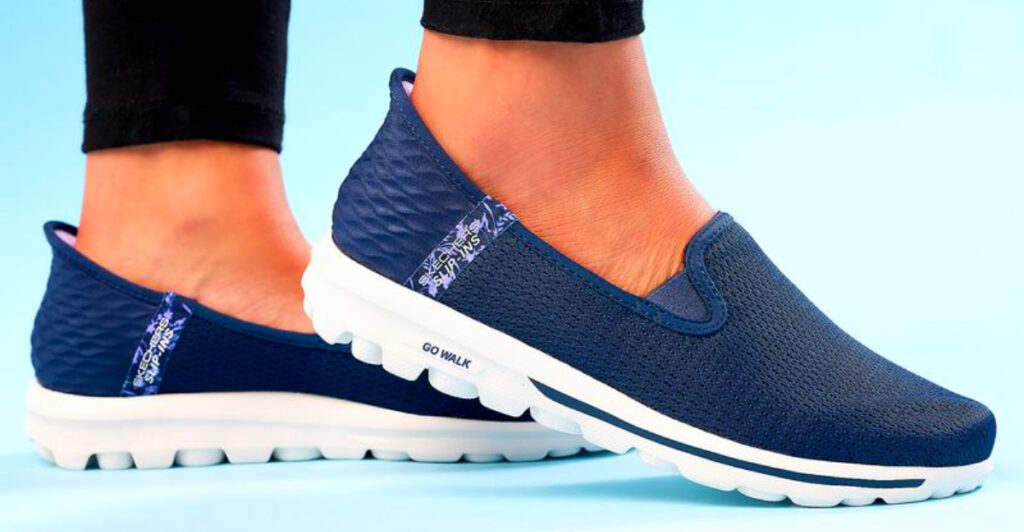
Slip-on shoes transform security screening from awkward hopping to smooth sailing. Loafers, ankle boots with side zippers, or sleek sneakers without laces speed up the process significantly. Ensure your shoes can be removed hands-free while balancing your belongings—nothing worse than dropping your boarding pass while hopping on one foot.
Critical mistake: Wearing new shoes on travel days. Foot swelling during flights can turn comfortable new shoes into blister factories within hours. Break them in thoroughly before your trip, or stick with well-worn favorites that have proven their travel-worthiness.
Comfort Meets Style for Terminal Trekking
Choose footwear with adequate arch support and cushioning for terminal trekking—many airports require 1-2 miles of walking before you even board. Compression socks paired with supportive sneakers prevent swelling and fatigue. Consider packing foldable ballet flats or compact slippers for long-haul flights when you want to kick off your shoes.
Accessory Optimization That Prevents Security Delays
Jewelry Minimalism That Speeds Up Security Screening
Metal jewelry triggers security alarms and creates delays. Replace your daily pieces with silicone wedding bands, fabric belts, and plastic-framed glasses for travel days. Store valuables in your carry-on rather than wearing them through screening. Travel-specific accessories like money belts or neck wallets keep essentials secure without triggering metal detectors.
Pro tip: Before heading to the airport, do a “metal check” by running your hands over your outfit. If you feel any metal beyond basic zippers, consider removing or replacing those items.
Special Travel Scenarios That Demand Specific Strategies
Business Travel Hacks That Keep You Looking Professional
Maintain professional appearance with wrinkle-resistant suiting in performance fabrics. Pack dress shoes in your carry-on and change upon arrival. Consider separates rather than full suits for mixing and matching across multiple days. A wrinkle-release spray in your toiletry bag can revive a slightly creased shirt in minutes.
Long-Haul Comfort Tactics for Flights Over 8 Hours
Flights over 8 hours demand comfort prioritization. Pack compression socks, loose-fitting change of clothes, and slippers in your personal item. Bring a complete outfit change for arrival refreshment, especially for international travel where you might have meetings immediately after landing. Dark, wrinkle-resistant fabrics make you look refreshed even if you’ve been sleeping for hours.
Packing Smart Strategies That Prevent Wardrobe Emergencies
Carry-On Clothing Essentials You Should Never Leave Home Without
Always pack one complete outfit change in your carry-on, including undergarments. Include a lightweight jacket regardless of destination climate for unpredictable airplane temperatures. Roll clothing instead of folding to minimize wrinkles and maximize space. A travel-sized stain remover pen can save your outfit after an in-flight coffee spill.
Pre-Travel Organization That Prevents Overpacking
Lay out complete outfits before packing to ensure compatibility and avoid overpacking. Create mix-and-match combinations using neutral colors that work for multiple scenarios. Test all outfits by sitting in them for 30 minutes to identify potential comfort issues before you’re stuck with them mid-flight.
Maintenance During Travel That Keeps You Looking Fresh
Quick Fixes on the Go That Save Your Outfit
Pack travel-sized stain removal pens and wrinkle-release spray for immediate touch-ups. Dark colors and patterns naturally camouflage minor stains between laundering opportunities. Choose fabrics that air-dry overnight if hand washing becomes necessary—merino wool and technical synthetics excel at this.
Odor Management That Extends Wearability
Merino wool and silver-infused synthetics resist odor, allowing multiple wears without washing. Pack fabric refresher spray or individual dryer sheets for quick clothing revival. Plan outfit rotation to let items air out between wears—this simple strategy can cut your packing by 30% on multi-day trips.
Future-Proof Your Travel Wardrobe With Smart Choices
Emerging Innovations That Solve Common Travel Problems
Smart fabrics incorporating temperature regulation and biometric monitoring represent the next frontier in travel clothing. Modular pieces that transform for different climates—like zip-off sleeves or reversible items—adapt to changing requirements without additional packing. Sustainable options using recycled materials now offer performance equal to traditional technical fabrics.
Build your travel wardrobe gradually, starting with versatile pieces that work across multiple scenarios. Focus on neutral colors and classic styles that won’t look dated next season. Quality travel clothing often costs more upfront but provides superior comfort and longevity compared to cheaper alternatives—making it a smart investment for frequent flyers.
Transform your next flight from a clothing catastrophe into a comfortable, stylish experience. Start with these fundamentals: choose performance fabrics, master strategic layering, and prioritize comfort without sacrificing appearance. Your future self—stepping off the plane wrinkle-free and ready for anything—will thank you. The secret to how to dress for air travel isn’t complicated; it’s about making smart, intentional choices that work with the realities of modern air travel rather than against them.