
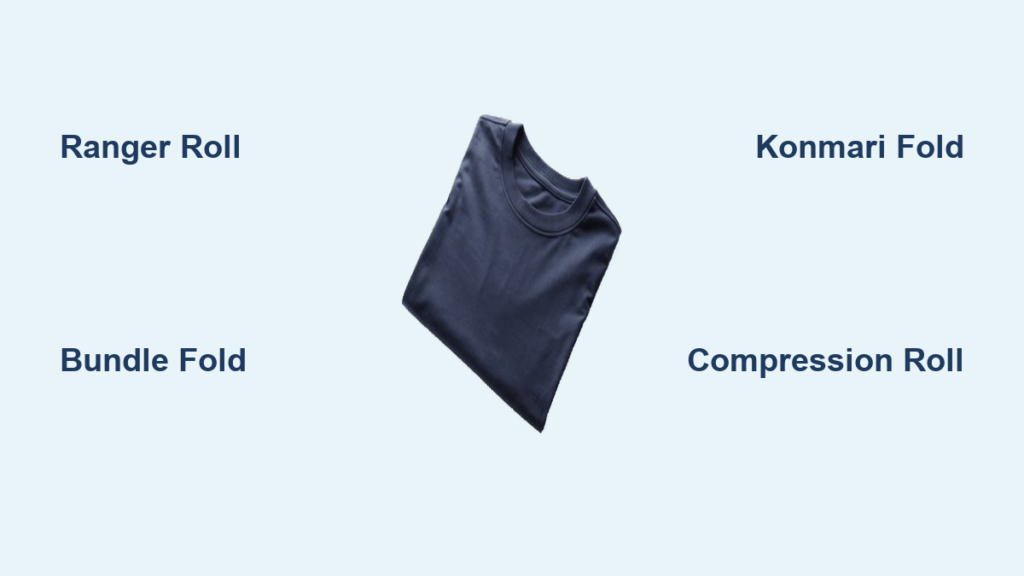
Your suitcase shouldn’t look like a laundry explosion when you arrive at your destination. Mastering how to fold t shirts for travel solves the universal packing dilemma: fitting more clothes while keeping them wrinkle-free. Whether you’re stuffing a backpack for a weekend hike or packing a suitcase for a business trip, these techniques transform disorganized piles into neatly arranged, space-maximizing bundles. You’ll discover military-tested methods that keep shirts secure during transit and minimalist approaches that let you see every option without disrupting your entire packing system.
Forget wasting time ironing at your destination or struggling to close an overstuffed bag. These proven techniques work with any luggage type and require zero special equipment. By the end of this guide, you’ll know exactly which folding method to use based on your trip type, fabric composition, and space constraints—saving you valuable suitcase real estate and hours of repacking frustration.
Ranger Roll Method: Military Precision Folding
The ranger roll creates compact, self-contained bundles that won’t unravel when jostled in transit. Originally developed by soldiers who needed reliable gear organization during missions, this technique turns your t-shirts into cylindrical shapes that stack perfectly in any luggage compartment.
Prepare Your Shirt Surface
Lay your t-shirt face-down on a flat surface like your bed or hotel table. Smooth the fabric from the center outward using your palms, eliminating every visible wrinkle. This critical 10-second step prevents creases from setting during travel. Never skip this smoothing step—starting with a perfectly flat shirt creates the foundation for a tight, uniform roll that maintains its shape.
Create the Locking Cuff
Fold the bottom hem upward 2-3 inches to form a thick cuff. This cuff becomes the anchor that keeps your roll secure—skip this step and your shirts will unravel like cheap party streamers. For slippery fabrics like polyester blends, make the cuff slightly deeper (3-4 inches) to ensure it grips the rolled fabric effectively during transit.
Fold and Roll Tightly
Bring the right sleeve and side to the shirt’s center, then overlap with the left side to create a long rectangle. Starting at the collar, roll downward as tightly as possible. When you reach the cuff, stretch it around the entire roll to lock everything in place. Pro tip: The tighter your roll, the more space you save—practice with older shirts first to develop muscle memory. Cotton stretches slightly, making perfect rolls easier with practice.
Bundle Fold: Wrinkle-Free Rectangles for Business Travel

When presentation matters more than maximum compression, the bundle fold delivers crisp, flat rectangles that stack like playing cards. This method works especially well for business travel where you need your shirts meeting-ready upon arrival with minimal ironing.
Build the Foundation
Start with your t-shirt face-down and smooth completely. Fold it in half vertically, right side meeting left, ensuring the shoulder seams align perfectly. Tuck the sleeves straight back so they align with the side seams—think of creating a perfect long rectangle without any bulges. This alignment prevents uneven pressure points that cause deep creases during transit.
Create the Triple Fold
Fold the bottom third up toward the collar, then fold the top third down over it. This creates three even layers that distribute pressure evenly across the fabric, preventing deep creases at single fold points. Unlike traditional folding that creates one or two sharp creases, this triple-fold technique minimizes visible lines by spreading the stress across multiple gentle folds.
Final Compact Shape
The result is a 6×8 inch rectangle that slides perfectly into packing cubes or stacks neatly in drawers. Ten bundle-folded shirts create just 10 inches of stacked height—ideal for carry-on luggage where vertical space is limited. These rectangles maintain their shape better than rolls when packed tightly, making them perfect for suitcases with rigid compartments.
KonMari Vertical Fold: Instant Visibility in Your Luggage
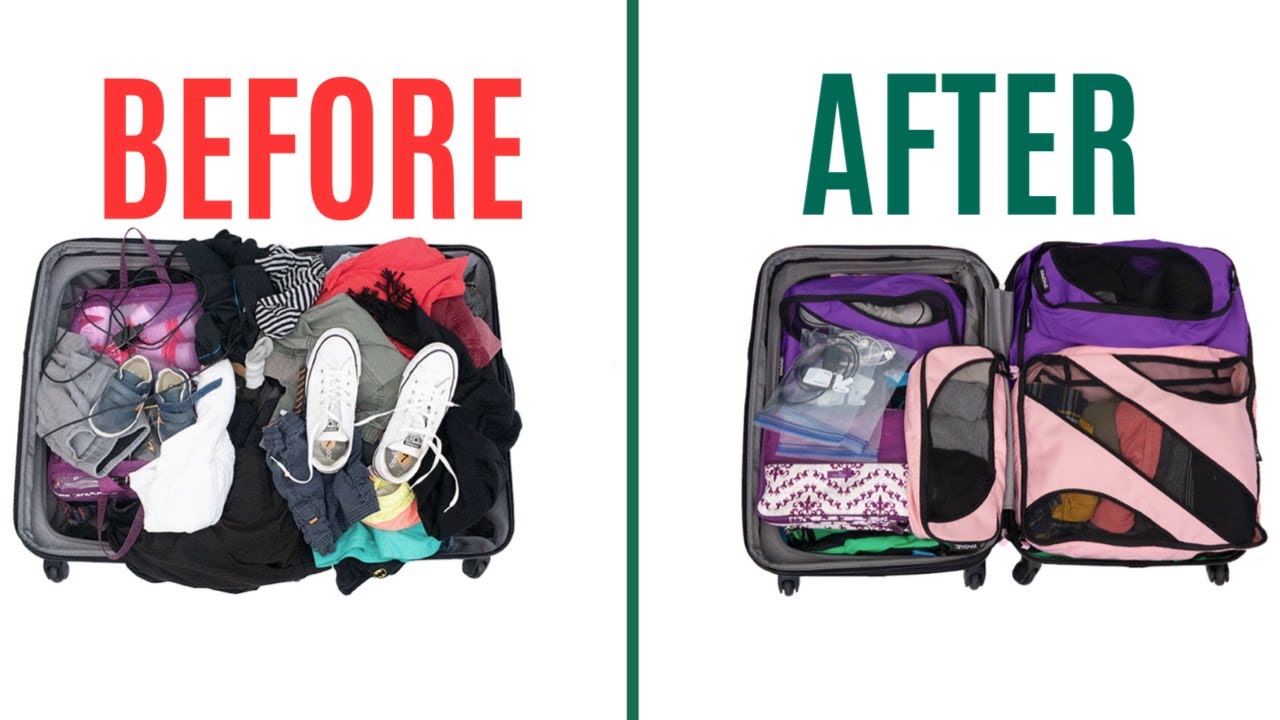
Marie Kondo’s vertical method revolutionizes luggage organization by letting you see every shirt without disrupting the entire stack. Your t-shirts stand upright like files in a drawer, making outfit selection effortless even when sharing luggage with travel companions.
Fold Into Standing Position
Lay your shirt face-up and fold in half vertically. Fold the sleeves inward, then fold the rectangle in half horizontally. Finally, fold into thirds vertically, creating a standing rectangle that balances on its own. Critical detail: The final fold must be precise—if your shirt won’t stand, adjust the vertical thirds until it balances perfectly. This stability prevents shirts from toppling during transit.
Organize Like Files
Place your shirts vertically in packing cubes or luggage compartments with folded edges facing up. Each shirt remains visible and accessible—no more digging through stacks to find the one you want. This method shines for family trips where multiple people share luggage space, eliminating the “where’s my shirt?” frustration that plagues group travel.
Advanced Compression Techniques for Maximum Space Savings
Compression Rolling Strategy
Take your ranger rolls to the next level with compression cubes. After rolling your shirts using the military method, place them in compression packing cubes and use the built-in mechanism to remove excess air. This achieves 50-70% space reduction compared to loose folding, effectively doubling your packing capacity. Materials needed: Compression cubes or heavy-duty zip-top bags. Time investment: Adds just 2 minutes per cube but saves hours of repacking later when you need to retrieve a single shirt.
Gap-Filling Rolls
Use ranger rolls to fill every dead space in your luggage. Slide rolls into corners, between shoe soles, and around fragile items. These flexible cylinders become protective padding while maximizing every cubic inch of space. Pro tip: Pack your most-worn shirts in easily accessible gap spaces while reserving compression cubes for less frequently used items.
Fabric-Specific Folding Guide for Perfect Results
Cotton T-Shirts: Universal Compatibility
Cotton handles any folding method beautifully. For maximum wrinkle resistance, use the ranger roll. Pre-wash and completely dry shirts before packing—damp cotton creates mildew and permanent creases during transit. Warning: Never pack cotton shirts that feel even slightly damp, as humidity in luggage creates ideal mildew conditions within 24 hours.
Performance Synthetics: Handle With Care
Moisture-wicking fabrics stretch when rolled tightly. Use the bundle fold instead, keeping folds loose to preserve the fabric’s shape memory. These materials benefit from compression packing to prevent shifting that causes weird wrinkles. Expert note: For technical fabrics, avoid sharp creases—gentle folding preserves the garment’s performance properties longer.
Graphic Tees: Protect the Print
Turn graphic shirts inside-out before folding to protect the design. The bundle fold works best for preserving print integrity—tight rolling can crack screen-printed designs over time. Place these shirts on top of your bundle stack to minimize pressure on the printed area during transit.
Troubleshooting Common Folding Failures During Travel
Preventing Unraveling Rolls
If ranger rolls come undone in transit, your cuff isn’t secure enough. Create a deeper cuff (3-4 inches instead of 2) and stretch it more aggressively around the roll. For slippery synthetic fabrics, add a small rubber band around the cuff for extra security—just remember to pack a few extras in your toiletries bag.
Eliminating Persistent Wrinkles
Increase folding precision—crooked folds create pressure points that become deep creases. Place tissue paper between fold layers for delicate fabrics. A light spray of starch on cotton shirts before folding adds wrinkle resistance that lasts the entire trip. Pro tip: Roll shirts immediately after ironing while they’re still slightly warm for maximum wrinkle prevention.
Fixing Bulky, Uneven Rolls
Uneven rolls usually result from inconsistent folding. Ensure your initial vertical thirds are perfectly even. For thick materials like sweatshirts, use the flip-and-fold method instead of rolling to maintain consistent thickness throughout your bundle.
Quick Reference: Choose Your Folding Method by Travel Scenario
Business Travel: Bundle fold keeps shirts presentation-ready with minimal creasing
Backpacking: Ranger roll maximizes space in limited compartments
Family Trips: KonMari method lets everyone find their shirts quickly
Beach Vacation: Compression rolling separates wet and dirty clothes effectively
Time Investment Per Shirt
- Ranger roll: 30-45 seconds (worth every second for space savings)
- Bundle fold: 20-30 seconds (ideal for quick business packing)
- KonMari method: 15-25 seconds (after practice)
Expert note: The 10 minutes you spend folding properly saves 30 minutes of ironing or steaming later—time better spent enjoying your trip.
Maintenance During Extended Travel
Daily Wardrobe Refresh
Unpack shirts immediately upon arrival and hang them for air circulation. This simple 5-minute ritual prevents permanent creasing and keeps fabrics fresh. For multi-week trips, rotate which shirts stay folded to distribute pressure points evenly across your wardrobe.
Managing Clean vs Dirty
Re-roll worn shirts using the ranger method, but store them in separate packing cubes or plastic bags. This creates a natural laundry system and prevents odors from migrating to clean clothes. Consider packing a small spray bottle with wrinkle-release spray for quick touch-ups between destinations.
Master these folding techniques once, and you’ll never struggle with overpacked, wrinkled luggage again. Start with the ranger roll for your next trip—it’s forgiving for beginners and delivers immediate space savings. As you gain confidence, experiment with bundle folds for dress shirts and KonMari organization for family travel. Your future self will thank you when unpacking takes minutes, not hours, and every shirt looks like it came straight from your closet at home.