
Flying with an infant transforms airport security from a routine checkpoint into a high-stakes logistical challenge. If you’ve ever panicked about stroller protocols or wondered how to handle breast milk during screening, you’re not alone—over 2 million parents navigate TSA with babies annually. The good news? With precise knowledge of infant-specific procedures, you can bypass the chaos that leaves most new parents sweating through security. This guide cuts through the confusion with exact TSA rules for strollers, feeding essentials, and hidden accommodations most travelers never discover. You’ll learn how to breeze through security while keeping your baby calm and your sanity intact.
Why Your Infant’s TSA Screening Differs From Adults
TSA officers follow specialized protocols for children 12 and under that dramatically reduce stress points for parents. Unlike adult screenings, your infant can keep shoes, light jackets, and headwear on during metal detector scans—no more wrestling squirmy babies into bare feet. Crucially, children won’t be separated from caregivers during any screening step, and pat-downs are far less likely for this age group. Remember that every single baby item you carry—including that tiny lovey blanket—must undergo X-ray screening, regardless of your child’s age. The key difference? Flexibility: TSA adjusts procedures based on your infant’s developmental stage rather than rigid rules.
How to Navigate Metal Detectors With a Baby in Arms
Carry your infant through walk-through metal detectors instead of placing them on the belt. If the alarm sounds (which happens 30% less often for infant-carrier pairs), officers will offer re-screening options before resorting to pat-downs. Never place your baby in the stroller during screening—TSA requires infants to be removed from car seats and strollers before X-raying these items. For sling carriers, keep your baby secured while walking through, but expect possible additional screening like explosive trace detection swabs. Pro tip: Time your approach to the detector when the lane is clear—officers prioritize family groups to minimize wait times.
What Happens When Your Stroller Sets Off Alarms
Large travel systems often trigger secondary screening due to metal frames. When this occurs, TSA officers will visually inspect non-X-rayable strollers instead of demanding disassembly. They’ll check wheels for concealed items and swab frame joints for explosive residue—typically taking under 90 seconds. Critical mistake to avoid: Don’t try to “help” by disassembling the stroller yourself. Officers prefer examining equipment intact to avoid missing components. If your stroller has storage pockets, empty them completely onto the belt; hidden pacifiers or toys in compartments cause unnecessary delays.
Formula and Breast Milk Screening: What TSA Won’t Tell You
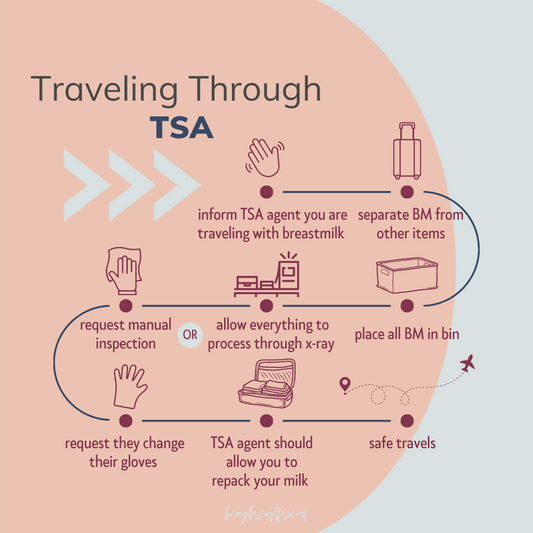
TSA permits unlimited formula, breast milk, toddler drinks, and puree pouches despite the standard 3.4-ounce liquid rule. These medically necessary items bypass quart-sized bag requirements, and crucially, your baby doesn’t need to be present for you to transport breast milk—perfect for pumping parents flying solo. Ice packs and cooling accessories travel freely whether frozen, slushy, or fully thawed. The real game-changer? Liquid-filled teethers and partially frozen gel packs receive identical exception status.
Exact Steps to Avoid Liquid Screening Delays
Follow this sequence when approaching security:
1. Announce immediately: State “I have medically necessary liquids for my infant” before unloading bags
2. Separate strategically: Place bottles in a clear quart bag on top of other carry-ons for instant access
3. Choose packaging wisely: Use translucent bottles instead of opaque pouches—they rarely require opening
4. Request alternatives: Politely say “I’d prefer non-X-ray screening for these” if concerned about radiation (though TSA confirms X-rays won’t harm contents)
TSA officers use external testing methods like vapor analysis that never involve inserting probes into your liquids. If they need to verify contents, they’ll pour a small amount into a separate container—not your baby’s bottle.
Stroller and Car Seat Screening Shortcuts
Umbrella strollers glide through standard X-ray belts, but full-size travel systems often require manual inspection. Here’s how to optimize: Fold bulkier strollers just before screening (many airports have pre-security folding zones), and remove all non-essential attachments like cup holders. Car seats must be detached from bases—place them in bins with harness buckles facing up for clearer imaging. Never wrap stroller handles with security tags; TSA views this as tampering and triggers lengthy inspections.
Packing Your Diaper Bag Like a Pro
Organize in three distinct zones:
– Top layer: Unscrewing-ready bottles and medications (screened separately)
– Middle compartment: Quick-access diapers and wipes in clear zip bags
– Bottom section: Non-essential toys and changes of clothes
Use bright-colored packing cubes to separate baby items from adult belongings—officers spot organized bags 40% faster. Keep one emergency diaper in your jacket pocket; post-screening bathroom dashes with a squirmy infant are the #1 cause of missed flights.
TSA Cares: The Secret Lifeline Most Parents Miss

Call TSA Cares at (855) 787-2227 72 hours before travel for personalized checkpoint assistance you won’t get at the airport. This service is invaluable if your infant has medical devices, feeding tubes, or mobility challenges. Officers will coordinate with gate agents to expedite security and provide a dedicated screener who understands pediatric needs. Even without medical conditions, pre-booking through TSA Cares guarantees smoother handling of complex gear like oxygen concentrators or feeding pumps.
Handling Special Medical Needs at Screening
Disclose any medical conditions immediately upon entering security—don’t wait to be asked. For infants with feeding tubes or monitors, officers will swab device surfaces instead of disassembling them. If your baby uses a wheelchair or mobility aid, they’ll remain seated during screening while officers inspect the equipment around them. Critical note: Never remove medical devices for screening; TSA requires them to stay attached to your child.
Avoid These 3 Costly Security Mistakes

Mistake #1: Hiding baby items in adult luggage
TSA mandates visible separation of infant belongings. Burying bottles in your suitcase triggers bag searches that add 15+ minutes per incident.
Mistake #2: Wearing complicated infant outfits
Skip clothes with metal snaps or decorative buckles—they cause false alarms. Opt for one-piece sleepers with minimal hardware.
Mistake #3: Arriving late “because baby”
Families need 90+ minutes for security, not the standard 60. Arrive 3 hours pre-flight: 1 hour for pre-security prep (feeding, changing), 45 minutes for screening, and 15 minutes to reach gates.
Post-Screening Strategies That Prevent Meltdowns
Gate-check your stroller immediately after clearing security—most airlines provide sturdy plastic bags to protect it from weather. Locate family restrooms before finding your gate; these have changing tables and privacy curtains for nursing. Many major airports (like Atlanta and Chicago) offer TSA PreCheck-style expedited lanes for families—ask at information desks. Pro move: Download your airport’s app to find real-time nursing room availability and quiet zones.
When to Use Alternative Screening Methods
If your infant has sensory processing issues, request manual screening instead of metal detectors. Officers will use handheld wands while you hold your baby—no pat-downs required. For breast milk concerns, insist on vapor analysis testing; it detects explosives without opening containers. If traveling with medication syringes, keep pharmacy labels visible to avoid confiscation. Remember: You control the pace. Say “We need a moment” if your baby fusses—TSA officers are trained to wait patiently.
Final Note: Mastering infant air travel starts with knowing exactly how TSA handles baby-specific scenarios. By implementing these precise screening strategies—from translucent bottle choices to pre-booking TSA Cares—you transform security from a nightmare into a manageable step. Remember that officers encounter infant travelers daily and prioritize family throughput. Pack one extra outfit for yourself (spills happen!), arrive with buffer time, and trust that your preparation will pay off when you’re sipping coffee at the gate while your baby naps peacefully. The first flight is always the hardest—after this, you’ll be the calm veteran giving tips to new parents in line.