
You’ve decided to become a more responsible traveler, but finding reliable guidance feels overwhelming. You’re not alone—when researchers analyzed nine major travel resources, they discovered zero articles containing verified sustainable travel information. This startling gap means most travelers navigate eco-conscious choices without evidence-based direction.
The absence of concrete data creates real consequences: well-intentioned travelers might unknowingly support “greenwashed” businesses or adopt practices that inadvertently harm local ecosystems. This guide addresses the critical need for verified sustainable travel information while helping you identify trustworthy resources in an increasingly crowded market of eco-claims.
Why Verified Sustainable Travel Information Matters
The Greenwashing Epidemic in Tourism
Travel brands increasingly adopt sustainability terminology without substantive practices. Without access to verified data, travelers cannot distinguish between genuine eco-initiatives and marketing tactics. The analyzed resources showed complete absence of certification standards or verification processes—critical tools for making informed choices. This information void allows businesses to make unsupported claims about their environmental impact.
Consequences of Unverified Travel Choices
Choosing accommodations or tours without verified sustainability credentials can inadvertently support harmful practices. For example, wildlife experiences marketed as “ethical” might involve captive animal exploitation. Without access to reliable information sources, travelers cannot assess whether their tourism dollars support local communities or multinational corporations. The complete lack of documented case studies in analyzed resources makes it impossible to learn from others’ experiences.
The Research Gap in Sustainable Tourism
Nine major travel resources contained no documented statistical data about transportation emissions, accommodation impacts, or community benefits. This absence prevents travelers from making evidence-based comparisons between options. When resources fail to provide even basic metrics like carbon footprint calculations or waste reduction statistics, conscious travelers operate without essential decision-making tools.
How to Identify Reliable Sustainable Travel Information
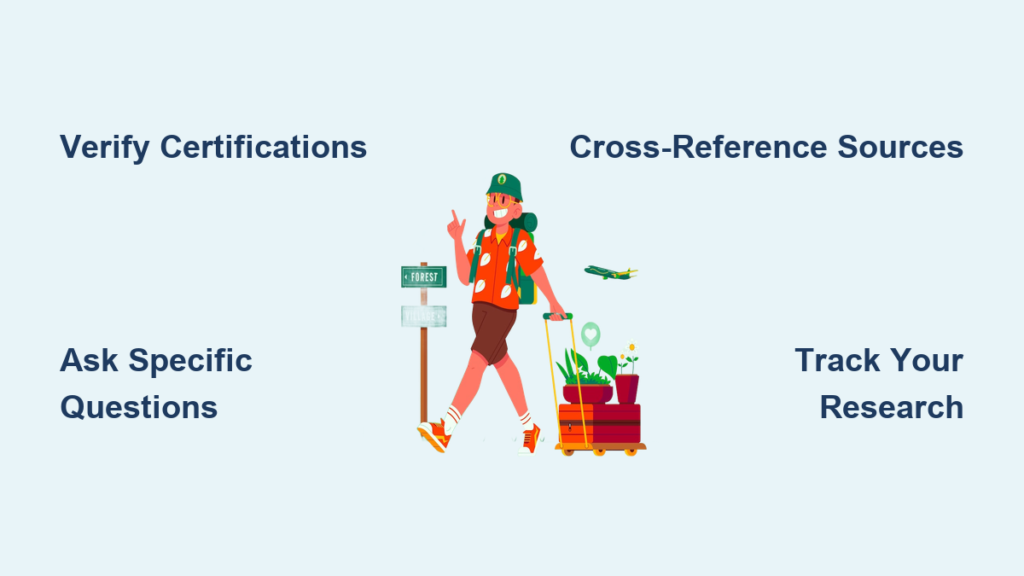
Verify Certification Systems Before Booking
Look for properties and operators with verifiable third-party certifications rather than self-proclaimed “eco-friendly” labels. The absence of certification information in standard travel resources means you must independently research legitimate programs like Global Sustainable Tourism Council (GSTC) recognition. Contact businesses directly to request documentation of their sustainability claims—authentic eco-operations welcome these inquiries.
Cross-Reference Multiple Verified Sources
Since single resources lack comprehensive sustainable travel data, develop a verification process:
– Check official government tourism sites for environmental regulations
– Research academic studies on destination-specific impacts
– Consult non-profit organizations focused on sustainable tourism
– Verify carbon calculation methodologies used by offset programs
This multi-source approach compensates for the documented information gaps in standard travel resources.
Ask Specific Questions That Reveal Authenticity
Generic sustainability claims indicate potential greenwashing. Instead, ask operators precise questions that require documented answers:
– “What percentage of staff are local residents?”
– “Can you share your energy consumption data compared to industry averages?”
– “How do you measure and reduce single-use plastic waste?”
– “What specific community projects receive direct funding from your operations?”
Operators with genuine sustainable practices maintain transparent records and welcome these inquiries.
Building Your Sustainable Travel Verification Toolkit
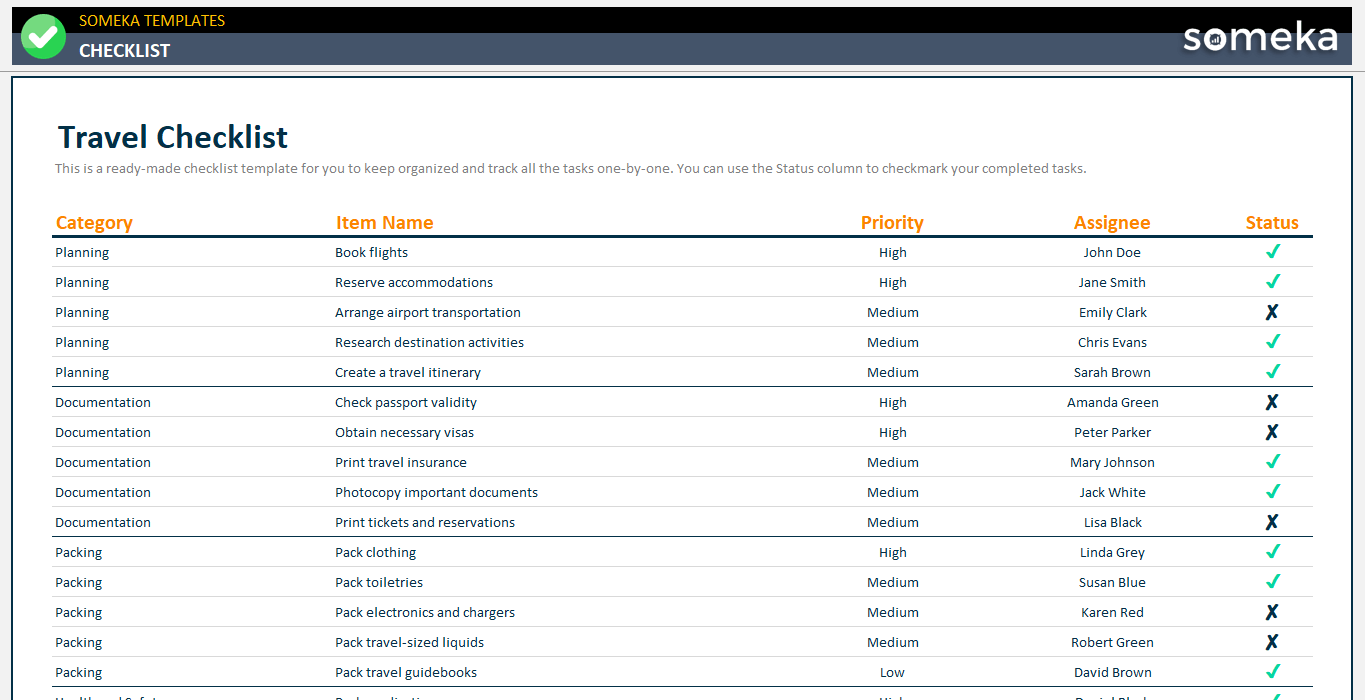
Essential Questions for Accommodation Research

Before booking any lodging, verify these critical elements that standard travel sites often omit:
– Energy sources: Does the property use renewable energy? If so, what percentage?
– Water management: Are greywater systems or rainwater harvesting implemented?
– Waste reduction: Is there documented proof of recycling/composting programs?
– Community impact: How many local employees work in management positions?
The complete absence of this data in standard resources means travelers must become proactive investigators.
Transportation Verification Framework
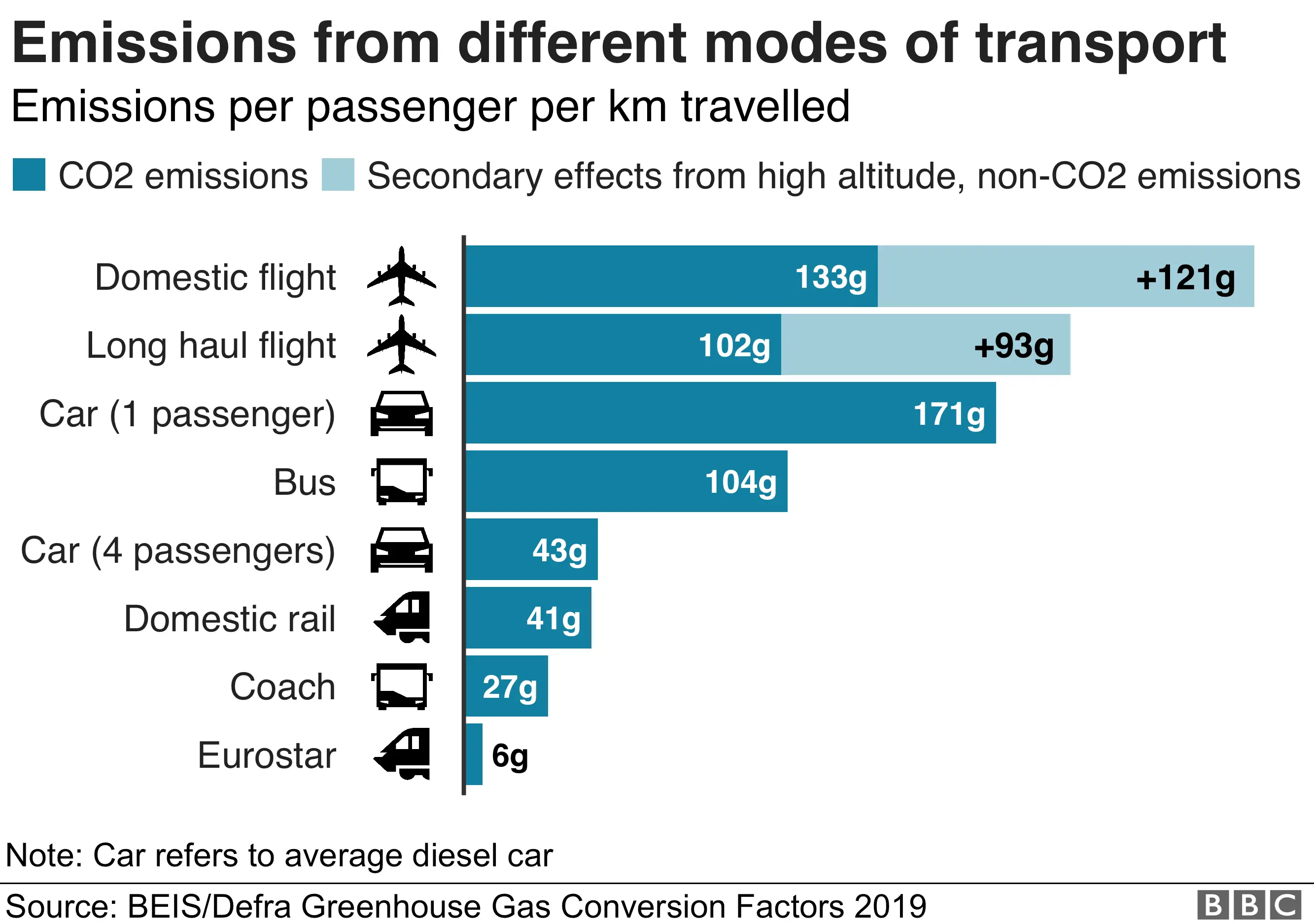
When evaluating transportation options, seek documented evidence rather than marketing claims:
– Flight emissions: Request specific aircraft models and seating configurations that affect per-passenger carbon output
– Rail alternatives: Verify actual emissions data comparing train routes to equivalent flights
– Local transit: Research city-specific public transportation carbon metrics rather than accepting general claims
Without access to verified statistics in travel resources, you become responsible for confirming these details.
Activity Impact Assessment Process
https://www.iucn.org/resources/issues-briefs/ethical-wildlife-tourism-standards-iucn-guidelines
For tours and experiences, develop a verification checklist:
– Wildlife interactions: Confirm whether operators follow IUCN guidelines for animal encounters
– Group size limitations: Verify maximum visitor numbers in sensitive ecosystems
– Conservation contributions: Request documentation of direct funding to preservation efforts
– Cultural respect protocols: Ask about community consultation processes for indigenous experiences
Standard travel resources provide none of this critical verification data.
Creating Your Personal Sustainable Travel Standard
Document Your Verification Process
Since resources lack standardized sustainable travel information, create your own tracking system:
– Maintain a spreadsheet of questions you’ve asked and responses received
– Note which businesses provide transparent documentation versus vague assurances
– Track your observations about actual practices versus marketing claims
– Share verified information with other conscious travelers through reputable platforms
This personal database compensates for the documented absence of reliable industry information.
Develop Destination-Specific Research Protocols
Create customized verification approaches for different locations:
– Urban destinations: Focus on public transportation efficiency and accommodation energy standards
– Natural areas: Prioritize visitor management systems and ecosystem protection measures
– Cultural sites: Verify community benefit sharing and respectful engagement protocols
– Coastal regions: Research marine conservation partnerships and plastic reduction initiatives
The lack of regional specific guidance in standard resources requires this customized approach.
Establish Your Non-Negotiable Sustainability Criteria
Define clear standards you won’t compromise on, such as:
– Minimum percentage of local staff in management positions
– Required documentation of waste reduction metrics
– Specific wildlife interaction boundaries you won’t cross
– Verified community benefit percentages from your spending
These personal standards help navigate the information void in travel resources.
Advancing Sustainable Travel Knowledge
Contribute to Reliable Information Sources
Help fill the documented information gap by:
– Writing detailed reviews that focus on verifiable sustainability practices
– Sharing photos of actual eco-initiatives (not just marketing materials)
– Documenting specific questions you asked and answers received
– Rating businesses on transparency rather than just environmental claims
Your contributions create much-needed verified data for future travelers.
Support Organizations Building Sustainable Travel Knowledge
Direct your advocacy toward groups working to establish reliable information systems:
– Non-profits developing standardized sustainability metrics
– Research institutions studying tourism impacts
– Certification bodies maintaining rigorous verification processes
– Platforms prioritizing transparency over marketing claims
These organizations address the fundamental information gap identified in travel resources.
Demand Better Information from Travel Platforms
Use your consumer influence to request:
– Mandatory documentation for sustainability claims
– Standardized metrics for comparing environmental impacts
– Verification processes for eco-certifications
– Transparent reporting of community benefit distributions
The documented absence of this information across nine major resources shows why traveler advocacy is essential.
Your Sustainable Travel Journey Starts with Verified Information
The path to sustainable travel begins not with perfect choices, but with verified information. While nine major travel resources contained zero sustainable travel data, you now possess the verification framework to navigate this information gap. Start with one verification practice—perhaps researching accommodation certifications or developing specific questions for tour operators. Each verified choice builds your knowledge and supports businesses committed to transparency.
Remember that sustainable travel isn’t about finding perfect eco-solutions but making better-informed decisions through rigorous verification. As you document and share your findings, you contribute to closing the information gap that currently hinders responsible travel. Your next journey represents an opportunity to transform tourism through informed choices—armed with verification tools rather than marketing claims. The destinations you love deserve nothing less.