
Your prized canvas painting survived the studio, the gallery opening, and years of admiration on your wall. But now you’re facing the ultimate test: getting it safely to your new home across the country, or perhaps to that dream exhibition overseas. Whether it’s a family heirloom or your latest masterpiece, the thought of your artwork bouncing around in cargo holds or vanishing into shipping limbo is enough to keep any artist or collector awake at night.
The good news? Thousands of paintings travel the globe every year without incident. The key lies not in luck, but in meticulous preparation and knowing exactly what to do at every stage of the journey. From assessing your artwork’s unique vulnerabilities to choosing between carry-on, checked baggage, or professional art transport, this guide walks you through every decision point that stands between your canvas and potential disaster.
Document Your Painting’s Condition Before Packing
Photograph Every Angle Under Bright Lighting
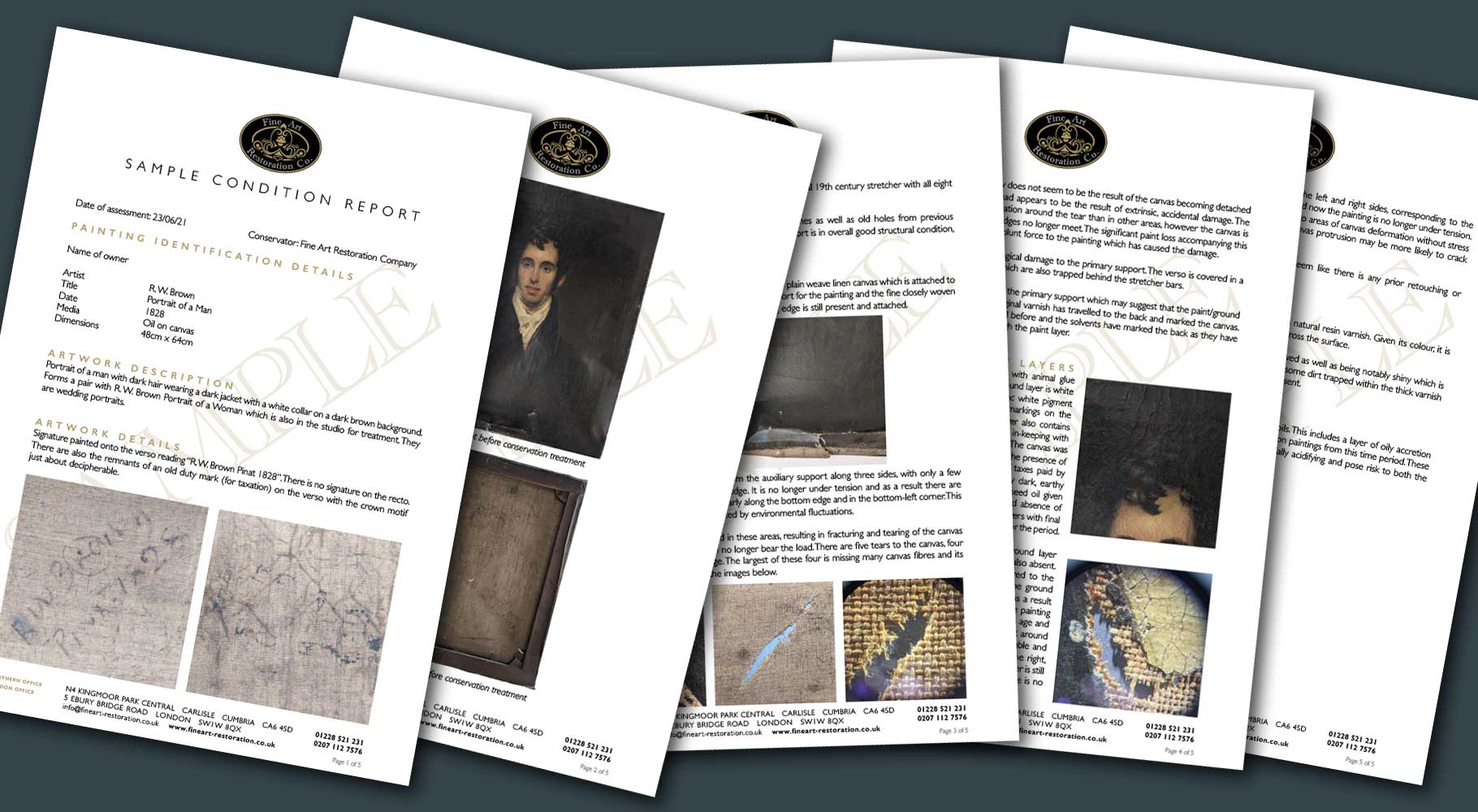
Start by becoming a detective examining your own artwork. Photograph every inch of your canvas painting with your smartphone under bright, even lighting—front, back, sides, and corners. These images become your insurance lifeline if something goes wrong during travel. Zoom in on any existing issues: hairline cracks in the paint, areas where the canvas seems loose, or frame joints that wiggle slightly. Even minor flaws can worsen during travel if left unaddressed.
Measure your piece precisely—height, width, and depth including the frame. Airlines and transport companies will ask for these numbers repeatedly. Weigh your painting while it’s still hanging; that ornate frame might add more pounds than you expect. Record the medium too—oil paintings handle differently than acrylics, and mixed media pieces with protruding elements need special consideration. This documentation takes just 15 minutes but could save you thousands in insurance claims.
Verify Insurance Coverage for Transit
Your homeowner’s insurance likely won’t cover artwork in transit. Contact your insurer about specialized art transport coverage that protects against damage, loss, and mysterious disappearance. Expect to pay 1-2% of your painting’s declared value for comprehensive protection. For pieces worth over $5,000, many insurers require a recent professional appraisal—factor this into your timeline as appraisers often book weeks in advance.
If traveling internationally, research your destination’s customs requirements now. Some countries classify certain artwork as cultural property requiring export permits. Others impose duties on imported art, even temporarily for exhibitions. A quick call to the destination country’s embassy can save weeks of bureaucratic headaches later. Always carry your insurance documents separately from your artwork—they’re useless if they travel inside the same package.
Select the Right Transport Method for Your Canvas
Carry-On for Small to Medium Paintings
For paintings under 22″×14″×9″, carry-on remains your safest bet. Contact your airline 48 hours before departure—policies vary wildly between carriers, and some require advance notice for artwork. Book priority boarding to secure overhead bin space; gate-checking your painting defeats the purpose. Pack documentation separately in your personal item—TSA agents may ask to inspect your painting outside its packaging.
Use a rigid portfolio case with reinforced handles rather than flimsy art tubes. Add “FRAGILE ART” tags with your contact information, but avoid advertising high value. Many travelers successfully bring paintings onboard by simply calling them “personal artwork” rather than “$15,000 oil painting.” Pro tip: Place your wrapped painting between two pieces of corrugated plastic for extra rigidity during screening.
Professional Transport for Valuable or Oversized Pieces
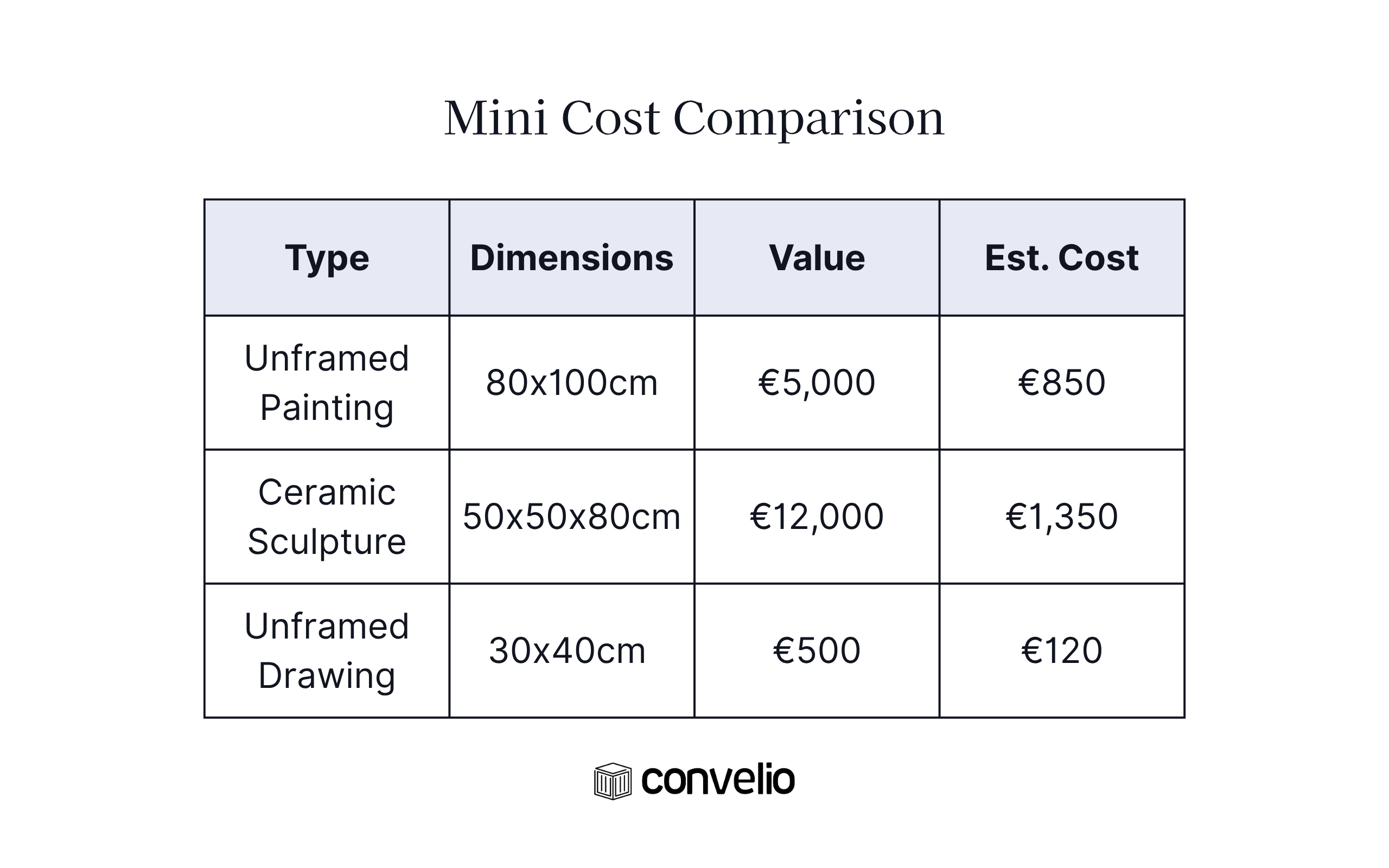
When your canvas painting exceeds 48 inches in any dimension or carries significant value, professional art shippers become essential. These specialists offer white glove service with climate control, custom crating, and comprehensive insurance. Expect costs ranging from $200 for regional transport to $2,000+ for international shipping of high-value pieces.
Research companies with ICC (International Convention Carrier) certification and verify references from museums or galleries. Reputable shippers provide GPS tracking and condition updates throughout transit. For exhibitions, many offer consolidated shipping—sharing transport space with other artworks to reduce costs while maintaining professional standards. Never choose based on price alone—your painting’s safety depends on proper handling.
Build Your Protective Packaging System
Layer Materials for Maximum Defense
First layer: Acid-free glassine paper directly against the paint surface. For oil paintings, use silicone release paper instead—plastic can stick to touch-dry paint. Second layer: Large-bubble bubble wrap (never the small bubbles that can imprint textures) with bubbles facing outward. Third layer: 2-inch closed-cell foam on both front and back, creating a rigid sandwich that prevents canvas flexing during transit.
For high-value pieces, wooden crates lined with archival foam offer maximum protection. Install humidity indicator cards inside—color changes reveal if your painting experienced dangerous moisture levels. Add silica gel packets in breathable bags to control humidity during long journeys. Critical step: Shake your packed box gently—you shouldn’t feel any movement inside. Void spaces cause damage more often than impact.
Apply Frame Corner Protectors Before Wrapping
Clean first with a soft, dry brush to remove any loose particles. Apply your protective facing layer using painter’s tape on the frame only—never let tape touch the painting itself. Install cardboard corner protectors on all frame corners before wrapping. These simple triangles prevent dents and dings that occur when packages shift in transit.
When boxing, ensure your painting floats in the center with cushioning on all six sides. Label every side with “FRAGILE ART” and orientation arrows. Include your contact information and destination address inside the box too, in case outer labels get damaged. Pro tip: Wrap the entire box in waterproof plastic—rain or snow during baggage handling can ruin even the best internal packaging.
Control Temperature and Humidity During Transit
Monitor Environmental Conditions Continuously
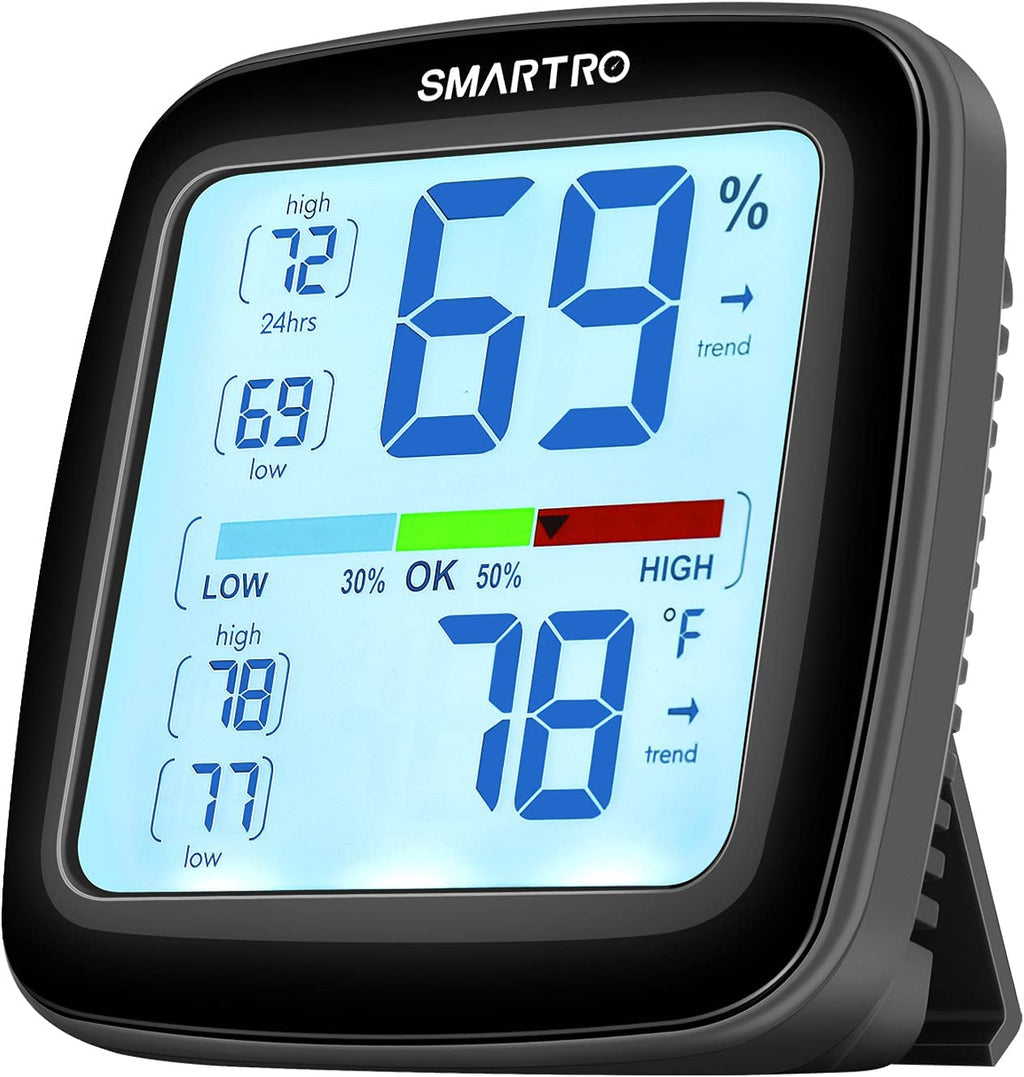
Canvas paintings fear temperature swings more than gradual changes. Ideal conditions: 65-75°F with 45-55% humidity. Rapid shifts of more than 10°F can cause cracking, especially in older oil paintings. Use a digital thermo-hygrometer to monitor conditions—many connect to smartphone apps for continuous tracking during travel.
During summer travel, never leave paintings in hot cars or direct sunlight. Pro tip: transport valuable pieces in insulated bags designed for wine bottles—these maintain stable temperatures far better than standard packaging. In winter, allow gradual warming by keeping paintings in their packaging for several hours after bringing them indoors. Sudden temperature changes cause the most damage to artwork in transit.
Handle Recently Painted Works Differently
Oil paint might feel dry to touch after a week, but full curing takes 6-12 months. Never transport wet paint—the risk of sticking, smudging, or collecting dust is too high. If you must move a recently completed piece, ensure it’s touch-dry (light finger pressure leaves no impression) and transport face-up only.
Use wax paper instead of plastic wrap for wet paint—plastic can create condensation and stick to the surface. Add extra rigid backing to prevent canvas flexing, which can cause fresh paint to crack. Plan for extended drying time at your destination before unpacking fully. Rushing this process risks ruining months of work.
Execute Safe Unpacking After Arrival
Allow Proper Acclimatization Time
Your canvas painting just traveled through who-knows-what conditions. Resist the urge to tear open packaging immediately. Wait 12-24 hours for gradual temperature adjustment while keeping the piece packaged. This slow transition prevents condensation from forming on the paint surface—a leading cause of mold and damage.
Photograph the package condition before opening—this documents any shipping damage immediately. Open systematically, removing one protective layer at a time while checking for damage at each stage. Keep all packaging materials until you’ve completed a thorough inspection—you’ll need them for insurance claims if problems appear. Rushing unpacking causes more damage than the journey itself.
Conduct Thorough Damage Assessment
Compare your painting’s current condition to your pre-travel photographs. Look for new cracks, areas where paint appears lifted, or canvas sagging. Check frame joints for separation that might have occurred during handling. Document everything with new photographs, especially if you spot changes.
For valuable pieces, schedule a conservator assessment within 48-72 hours of arrival. Materials need time to fully acclimate before professionals can accurately evaluate any travel-related stress. Don’t attempt DIY repairs on valuable works—even seemingly simple fixes can decrease value or cause further damage. When in doubt, consult a professional conservator before proceeding.
Your canvas painting represents more than pigment on fabric—it’s irreplaceable creativity, investment, and personal history rolled into one vulnerable package. By following these systematic approaches for how to travel with canvas paintings, you’re not just moving an object; you’re protecting a piece of yourself that happens to be worth thousands of dollars. The extra hours spent in preparation pale compared to the lifetime of regret from preventable damage.
Remember: professional art moves successfully every day using these exact methods. Your painting can too. Start planning early, invest in proper materials, and when in doubt for high-value pieces, trust the professionals who make their living ensuring artwork arrives safely. The peace of mind alone justifies the cost.