
Picture this: You’ve carefully packed your grandmother’s favorite peonies for her 90th birthday, only to find them limp and brown when you land. Or you’re rushing to a destination wedding with your bridal bouquet, sweating through airport security wondering if those precious roses will survive the journey. Traveling with flowers shouldn’t mean gambling with wilted disappointment—proper preparation transforms fragile blooms into vibrant memories.
Your success hinges on three critical factors: selecting travel-proof varieties, navigating complex regulations, and implementing science-backed hydration techniques. This guide reveals exactly how to transport flowers across state lines or international borders while keeping them fresh for days. You’ll discover which flowers actually survive travel (hint: roses often fail), how to breeze through TSA checkpoints, and emergency revival tricks when things go wrong.
Choose Flowers That Actually Survive Travel: Best & Worst Varieties
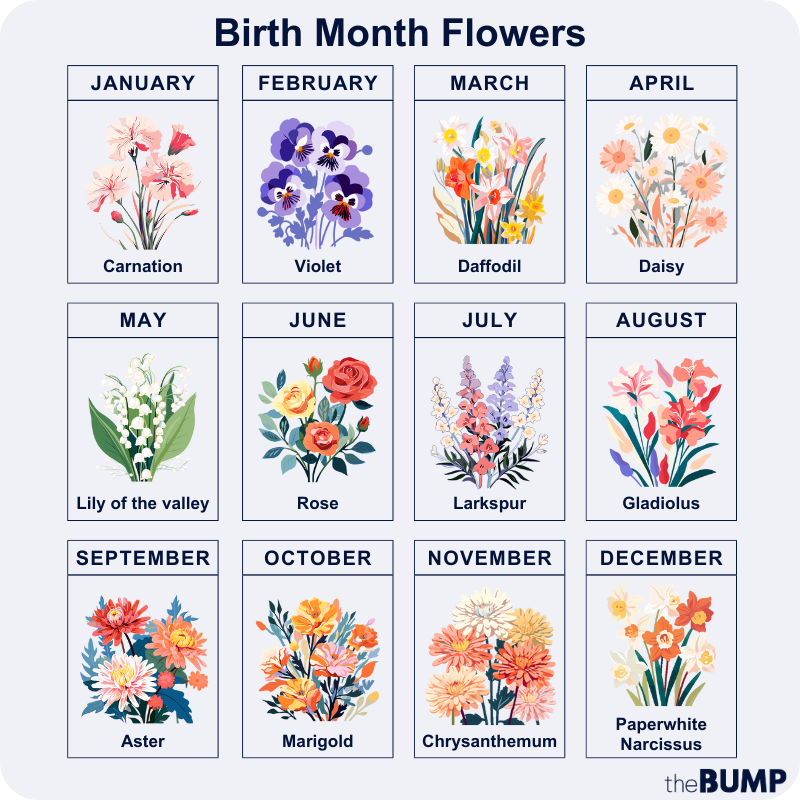
Your flower selection makes or breaks your travel success—some varieties withstand transit stress while others collapse within hours. Focus on species with proven resilience and avoid delicate types that turn to mush before you reach baggage claim.
Top 4 Travel-Proof Flowers:
– Chrysanthemums: Thrive for 14-21 days with minimal care
– Carnations: Handle temperature swings with 7-14 day longevity
– Alstroemeria: Sturdy stems survive rough handling for 7-14 days
– Orchids: Natural resilience maintains beauty for 10-14 days
Flowers That Fail Every Time:
– Tulips: Bend and droop within hours of cutting
– Gardenias: Bruise at the slightest touch, lasting only 2-3 days
– Poppies: Wilt irreversibly within 24 hours
– Hyacinths: Sensitive to temperature changes, especially in summer
Match blooms to your destination’s climate—tropical varieties like anthuriums tolerate heat better, while temperate flowers such as lilies need cooler conditions. Never attempt to transport poppies or gardenias on flights exceeding 3 hours.
Why Roses Often Fail During Air Travel
Roses look elegant but frequently disappoint travelers due to their thin stems and high water needs. Their woody stems clog easily during transit, blocking water uptake. If you must transport roses, implement the 24-hour hydration protocol below and avoid red varieties (they wilt faster than whites or pinks).
Execute the 24-Hour Hydration Protocol Before Departure
Proper pre-travel hydration doubles your flowers’ survival rate—but timing and technique matter more than you think. Start this process exactly 24 hours before your departure for maximum water retention without bacterial growth.
Critical Preparation Steps:
1. Cut stems underwater at 45-degree angles (prevents air blockages)
2. Strip all leaves below water line (bacterial breeding grounds)
3. Use commercial flower food at double strength for first hour
4. Split woody stems (roses, hydrangeas) ½ inch at base
Professional-Level Boost: Mix 1 teaspoon bleach + 1 tablespoon sugar per quart water to kill bacteria while feeding blooms. Apply anti-transpirant spray 12 hours before travel to reduce moisture loss. Soak floral foam for 30+ minutes without compressing—soggy foam outperforms water vials for long journeys.
What to Do When Flowers Wilt During Security Screening
Airport security lines expose flowers to heat and handling stress. Carry empty 3.4oz water vials through TSA, then refill at airport water fountains post-screening. If blooms start drooping, immediately recut stems underwater and submerge heads in cool water for 10 minutes—this revives 80% of stressed flowers.
Pass TSA Security With Flowers on Your First Try

Navigating airport security with flowers requires specific preparation—most travelers get tripped up by liquid rules and packaging misunderstandings. Follow this exact protocol to avoid having your blooms confiscated.
TSA-Approved Packing Checklist:
– Use individual water vials ≤3.4oz (100ml) per container
– Remove decorative packaging before security line
– Declare “fragile floral arrangement” to agents
– Carry backup water in empty containers
Airline-Specific Hacks:
– Southwest: Use free checked baggage allowance for large arrangements
– Delta: Fit compact bouquets under seats as personal items
– United: Book early flights when cargo holds are cooler
– American: Request “fragile” tags at check-in counter
Never check flowers in luggage—temperatures in cargo holds regularly exceed 100°F, cooking blooms in hours. Always carry flowers on board where you control the environment.
Avoid International Flower Travel Nightmares: Documentation Checklist
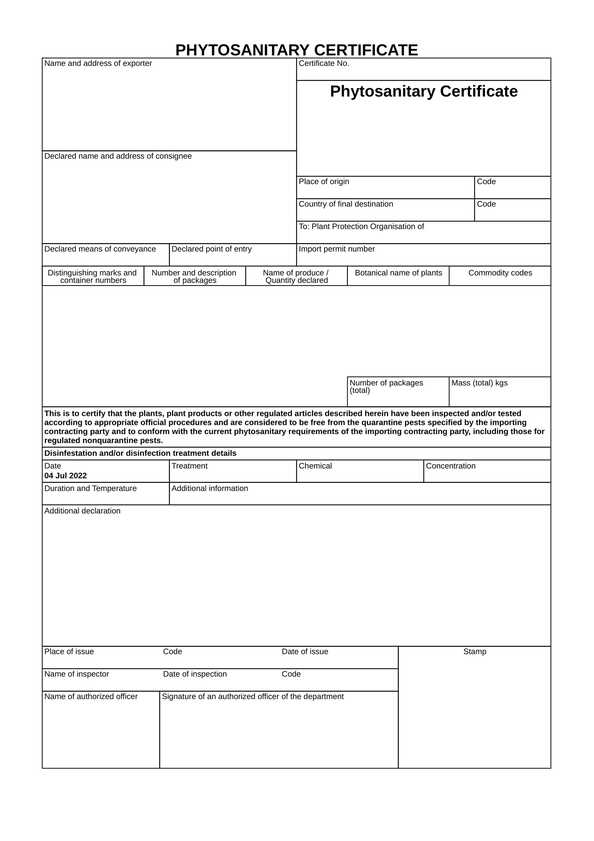
Crossing borders with flowers triggers complex paperwork most travelers ignore until it’s too late. Start documentation 30 days pre-travel—phytosanitary certificates often take weeks to process.
Must-Have Documents:
– Phytosanitary certificate (valid 14 days from issuance)
– Scientific species names (genus + species required)
– Destination country import permit number
– CITES permit for orchids or protected species
Critical Country Restrictions:
– Australia: 7-day quarantine + fumigation certificates
– Japan: Cherry blossoms completely prohibited
– EU: No soil or invasive species allowed
– UAE: Summer transport bans (May-September)
Contact your destination’s embassy 60 days pre-travel for exotic blooms. Missing one document means immediate confiscation—don’t gamble with irreplaceable flowers.
Pack Flowers for Survival: Carry-On vs. Checked Baggage Methods
Your packing method determines whether flowers arrive fresh or ruined. Choose the right technique based on trip length and destination climate.
Carry-On Success System:
– Water vials: 15ml tubes provide 8-12 hours hydration
– Insulated floral boxes: Maintain 65-75°F for 6+ hours
– Gel ice packs: Never touch flowers directly (use barrier)
Checked Baggage Damage Prevention:
– Double plastic bag moisture barrier with paper towels
– Bubble wrap around individual stems
– Foam padding between blooms
– Ventilation holes every 6 inches
Never leave flowers in parked cars—interior temperatures exceed 100°F within 10 minutes, cooking blooms instantly. Always keep arrangements with you in climate-controlled areas.
Revive Flowers After Arrival: 30-Minute Emergency Protocol
Immediate post-travel care determines whether your flowers last hours or days at your destination. Follow this exact sequence to maximize longevity.
Step 1: Underwater Stem Recut
Slice ½ inch off stems while submerged—this clears air-blocked channels. Use sharp shears at 45-degree angles.
Step 2: Temperature Acclimation
Place flowers in a cool, dark room for 30 minutes before moving to display area. Sudden temperature shifts cause shock.
Step 3: Nutrient Boost
Use bottled water with double-strength flower food for first 2 hours. Research local water hardness—hard water requires extra flower food.
Emergency Fixes for Damaged Blooms:
– Wilting roses: Submerge entire flower in lukewarm water 30 minutes
– Bent hydrangea stems: Dip heads in cool water while recutting bases
– Pollen-stained lilies: Remove anthers with tissue immediately
Calculate Transport vs. Local Purchase: When to Ship Flowers
Smart travelers analyze costs before attempting flower transport—sometimes buying locally saves money and stress.
Transport Cost Breakdown:
– Domestic carry-on: $0-65 fees + $25 packaging
– International: $93-200 documentation + $45 special packaging
– High-value blooms: Insurance costs 1-2% of value
Smart Decision Points:
– Transport if: 1-2 dozen stems, sentimental value, or rare varieties
– Buy local if: 3+ dozen stems, destination has quality florists, or tight budget
– Always verify destination florist quality before deciding
For weddings, ship arrangements 48-72 hours pre-event using FedEx Custom Critical (98% success rate). Budget 15% extra for potential damage replacement.
Final Travel Tip: Start preparations 48 hours before departure—not the night before. Document every step with photos for insurance claims, and always confirm current regulations with airlines and embassies. With these science-backed methods, your flowers will arrive vibrant whether you’re crossing the country or the globe. When in doubt, consult a professional florist at your destination—they’ve seen every travel disaster and know exactly how to revive stressed blooms.