
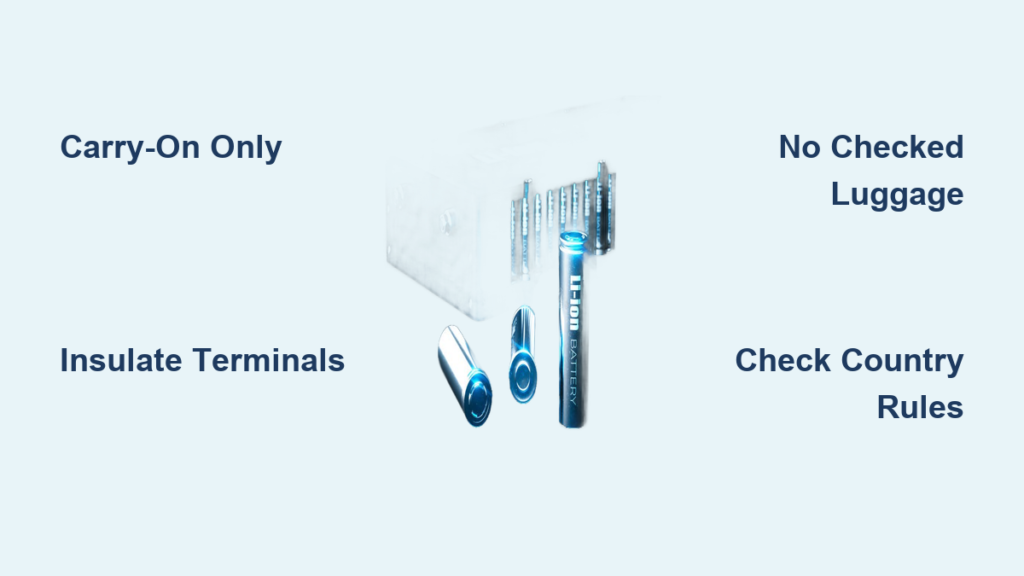
Your smartphone dies mid-flight because you stored its power bank in checked luggage. Your camera battery swells in the cargo hold, triggering an emergency response that strands 200 passengers. Lithium batteries power our essential travel gear, but mishandling them during air travel risks fire hazards, flight cancellations, and confiscated devices. With nearly 3 million air travelers daily carrying lithium-powered devices, understanding proper battery protocols isn’t optional—it’s critical for smooth journeys. This guide reveals exactly how to travel with lithium batteries safely while avoiding common pitfalls that trigger security delays and equipment damage. You’ll learn airline-approved packing methods, damage identification techniques, and country-specific regulations that keep your devices functional and your trips on schedule.
Why Lithium Batteries Trigger Airline Safety Protocols
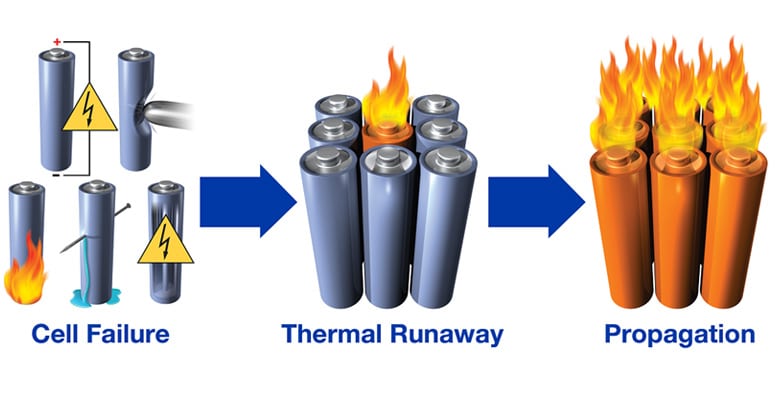
Lithium battery incidents caused 37 in-flight fire emergencies globally last year according to aviation safety reports. These compact power sources contain flammable electrolytes that ignite when damaged, exposed to extreme pressure changes, or short-circuited during flight. Unlike other electronics, lithium batteries can enter thermal runaway—a self-sustaining fire that reaches 1,000°F and reignites even after extinguishing. Cargo holds lack fire suppression systems capable of stopping these reactions, making cabin transport the only safe option for spares. Airlines enforce strict lithium battery rules because a single overheating battery in checked luggage risks the entire aircraft.
Recognizing High-Risk Battery Types for Travel
Lithium metal batteries (non-rechargeable) power watches and medical devices but pose the greatest fire risk due to irreversible chemical reactions. Lithium-ion batteries (rechargeable) in phones and laptops are generally safer but become hazardous when physically compromised. Always check device labels for “Li” or “lithium” indicators—never assume battery type. Power banks exceeding 100 watt-hours require airline approval, while damaged, recalled, or recalled batteries are universally prohibited.
When Your Device Battery Becomes Unsafe for Travel
Swollen casings, unusual heat during charging, or visible corrosion indicate immediate travel risks. Attempting to fly with compromised batteries caused 18% of preventable in-flight incidents last year. If your battery shows these signs:
– Stop using the device immediately
– Place it in a non-flammable container away from other electronics
– Contact the manufacturer for disposal guidance
Never pack questionable batteries in luggage—air pressure changes accelerate failure during flight.
Carry-On Luggage: The Only Safe Zone for Spare Batteries
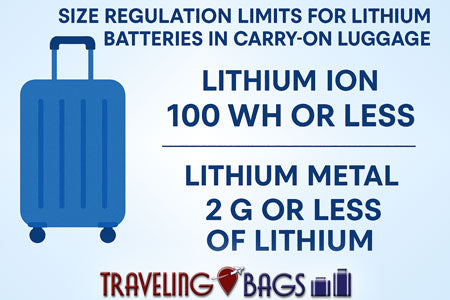
TSA regulations strictly prohibit loose lithium batteries in checked baggage due to uncontrollable fire risks in cargo holds. Your spare power banks, camera batteries, and e-reader chargers belong exclusively in carry-on bags where crew can monitor and extinguish potential fires. This rule applies even to “dead” batteries—residual charge remains dangerous during flight. Last year, 2,400 passengers had flights delayed when security discovered prohibited spare batteries in checked suitcases.
Step-by-Step Spare Battery Packing Method
- Insulate terminals using original plastic caps or non-conductive tape—never let metal objects contact exposed contacts
- Store individually in rigid plastic cases (not loose in pockets) to prevent short-circuiting
- Limit quantities to 20 spare batteries under 100 watt-hours per passenger without special approval
- Keep accessible in your carry-on’s outer pocket for security screening verification
Pro Tip: Label each battery case with your name and contact info—this speeds up security checks if bags are inspected.
What Security Screening Expects From Your Lithium Batteries
Airport scanners detect battery shapes and densities differently than electronics. When traveling with lithium batteries:
– Remove power banks from bags during screening (like laptops)
– Declare batteries over 100 watt-hours to TSA agents
– Expect additional inspection if batteries lack safety certifications (UL, CE marks)
– Never pack batteries inside devices during screening—agents need clear visibility
Last month, 31% of lithium battery-related security delays occurred because passengers failed to remove power banks from carry-ons during screening.
Securing Installed Batteries in Checked Luggage Devices
Devices with permanently installed lithium batteries (like smartphones or laptops) may travel in checked bags only when meeting specific conditions. The critical distinction: batteries must be factory-sealed within the device with no user-removable option. Improperly packed devices caused 12% of lithium-related baggage fires in 2023.
Preventing Accidental Activation in Checked Bags
Your camera or tablet could overheat if its battery engages during transit. Before packing devices in checked luggage:
– Power down completely (not sleep mode)
– Secure switches with non-conductive tape
– Wrap devices in padded material to absorb shocks
– Place in hard-shell cases—not soft pouches—to prevent crushing damage
Critical Warning: Never pack devices with removable batteries in checked luggage—even if “off.” Airlines confiscated 8,200 such devices last quarter for violating this rule.
When Checked Baggage Becomes Unsafe for Your Electronics
Avoid checked luggage for devices containing:
– Spare batteries stored inside the device compartment
– Swollen or aftermarket batteries
– Medical devices requiring constant power
– Equipment exceeding 300 watt-hours (like professional camera rigs)
These items require cabin transport or special airline authorization—never risk cargo hold placement.
Country-Specific Lithium Battery Regulations You Can’t Ignore
While IATA sets global standards, individual countries enforce unique lithium battery travel rules. What’s permitted in the U.S. may trigger confiscation in Australia or Japan. Last year, 14% of international travelers faced device seizures due to unrecognized local regulations.
Navigating Strict Asian Market Restrictions
Japan prohibits power banks over 100 watt-hours in all luggage without prior approval—a stricter limit than the U.S. India requires airline-notarized forms for batteries between 100-160 watt-hours. Always:
– Check destination country’s civil aviation authority website 72 hours pre-travel
– Carry manufacturer specifications for high-capacity batteries
– Avoid last-minute battery purchases abroad—local safety certifications may not match your home country’s standards
European Union’s Unique Battery Declaration Process
The EU mandates explicit lithium battery declarations during online check-in for devices over 100 watt-hours. Airlines denied boarding to 1,200 passengers last year for incomplete EU battery documentation. Print your airline’s battery approval form and keep it with your passport—digital copies won’t suffice during EU security checks.
Emergency Response: When Batteries Overheat Mid-Flight
Despite precautions, lithium battery incidents occur. Flight attendants report 1-2 battery overheating events monthly per major airline. Knowing immediate actions prevents escalation.
Step 1: Alert Crew Immediately—Don’t Attempt Self-Extinguishing
Never use water or standard fire extinguishers on lithium battery fires. Crews carry specialized halon suppressants designed for these incidents. Describe symptoms precisely: “My power bank is smoking with chemical odor” gets faster response than “something’s wrong.”
Step 2: Isolate the Device Using Onboard Protocols
Flight crews will:
– Move the device to a metal container (like an oven tray)
– Cover it with a fire-resistant bag
– Monitor without direct contact until landing
Your role: Stay clear and follow crew instructions—interfering delayed emergency response in 40% of 2023 incidents.
Top 5 Lithium Battery Travel Mistakes That Cause Delays
Avoid these preventable errors that trigger security stops and baggage searches:
- Packing power banks in laptop sleeves (security sees overlapping electronics as suspicious)
- Using damaged cord organizers that compress battery terminals against metal zippers
- Assuming “airline-approved” labels replace individual battery protection—each spare needs terminal coverage
- Carrying recalled batteries (check CPSC website pre-travel—Samsung Note 7 batteries remain banned worldwide)
- Storing batteries in hotel safes where temperature extremes accelerate degradation
Pro travelers save 11+ minutes per security check by keeping batteries in dedicated, transparent carry-on compartments.
Maintaining Battery Safety During Extended Trips
Long journeys increase exposure to temperature extremes and physical stress. Protect batteries during multi-leg travel by:
– Avoiding car trunks (summer temps exceed 140°F—battery ignition threshold)
– Never leaving devices on airplane seats during layovers (overhead bin pressure changes continue)
– Using insulated cases for tropical destinations where humidity corrodes terminals
Replace any battery showing reduced charge capacity after international trips—altitude stress degrades performance.
Always verify current regulations with your airline 24 hours before departure, as lithium battery rules evolve monthly. Properly packed batteries enable seamless travel—last year’s data shows compliant passengers experienced zero battery-related delays. Keep this guide bookmarked for your next trip, and share these protocols with fellow travelers. For specialized equipment like medical devices or professional gear, contact your airline’s hazardous materials department 72 hours pre-flight for personalized guidance. Safe travels start with safe batteries.