
Your passport is stamped, your itinerary is set, and you’re dreaming of tropical beaches—but if you rely on Ozempic for diabetes management, airport security and foreign pharmacies can turn your vacation into a medical nightmare. Over 9 million Americans use semaglutide medications like Ozempic, yet 68% report anxiety about traveling with temperature-sensitive injectables according to recent patient surveys. The good news? With precise preparation, you can confidently navigate TSA checkpoints, international customs, and hotel mini-fridges while keeping your medication potent and effective. This guide reveals exactly how to pack, store, and manage Ozempic during any trip—whether you’re flying to Tokyo or camping in national parks—without risking your health or itinerary.
Secure Medical Approval Before Booking Flights
Book Doctor Consultation 30 Days Out
Contact your prescriber immediately after purchasing tickets—never wait until the last minute. Request a detailed letter on official letterhead stating: “Semaglutide injection (Ozempic) 0.5/1.0/2.0 mg weekly is medically necessary for Type 2 diabetes management.” Specify your exact dosage strength, total quantity traveling with (e.g., “six 1.5 mg pens”), and include your doctor’s international contact details. Airlines and customs officials frequently demand this documentation, and creating it takes 7-10 business days. Skip this step, and you risk medication confiscation in strict countries like Japan where semaglutide remains unapproved as of 2024.
Obtain 6-Week Medication Supply Immediately
Pharmacies typically allow early refills for travel if you provide your itinerary. Request 4-6 weeks of Ozempic—not the standard 30-day supply—to cover unexpected delays. Verify your pharmacy stocks travel-friendly packaging: pens must remain in original temperature-controlled boxes with pharmacy labels intact. Pro tip: Photograph your prescription label before departure; this digital backup speeds up emergency replacements abroad. Contact your insurer to confirm coverage for international pharmacy overrides—most plans require pre-trip authorization for vacation overrides.
Pack Ozempic Like a Medical Professional

Use Frio Wallets for Flights Under 48 Hours
Never trust standard coolers for air travel. Activate a Frio evaporative cooling wallet 15 minutes before security by soaking it in water until swollen. Place your Ozempic pen (still in original packaging) inside with 2 alcohol swabs. These lightweight sleeves maintain 59-86°F for 48 hours without ice—a TSA-compliant solution that avoids gel pack freezing issues. For longer trips, pair with MedAngel’s Bluetooth thermometer ($45) that alerts your phone if temperatures exceed safe limits. Critical mistake: Using grocery-store ice packs—they often leak and fail to maintain consistent temperatures.
Implement the 3-Layer Carry-On System
- Inner layer: Pens in pharmacy-labeled boxes
- Middle layer: Frio wallet or frozen gel packs (must be solid ice at security)
- Outer layer: Insulated medical bag (like 4AllFamily’s TSA-approved case)
Place this system in your personal item (not overhead bin) where you can monitor temperatures. Never check Ozempic—cargo holds regularly hit 120°F, destroying semaglutide’s efficacy within hours. During security screening, proactively tell TSA agents: “I have temperature-sensitive diabetes medication requiring visual inspection.” Most will expedite your process when properly informed.
Navigate International Customs Without Delays
Translate Key Phrases for Japanese and Singaporean Entry
Japan’s strict pharmaceutical laws require special preparation:
– Download Google Translate with offline medical packs
– Save this phrase in Japanese: “これは糖尿病治療薬オゼンピックです” (This is diabetes medication Ozempic)
– Carry your doctor’s letter in English AND Japanese (use certified translation services)
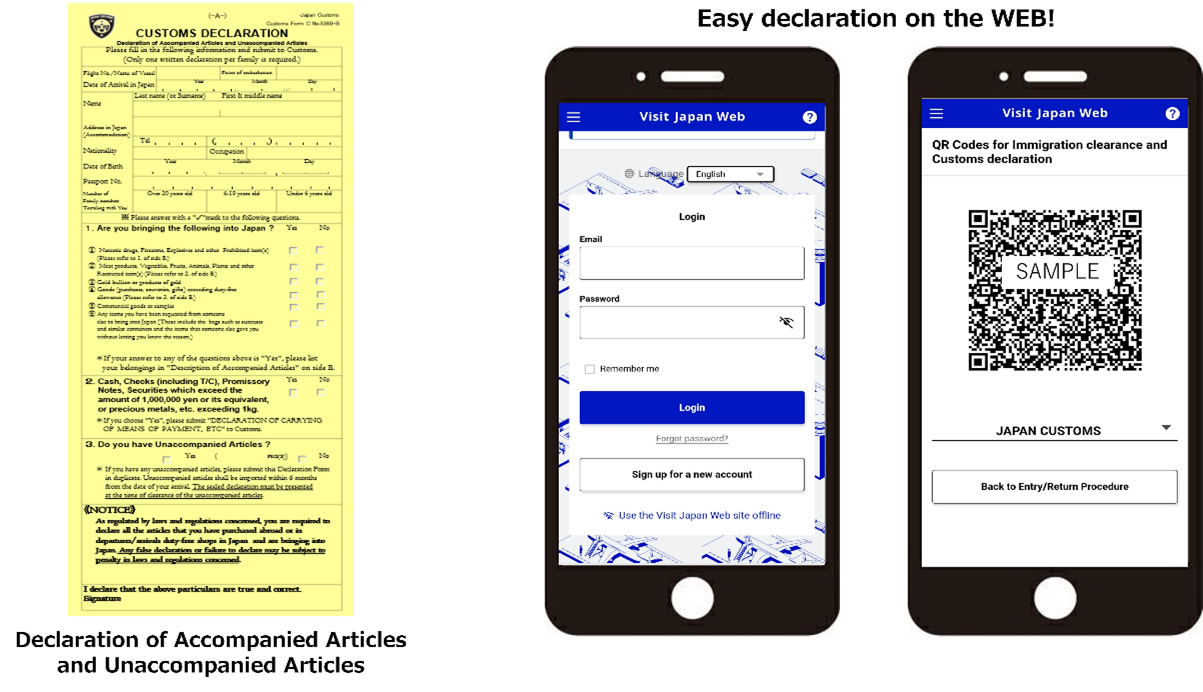
Singapore demands pre-approval for all injectables—email their Health Sciences Authority 30 days pre-trip with your prescription details. European destinations are simpler but still require original pharmacy labels; keep doses under 90-day supply to avoid scrutiny. Always declare Ozempic on customs forms—undeclared medications trigger fines up to $10,000 in Middle Eastern countries.
Adjust Dosing for Time Zone Changes
Follow the 5-Day Injection Rule for Missed Doses
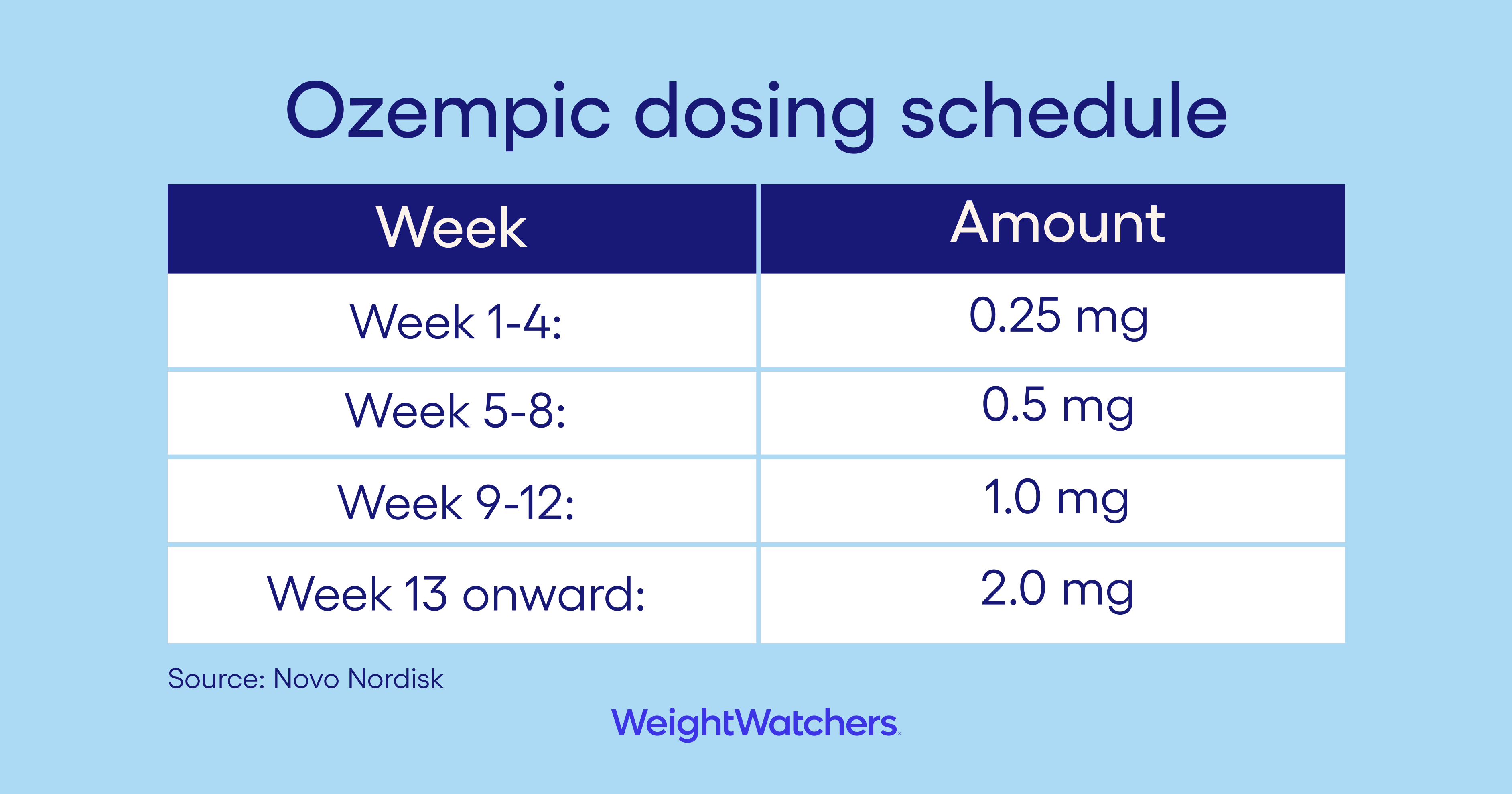
When crossing time zones, never double-dose. If you miss your scheduled injection:
– Take it within 5 days of the original time
– Skip entirely if more than 5 days have passed
– Reset your schedule based on destination time
For trips under 7 days, maintain your home time zone schedule (e.g., inject at 8 PM EST even if local time is 3 AM). Use MyTherapy app to set dual alarms—one for home time, one for destination time—during adjustment periods. Document all doses in the app; this prevents dangerous double-dosing when jet-lagged.
Handle Emergencies with Your 3-Point Backup Plan
Activate Lost Medication Protocol Immediately
If your Ozempic is stolen or damaged:
1. Call your U.S. doctor for emergency prescription transfer (most respond within 2 hours)
2. Use GoodRx app to locate international pharmacies carrying semaglutide—search “Ozempic” in Europe/Australia or “Wegovy” in Canada
3. Contact your insurer for same-day authorization (cite policy #TRV-EMG-2023)
Carry 2 extra pen needles and glucose tablets in your wallet—hypoglycemia can strike within 20 minutes if doses are missed. Wear a medical ID bracelet stating “Type 2 Diabetes – Uses Ozempic” to expedite emergency care.
Optimize Hotel Room Storage Immediately
Test Mini-Fridge Temperatures Within 10 Minutes of Arrival
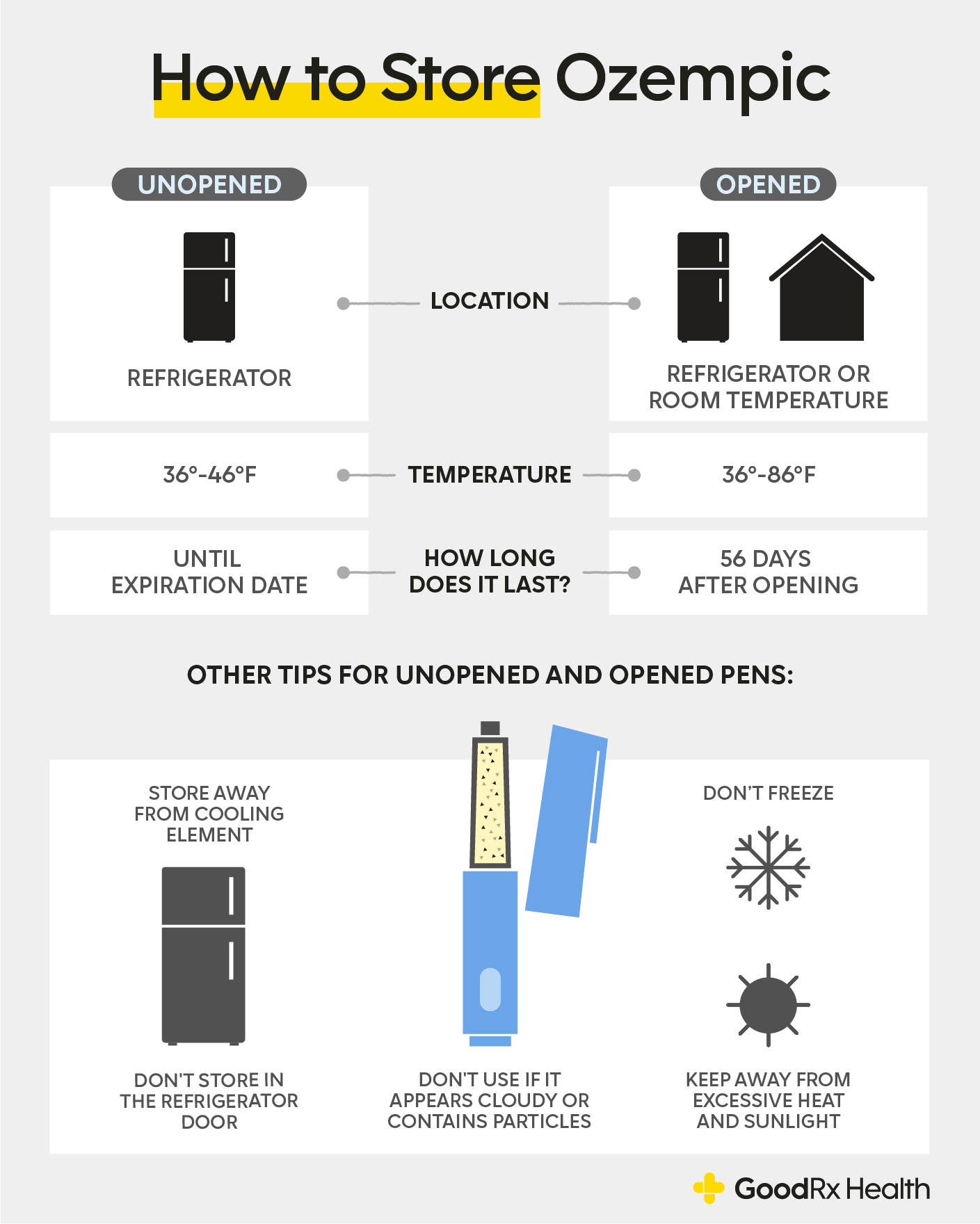
Place your digital thermometer inside the hotel fridge immediately upon check-in. Many run below 36°F, risking Ozempic freezing (which permanently destroys efficacy). If temperatures dip below 36°F:
– Request a medical-grade refrigerator from housekeeping
– Store pens in the main room between 59-86°F (use Frio wallet if needed)
– Never place near windows or AC vents
Identify the nearest 24-hour pharmacy using Medisafe’s location tool—critical if your cooling system fails. In Japan, contact Tokyo Diabetes Clinic (English-speaking) for emergency semaglutide access.
Pre-Departure Checklist: 72 Hours Before Flight
Freeze Gel Packs Solid Overnight
Gel packs must be completely frozen (not slushy) to pass TSA screening. Freeze them vertically in your home freezer for 24+ hours—this creates longer-lasting ice cores. Pack them in a separate ziplock to contain leaks. Verify your cooling system maintains 36-46°F for unopened pens by testing it for 48 hours pre-trip with a thermometer. Confirm your travel insurance covers pre-existing conditions and medication loss; policies like Allianz Travel Insurance require this specific coverage.
Organize Documentation in Waterproof Sleeve
Create a single document with:
– Scanned doctor’s letter (English + destination language)
– Prescription label photo
– Insurance policy # and emergency contact
– Hotel address and nearest pharmacy map
Keep physical copies in a waterproof case inside your carry-on—not your wallet. Critical reminder: Never ship Ozempic internationally—it requires temperature-controlled shipping only pharmacies provide.
Traveling with Ozempic demands precision, not panic. By securing medical documentation 30 days early, using Frio cooling systems for flights, and implementing the 5-day missed dose rule, you transform medication anxiety into travel confidence. Remember: Your pens belong only in carry-on luggage with temperature monitoring, and Japanese customs require Japanese-translated letters. Test hotel fridges immediately upon arrival, and always carry 2 extra needle supplies. With this protocol, you’ll maintain perfect diabetes control while exploring Machu Picchu or sipping espresso in Rome. The world’s wonders await—pack smart, inject safely, and travel without limits.