
Picture this: You’re clearing security for your dream vacation when TSA agents flag your medication bag. Your therapeutic peptides—essential for your health regimen—could be confiscated without proper documentation. You’re not alone. Over 30% of travelers carrying temperature-sensitive medications face delays or seizures at borders due to preventable errors. Whether you’re flying to Bali with growth hormone peptides or taking a domestic trip with prescribed treatments, mastering how to travel with peptides is non-negotiable for uninterrupted care. This guide cuts through the regulatory maze with actionable steps to keep your health routine intact across 195+ countries—no legal degree required.
Peptides demand precision in transit because most require strict temperature control (2-8°C for refrigerated variants) and face complex legal classifications worldwide. A single oversight—like missing translation certificates or improper cooling—can derail your trip. But here’s the good news: With the right documentation, packing strategy, and destination research, you’ll breeze through customs while keeping your peptides viable. By the end of this guide, you’ll know exactly how to pack, declare, and protect your medications anywhere on earth.
Legal Requirements: Prescription vs. Research Peptides
Your peptide’s legal status hinges on documentation and destination. Therapeutic peptides with valid prescriptions generally travel under personal-use exemptions, but research compounds face intense scrutiny. Many countries classify non-prescribed peptides as controlled substances regardless of intended use—even if you’re carrying them for legitimate scientific work.
International Travel Rules You Must Know
Always verify regulations for every country on your itinerary, including layover stops. The EU accepts EMA-approved peptides with standard prescriptions, but Nordic nations like Sweden often demand extra permits. Australia requires TGA import permits for specific compounds, while Canada mandates Health Canada approval. Crucially:
– FDA-approved peptides only enter the U.S. legally
– Research peptides need DEA registration even for personal use
– Maximum 90-day supply without special authorization
– Connect flights through strict countries (e.g., UAE) trigger additional checks
Domestic Travel Guidelines Simplified
Within most countries, legally prescribed peptides travel smoothly if you:
1. Pack only 30-90 days’ supply (plus 10% buffer for delays)
2. Keep medications in original pharmacy-labeled containers
3. Carry your prescription matching your travel ID
No permits are needed domestically, but always declare medications at security checkpoints to avoid X-ray damage.
Essential Documentation Checklist for Zero Confiscations
Missing one document risks losing your entire supply. Border agents won’t accept digital copies—physical, translated paperwork is mandatory for non-English speaking destinations. Start gathering these 6 weeks pre-trip.
Required Prescription Papers
Your core kit must include:
– Original prescription with your name matching passport details
– Pharmacy labels showing drug name, dosage, and expiration
– Doctor’s letter stating medical necessity (include ICD-10 diagnosis codes)
– Certified translations for all documents if traveling outside English-speaking regions
Pro tip: Carry two identical sets—one in carry-on, one in checked luggage.
Research Peptide Paperwork (High-Risk!)
For non-therapeutic compounds, add:
– Material Safety Data Sheets (MSDS) for each peptide
– Institutional authorization letter on official letterhead
– Pre-approved import/export permits (submit 4+ weeks early)
– Completed customs declarations listing chemical structures
Never assume “personal use” applies—many countries ban research peptides entirely.
Temperature Control Solutions That Actually Work

Peptides degrade in 30 minutes outside safe zones. Refrigerated variants (like BPC-157) need 2-8°C stability, while frozen peptides (e.g., CJC-1295) require -20°C. Standard coolers fail in tropical airports or winter layovers—use these proven methods.
Short-Trip Cooling Options (Under 24 Hours)
For single-leg flights:
– Phase-change cooling packs (e.g., TempAid) maintain 2-8°C for 48+ hours
– Insulated medication bags with pre-frozen gel packs (test with thermometer first!)
– Hotel mini-fridges—call ahead to confirm medical-grade capability
Avoid ice packs that leak water; use sealed, non-toxic PCM packs instead.
Extended Travel Strategies (International Trips)
Multi-week journeys need:
– Medical-grade coolers (like MyMediBeacon) with 72-hour battery life
– Dry ice for frozen peptides (max 2.5kg in carry-on; declare to airline)
– Local pharmacy partnerships—pre-arrange refrigeration via IAMAT’s global network
Always pack backup cooling packs. Cargo holds fluctuate between -30°C and 30°C—never check temperature-sensitive peptides.
Airport Security Procedures That Prevent Delays
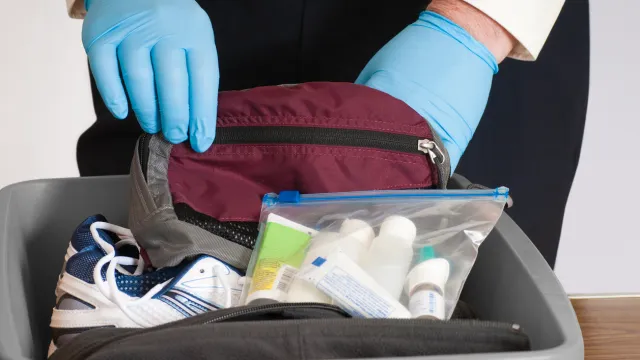
Declare peptides immediately at security. Hiding medications triggers secondary screening and confiscation. TSA allows peptide syringes in carry-ons, but international rules vary drastically.
Security Screening Process Step-by-Step
- Place peptide containers in a separate clear quart-sized bag
- Hand prescriptions/doctor’s letter to agents before X-ray screening
- Request visual inspection—X-rays can degrade peptide potency
- Allow 45+ extra minutes for processing (more for research compounds)
Never bury medications in toiletries—keep them instantly accessible.
Injectable Peptide Protocol
For needle-based treatments:
– Carry unused needles sealed in original packaging
– Pack FDA-approved sharps containers for used syringes
– Bring 20% extra supplies for flight delays or lost luggage
Note: Japan and Singapore ban all injectables without pre-approval—research destinations thoroughly.
Smart Packing Strategies to Avoid Total Loss
Split your peptide supply across two locations. If one bag gets lost, you won’t lose all medication. This isn’t just smart—it’s your safety net for extended trips.
Carry-on Advantages
- Full temperature control during transit
- Zero risk of cargo hold extremes (-30°C to 30°C fluctuations)
- Immediate access for timed doses during layovers
- Smoother security screening (agents prefer visible medical items)
Always carry at least 3 days’ supply in your carry-on.
Checked Luggage Considerations
Only use checked bags for:
– Non-temperature-sensitive peptides (e.g., room-stable Sermorelin)
– Backup supplies in secondary insulated containers
– Excess quantities exceeding carry-on liquid limits
Never check refrigerated/frozen peptides—cargo holds lack consistent cooling.
Country-Specific Regulations: Critical Exceptions
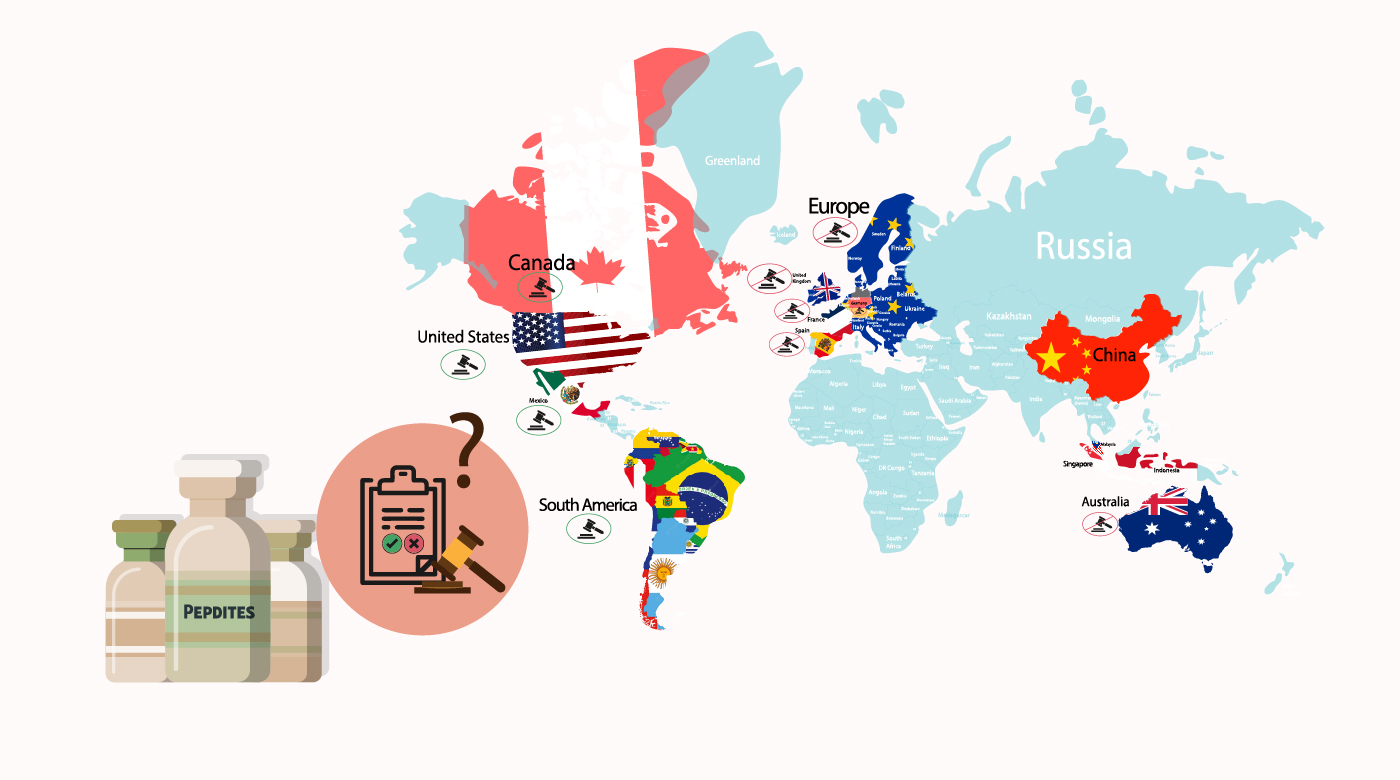
Australia and Canada trip up 40% of peptide travelers. Even with perfect documentation, these destinations have hidden pitfalls.
High-Risk Destinations Breakdown
- United States: Only FDA-approved peptides allowed. Research compounds require DEA registration—no exceptions.
- European Union: Schengen zone accepts standard paperwork, but France demands notarized doctor letters.
- Australia: TGA permits take 21+ days; max 3-month supply without hospital referral.
- Canada: Border agents often deny entry without pre-cleared Health Canada forms.
Always check embassy websites 30 days pre-trip—regulations change monthly.
Emergency Backup Plans for Lost or Damaged Peptides
When peptides get confiscated, act fast. Most travelers panic and skip doses, risking health complications. Have these protocols ready.
Lost Medication Protocol
- Contact IAMAT’s 24/7 emergency line for local pharmacy referrals
- Use telemedicine services (e.g., PlushCare) for prescription transfers
- Activate travel insurance coverage for urgent replacements
- Share pre-arranged emergency contacts with your prescribing doctor
Temperature Failure Solutions
If cooling fails mid-trip:
1. Check data logger readings to confirm excursion duration
2. Call local pharmacies—many offer free refrigeration for travelers
3. Follow pre-agreed excursion protocols from your doctor (e.g., “discard if >8°C for 2+ hours”)
4. File insurance claims with temperature logs as proof
Pre-Travel Timeline: 4-6 Weeks to Avoid Disasters
Rushing paperwork causes 70% of peptide travel failures. Follow this sequence to prevent last-minute crises.
4-6 Weeks Before Departure
- Research destination-specific regulations via embassy sites
- Apply for import permits (processing takes 10-25 business days)
- Schedule doctor consultation for travel letters
- Verify prescription refill dates align with departure
2-3 Weeks Before Travel
- Confirm airline policies for medical coolers (some require pre-approval)
- Arrange hotel refrigeration—request medical-grade mini-fridges
- Get certified translations for all documents
- Buy and test cooling equipment with thermometers
1 Week Before Travel
- Double-check document completeness against embassy checklists
- Test cooling system for 48 hours with thermometer validation
- Confirm destination pharmacy availability via IAMAT
- Pack medications in separate carry-on and checked bags
Common Packing Mistakes That Get Peptides Confiscated
These errors ruin vacations every day. Avoid them like border agent red flags:
- ❌ Assuming EU-wide uniformity (Germany accepts standard docs; Norway requires extra permits)
- ❌ Packing refrigerated peptides in checked luggage without active cooling
- ❌ Carrying research peptides without institutional authorization letters
- ❌ Exceeding 90-day supply without pre-approved permits
- ❌ Ignoring layover country rules (e.g., Dubai bans most peptides)
Always verify requirements with your destination’s embassy—not third-party sites. Regulations change weekly, and outdated advice gets medications seized.
Traveling with peptides demands precision, but not panic. By nailing documentation, temperature control, and destination research, you’ll keep your health regimen intact from departure to return. Remember: Declare everything upfront, split your supplies, and test cooling systems pre-trip. With these steps mastered, you’re not just traveling with peptides—you’re traveling with confidence. Now go enjoy that vacation without pharmacy emergencies.