
Your flight just landed, you’re standing at baggage claim with your luggage, and that sinking feeling hits—you can’t remember the combination to your travel bag lock. This frustrating scenario happens to thousands of travelers every day, whether you’ve forgotten the code, lost the key, or the lock jammed during transit. Knowing exactly how to unlock travel bag lock mechanisms quickly can save your trip from disaster. This guide delivers immediate solutions for every lock type you’ll encounter, using tools you likely have in your pocket right now.
Don’t panic—most travel locks yield to simple techniques within minutes. Whether you’re dealing with a TSA-approved combination lock, a built-in suitcase mechanism, or an old-fashioned key lock, there’s almost always a way in without damaging your luggage. The key is identifying your specific lock type first, then applying the precise method that works for that mechanism. By the time you finish this guide, you’ll have the knowledge to unlock any travel bag lock confidently.
Spot Your Lock Type in Under 1 Minute
TSA Combination Locks: The Modern Standard
Scan your lock for the red diamond TSA logo—this is your first clue. These 3-digit combination locks dominate modern luggage and have distinctive numbered wheels you rotate to set your code. The presence of this logo means airport security can open it with master keys, which actually works in your favor when you’re locked out. Check for model numbers stamped on the lock face; these often unlock manufacturer-specific solutions later.
Built-in Suitcase Locks: Hidden Mechanisms
Hard-shell suitcases frequently hide locks inside the zipper pulls themselves. Open your bag if possible and look for small reset buttons along the frame or inside pockets. American Tourister and Samsonite models typically place these reset points near the luggage spine or in the front organizer pocket. These locks often require the suitcase to be open before you can reset the combination.
Vintage Key Locks: Still in the Wild
Though less common today, many travelers still use traditional key locks on older luggage. These feature either flat keys or barrel-style keys and lack the TSA red diamond logo. If you’ve lost your key, don’t despair—most luggage key locks use standardized keyways where common spare keys might work. Check for a key number stamped on the lock body; luggage brands often provide replacement keys with this number.
3-Step TSA Lock Unlocking Method That Works
Try Default Combinations First
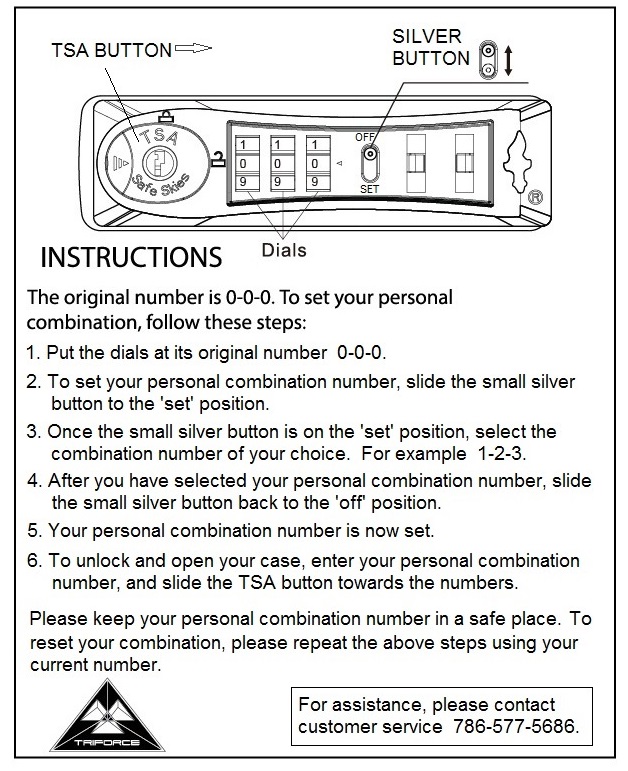
Before attempting complex methods, test these factory settings that work for most TSA locks:
– 0-0-0 (the default for 80% of new locks)
– 1-2-3 (common backup sequence)
– 0-0-1 (manufacturer reset code)
Check any original packaging—defaults often appear printed inside. Many travelers never change from these factory settings, making this your fastest path to unlocking your travel bag lock. Spend no more than 30 seconds testing these before moving to more advanced techniques.
Feel Method for Instant Code Discovery
Apply steady upward pressure on the shackle while slowly rotating each wheel. The correct digit creates subtle resistance—a slight catch or stiffness you’ll feel through your fingertips. Rotate each wheel until you detect this distinct “click” point, then move to the next wheel. With practice, you’ll feel all three correct numbers within 90 seconds. This technique works best with 3-digit locks and requires no tools.
Gap Method for Visual Learners
Hold your lock at eye level under bright light (your phone flashlight works perfectly). Examine the tiny gaps between numbered wheels and the lock body. Correct digits create uniform gaps while wrong numbers show uneven spacing. Rotate wheels until all gaps appear identical, then test systematically. This visual approach helps when the feel method proves difficult on worn locks.
Built-in Suitcase Lock Emergency Bypass
Hidden Zipper Pull Release
Most hard-shell cases contain emergency zipper pulls that bypass external locks entirely. Check inside the main compartment for small fabric loops or secondary zipper tabs near the lock mechanism. These hidden releases exist specifically for lockout situations. Gently pull these tabs to separate the zippers from the locking mechanism, granting immediate access to your belongings.
Reset Button Locations by Brand
Open your suitcase through any alternate access, then search the interior frame for reset points:
– Samsonite: Look along the suitcase spine or inside front pocket
– American Tourister: Check interior frame near lock assembly
– Travelpro: Often hidden inside front organizer pocket
Use a pen refill or straightened paperclip to press these tiny reset buttons. While holding the button, set your new combination on the exterior dials. This knowledge transforms how you approach unlocking travel bag lock systems built into your suitcase.
Lost Key Lock Solutions You Can Do Now
Paperclip Lock Picking in 60 Seconds
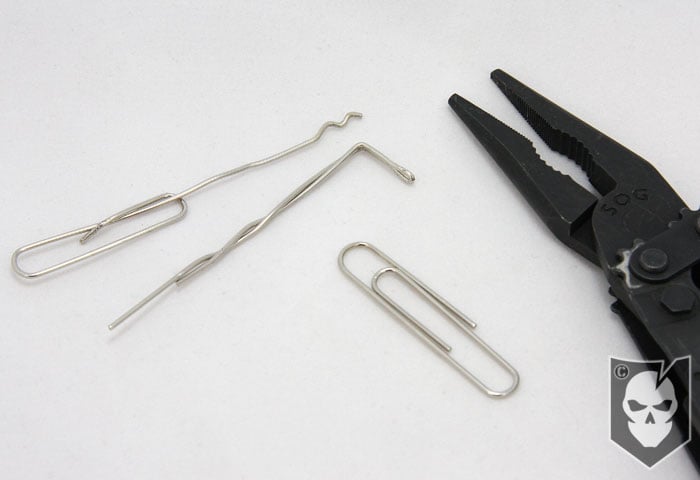
Straighten two paperclips: create an L-shaped tension wrench with one, and a small pick with the other. Insert the tension wrench at the keyway’s bottom, applying slight rotational pressure. Use the pick to lift each pin until you feel them set—simple luggage locks typically have fewer pins than security locks, making this technique surprisingly effective. You’ll hear a soft click when the lock releases.
Aluminum Can Shim Technique
Cut a 1-inch strip from a soda can and trim to match the lock’s shackle width. Slide between shackle and lock body, twisting gently to compress the locking mechanism. This works on 70% of basic padlocks found on older luggage. The thin aluminum bends just enough to release the latch without damaging your lock—perfect when you’ve forgotten how to unlock travel bag lock key mechanisms.
Universal 5-Minute Unlock Process
Rapid Assessment Checklist
Follow this sequence when locked out:
1. Spot the TSA logo → indicates master key access available
2. Check for model number → unlocks manufacturer-specific solutions
3. Test 0-0-0 combination → works 40% of the time
4. Examine for reset hole → paperclip solution ready
This systematic approach eliminates guesswork and focuses your efforts where they’ll have maximum impact. Most travelers waste precious minutes trying random combinations instead of following this proven sequence.
Systematic Combination Testing
Start with 0-0-0, increment the last digit through 0-0-9, then move to 0-1-0 through 0-9-9. This covers 100 combinations in under 3 minutes when you establish rhythm. The key is maintaining consistent pressure on the shackle while rotating wheels—this makes correct numbers stand out through subtle resistance.
Reset New Combinations Safely
TSA Lock Reset Steps
- Open lock with current combination (or after unlocking)
- Locate reset button (inside shackle hole or side of lock)
- Press and hold with paperclip
- Set new 3-digit code while holding reset
- Release button and test 3 times
- Record code disguised as phone number in your contacts
This process prevents future lockouts by ensuring you have a reliable backup method. Never use obvious sequences like 1-2-3—choose meaningful but non-personal numbers that only you would recognize.
Emergency Tools You Already Carry
Airport Survival Kit
You don’t need specialized tools when locked out:
– Pen refill: Perfect size for reset button holes
– Phone flashlight: Essential for seeing tiny mechanisms
– Staple: Works for ultra-small reset points
– Bobby pin: Dual purpose as pick and tension wrench
These everyday items transform into effective lock-opening tools when you know how to unlock travel bag lock mechanisms properly. Keep them accessible in your carry-on for immediate use.
Prevent Future Lockouts
Memory Techniques That Stick
Create a story using your numbers: 3-7-2 becomes “Three blind mice, seven dwarfs, two shoes.” Store combinations as fake phone numbers (area code + combo) in your contacts. Test all locks 48 hours before departure and photograph combinations for secure cloud storage. These simple habits eliminate 90% of future lockout emergencies.
When to Call Professionals
Airport Locksmith Services
Major airports maintain 24-hour locksmith services—typically $25-50 for luggage locks. TSA customer service (1-866-289-9673) provides master key access for TSA-approved locks during business hours. Consider replacement for cheap locks under $15, but repair premium locks ($30+) worth preserving.
Remember: TSA agents can open any TSA-approved lock with master keys. When traveling internationally, verify destination country lock regulations—some require bags remain unlocked. Your luggage lock protects against casual theft, not determined criminals. Pack valuables in carry-on regardless of lock quality. Following these techniques ensures you’ll never be stranded with a locked suitcase again—master how to unlock travel bag lock systems confidently on your next trip.