
Your content could be disappearing into digital obscurity because you’re misunderstanding what a keyword actually is. Most people think of keywords as simple search terms, but they serve as the fundamental bridge between human curiosity and digital information retrieval across multiple disciplines. Whether you’re a developer writing code, a marketer optimizing content, or a researcher analyzing text patterns, understanding how keywords function has become essential in today’s information-driven landscape. By the end of this guide, you’ll know exactly how to leverage keywords across computing, digital marketing, and research contexts.
The term “keyword” combines “key” and “word,” first recorded between 1855 and 1860, reflecting its pivotal purpose: unlocking meaning and enabling information retrieval. In American English, it appears as the single word “keyword,” while British English accepts both “keyword” and “key word.” What began as simple index terms in physical libraries has evolved into sophisticated digital classification systems powering search engines and AI applications. This guide cuts through the confusion to deliver actionable keyword strategies you can implement immediately.
Programming Keywords: How Reserved Terms Control Code Execution
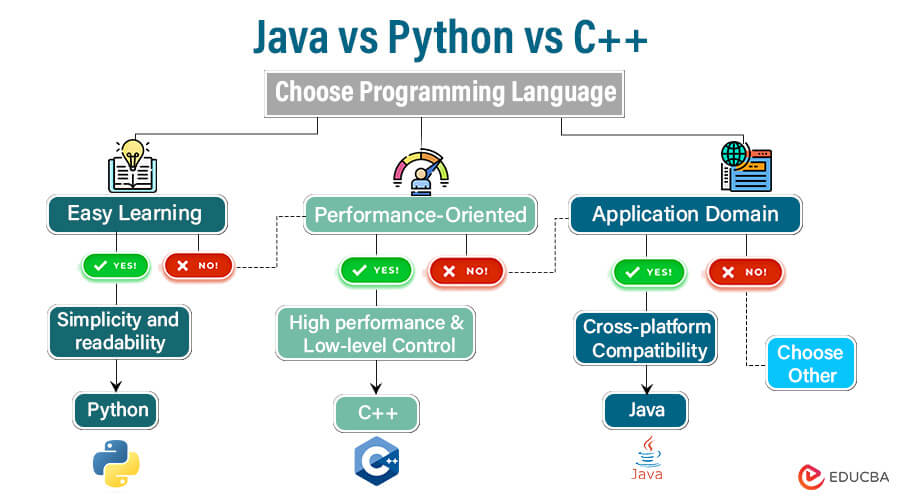
When you write code, specific keywords determine whether your program runs correctly or crashes unexpectedly. Programming languages designate certain words as reserved keywords with predefined meanings that you cannot repurpose as variable names. These reserved terms form the grammatical foundation of programming languages, instructing computers on operations to perform, conditions to evaluate, or structures to implement.
Why You Can’t Use “if” as a Variable Name
You’ll encounter immediate errors if you try using programming keywords like “if,” “else,” or “while” as variable names. These reserved keywords control program flow across numerous languages, while terms like “class” and “function” define code organization structures. The system prevents ambiguity that could lead to unexpected behavior by reserving these terms exclusively for language operations.
Common Programming Keyword Mistakes to Avoid
Many beginners waste hours debugging code due to accidental keyword usage:
– Using “int” as a variable name in C-based languages
– Naming a function “return” in JavaScript
– Creating a class called “private” in Java
– Attempting to use “for” as an identifier in Python
These errors trigger immediate compiler warnings. Professional developers develop fluency with language-specific keywords as part of their core skill set, enabling them to write syntactically correct code efficiently.
Keyword Definition Breakdown: From Cryptography to Digital Search
Your misunderstanding of what constitutes a keyword might be limiting your digital strategy. A keyword operates as a word that serves as a key to understanding meaning across sentences, passages, or entire documents. This foundational definition extends into multiple specialized applications that most people overlook when focusing solely on SEO.
How Keywords Function in Library Science
You’ll find keywords serving as significant or memorable terms in document titles, abstracts, or text that function as index entries for organizing information. Library catalogs rely on these keywords to connect researchers with relevant materials through systematic classification. The efficiency of this system transformed physical libraries and later evolved into digital information management.
Cryptographic Applications You Probably Didn’t Consider
Security professionals use keywords as patterns for transposition procedures or the basis for complex substitution systems in cryptography. When you encrypt messages, specific keywords determine how characters get rearranged or replaced. This specialized application demonstrates how keywords serve as literal “keys” that lock and unlock information—returning to the term’s etymological roots.
Unlock 750+ Long-Tail Keywords Using Google Autocomplete (Free Method)
Most keyword research tools waste your time with generic suggestions that won’t drive targeted traffic. Google Autocomplete reveals actual search queries from real users, providing authentic insights into genuine search demand without commercial bias. The algorithm generates predictions based on historical search frequency patterns without human intervention, making these suggestions highly valuable for content creators.
Step-by-Step Autocomplete Research Process
You can uncover hidden long-tail opportunities in minutes:
1. Open an incognito browser window to avoid personalized results
2. Type your seed keyword followed by a letter (A-Z)
3. Record all autocomplete suggestions that appear
4. Repeat with numbers (0-9) and common prepositions
5. Compile all suggestions into a master list for analysis
This method reveals keywords hidden within autocomplete data but obscured in traditional keyword planning tools. Free versions of keyword tools automate this process, delivering up to 750+ long-tail keyword suggestions for every search term entered.
Why Autocomplete Beats Traditional Keyword Planners
You’ll discover more profitable opportunities with autocomplete research because:
– It reflects genuine user behavior rather than advertiser bid levels
– It reveals long-tail phrases with lower competition
– It shows how people actually phrase their queries
– It uncovers emerging search trends before they appear in keyword planners
Google Keyword Planner intentionally conceals profitable long-tail keywords that could generate significant traffic, favoring broader terms that increase competition and cost-per-click for advertisers.
3 Critical Keyword Research Mistakes That Cost You Organic Traffic

Your current keyword strategy might be failing because you’re making these common but costly errors. Most content creators focus exclusively on search volume while ignoring critical factors that determine whether keywords will actually drive qualified traffic to your site.
Mistake #1: Targeting Only High-Volume Keywords
You’ll waste resources competing for generic terms when long-tail keywords deliver better results. A webpage targeting “keyword research tools” faces enormous competition from established sites, while “best free keyword research tools for small business bloggers” reaches a specific audience with clear intent. Long-tail phrases typically indicate more advanced stages of the buyer journey and convert at higher rates.
Mistake #2: Ignoring Platform-Specific Search Behavior
People search differently across platforms—what works on Google fails on YouTube or Amazon. You must adapt your keyword strategy for each platform:
– YouTube: Focus on question-based phrases (“how to,” “why does”)
– Amazon: Use commercial language shoppers actually employ
– Pinterest: Target inspirational and solution-oriented phrases
– Instagram: Emphasize trending hashtags and casual language
Mistake #3: Keyword Stuffing Instead of Natural Integration
Modern search algorithms penalize artificial repetition of your target keyword. You’ll trigger search penalties if you force keywords unnaturally into content. Instead, integrate keywords contextually where they genuinely enhance understanding and relevance. The most effective approach positions keywords within high-quality content that genuinely addresses user search intent.
Keyword Clustering: Why Grouping Related Terms Boosts SEO Results
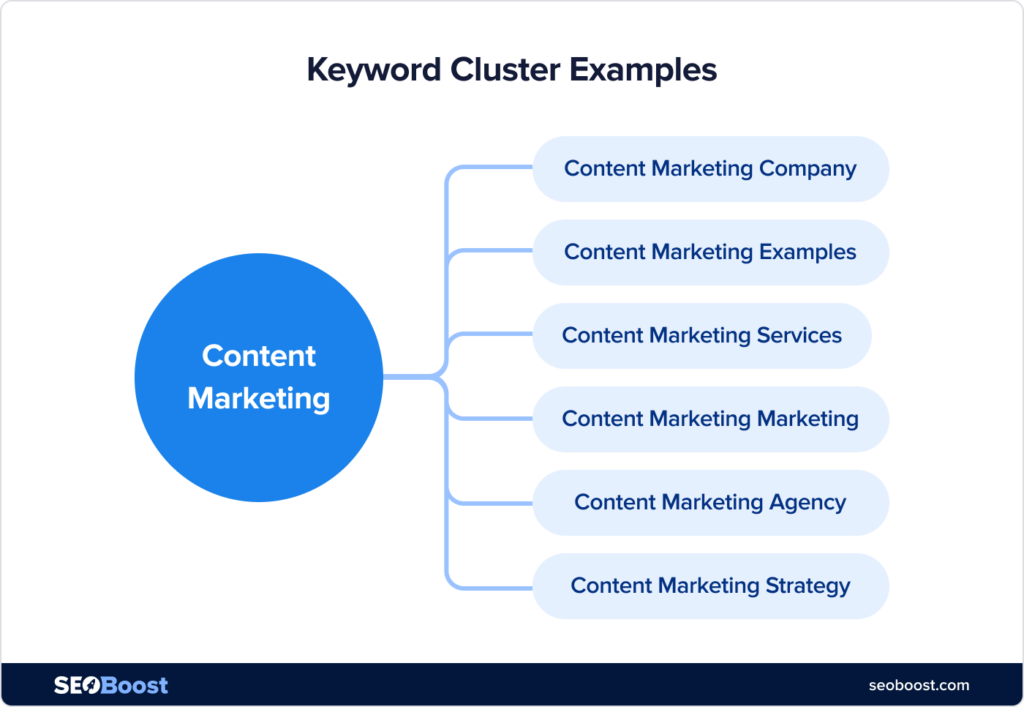
Creating separate content for nearly identical keywords wastes your resources and confuses search engines. Keyword clustering groups semantically related terms together for consolidated targeting, improving efficiency while capturing broader search traffic through comprehensive topical coverage.
How to Build Effective Keyword Clusters
You’ll maximize SEO impact by following this clustering process:
1. Identify your primary topic or pillar content
2. Gather all related keywords using research tools
3. Group keywords by semantic similarity and search intent
4. Create comprehensive content addressing the entire cluster
5. Internal link between related cluster content
This approach prevents the thin content issues that result from creating separate pages for nearly identical keywords. Search engines reward comprehensive topical coverage with higher rankings across all related terms.
International Keyword Research: Capture Traffic Across 192 Google Domains
Your business could be missing global opportunities by ignoring regional keyword variations. Leading keyword research tools support extraction from 192 Google domains and 83 language interfaces, ensuring your keywords remain relevant to specific geographic and linguistic target markets.
Action Steps for International Keyword Implementation
You’ll expand your global reach by:
– Researching keywords in local language variants
– Identifying country-specific search behaviors
– Creating geo-targeted content clusters
– Implementing hreflang tags correctly
– Monitoring performance across regions
Paid subscriptions extend this functionality to provide accurate search volume data across 68,000 individual locations and 46 languages. This level of specificity transforms generic international strategies into targeted campaigns that resonate with local audiences.
AI Screening Systems and the Evolving Role of Keywords in Hiring
Your resume might be automatically rejected because you’re missing critical keywords that AI screening systems prioritize. Organizations increasingly employ AI to screen applications, creating incentives to strategically incorporate relevant terms while maintaining authenticity.
How to Optimize for AI Screening Without Keyword Stuffing
You’ll improve your chances with these balanced approaches:
– Include job description keywords naturally in your experience section
– Use industry-specific terminology where genuinely applicable
– Focus on demonstrating skills rather than forced keyword repetition
– Maintain readability for human reviewers who follow AI screening
This evolving landscape requires understanding how keywords function in automated systems while preserving the authenticity that human decision-makers value. The most successful approaches balance technical optimization with genuine representation of your qualifications.
Final Note: Mastering keywords requires understanding their multifaceted applications across computing, linguistics, and digital marketing. By implementing strategic research methods, avoiding common pitfalls, and adapting to platform-specific behaviors, you’ll transform how your content gets discovered and engaged with. Regularly monitor your keyword performance metrics and adjust your strategy as search trends evolve—remember that sustainable success comes from aligning keyword usage with genuine user needs rather than manipulation tactics.