
Your regular backpack might work for daily commutes, but a dedicated men’s travel rucksack transforms how you move through airports, explore new cities, and carry everything needed for adventures near or far. Unlike standard backpacks designed for everyday use, travel rucksacks combine rugged durability with intelligent organization systems, weather-resistant materials, and ergonomic support that handles heavy loads comfortably over extended periods. Whether you’re a business traveler navigating airport terminals or an adventure seeker trekking through varied climates, finding the right men’s travel rucksack directly impacts your travel experience and belongings’ safety.
The market spans from budget options under $100 to professional-grade bags exceeding $500, with significant differences in materials, construction quality, and long-term reliability. Understanding these differences prevents costly mistakes and ensures your investment pays dividends through years of dependable service. This guide examines exactly what you need to know to select the perfect men’s travel rucksack for your specific travel style, budget, and durability requirements.
Why Your Regular Backpack Fails During Travel (And What to Use Instead)
Men’s travel rucksacks differ fundamentally from ordinary backpacks through engineering designed specifically for travel demands. Standard backpacks prioritize casual use and light loads, while travel rucksacks accommodate the unique challenges of transporting belongings through airports, hotels, and varied transportation methods while protecting electronics, clothing, and valuables.
The defining characteristics of purpose-built travel rucksacks begin with industrial-grade materials like Cordura ballistic nylon, providing exceptional abrasion resistance and tear strength that withstands rough handling. Reinforced stitching at stress points, heavy-duty zippers rated for thousands of cycles, and compression systems that stabilize contents all contribute to bags that maintain structural integrity despite continuous use. These construction standards explain why quality travel rucksacks often outlast multiple cheaper alternatives.
Ergonomic support systems distinguish travel rucksacks through padded shoulder straps contoured to natural shoulder curvature, adjustable chest straps preventing strap sliding, and hip belts on larger models that transfer heavy loads from shoulders to stronger hip muscles. These features become essential when carrying 15-30 pounds of gear through airport terminals, reducing fatigue and preventing the shoulder and back pain that plagues travelers using inadequately designed bags.
Water Protection That Actually Works
Weather resistance represents another critical differentiator that makes or breaks your travel experience. Quality travel rucksacks incorporate waterproof coatings, waterproof zippers like AquaGuard implementations, and water-resistant fabric constructions that protect belongings during unexpected rain or humid conditions.
Unlike standard backpacks where water seeps through seams and zippers, purpose-built travel rucksacks maintain dry interiors even during heavy downpours. This protection proves invaluable for electronics, documents, and clothing that cannot be easily replaced or dried during trips. If you’ve ever arrived at your destination with damp socks and electronics wrapped in plastic bags, you understand why this feature is non-negotiable for serious travelers.
7 Must-Have Features in a Men’s Travel Rucksack That Lasts

Understanding essential features helps you evaluate options systematically rather than relying solely on appearance or price. The following elements determine whether a rucksack serves your travel needs effectively or creates frustrations during every trip.
Laptop protection stands as a non-negotiable feature for most travelers. Quality rucksacks include dedicated compartments with padded walls and suspended positioning that keeps devices away from bag bottoms where impacts concentrate. These compartments typically accommodate laptops from 13-inch notebooks to 17-inch workstations, with separate access points allowing laptop retrieval without opening the main compartment—streamlining airport security screening.
Organization systems address the challenge of maintaining order during transit while providing quick access to frequently needed items. Primary compartment designs range from single large-volume spaces to multi-zone configurations with separate sections for different gear categories. Interior pockets and organizers keep small items like cables and documents from creating clutter.
External accessibility determines how easily you access items during travel. External pockets provide quick storage for passports, boarding passes, and phones. Compression straps reduce bag volume when carrying less than full capacity, preventing contents from shifting and maintaining profiles that fit more easily in overhead bins.
26L Rucksacks: The Goldilocks Size for Carry-On Travelers

The 20L to 30L capacity range represents the most popular segment for men’s travel rucksacks, balancing sufficient storage for multi-day trips with carry-on compatibility across most airlines. These bags accommodate 3-5 days of clothing, toiletries, electronics, and travel accessories while maintaining dimensions suitable for overhead bin storage.
The 26L capacity has emerged as a particularly popular choice, offering enough volume for week-long trips while maintaining the compact profile needed for carry-on compliance. Bags in this range typically feature organizational sophistication rivaling larger models—dedicated laptop compartments, multiple interior pockets, and external access features—without the bulk that creates challenges in tight airplane storage spaces.
Material selection in this category significantly impacts bag performance:
- Standard ballistic nylon Cordura (1000D or 500D) provides excellent durability for heavy-use applications
- Waterproof XPAC variants incorporate technical fabric technology with polyurethane laminates that create waterproof barriers
- Lightweight Ripstop ROBIC options prioritize minimal weight for travelers counting every ounce
How to Verify True Carry-On Compliance
Don’t assume all 26L bags fit airline restrictions—always check specific dimensions before purchasing. Most airlines require bags no larger than 22″ x 14″ x 9″, but regional carriers often enforce more restrictive limits. Measure potential purchases against your most frequently used airline’s specifications, paying particular attention to the expanded dimensions when fully loaded.
Ballistic Nylon vs Dyneema: Which Material Wins for Your Travel Rucksack?
Material selection fundamentally determines your rucksack’s durability, weight, and weather resistance. Understanding material differences enables informed decisions matching performance characteristics to your specific travel requirements.
Cordura ballistic nylon represents the foundational material for most quality travel rucksacks, using high-tenacity nylon fiber technology that provides exceptional abrasion resistance. Denier ratings indicate fiber thickness—1000D Cordura offers maximum durability for heavy-use applications, while 500D variants provide adequate protection with reduced weight.
Dyneema composite material represents the pinnacle of lightweight strength, offering tensile strength fifteen times greater than steel by weight. When used in rucksack construction, Dyneema dramatically reduces overall bag weight while maintaining or exceeding the strength of heavier conventional materials. The material’s hydrophobic properties provide inherent water resistance.
Heritage waxed canvas draws from traditional materials, utilizing cotton canvas treated with wax compounds that repel water while developing a unique patina over time. Each bag develops individual character based on use patterns, creating personalized aesthetics unavailable with synthetic materials.
Budget vs Premium Travel Rucksacks: What $100 vs $500 Really Gets You
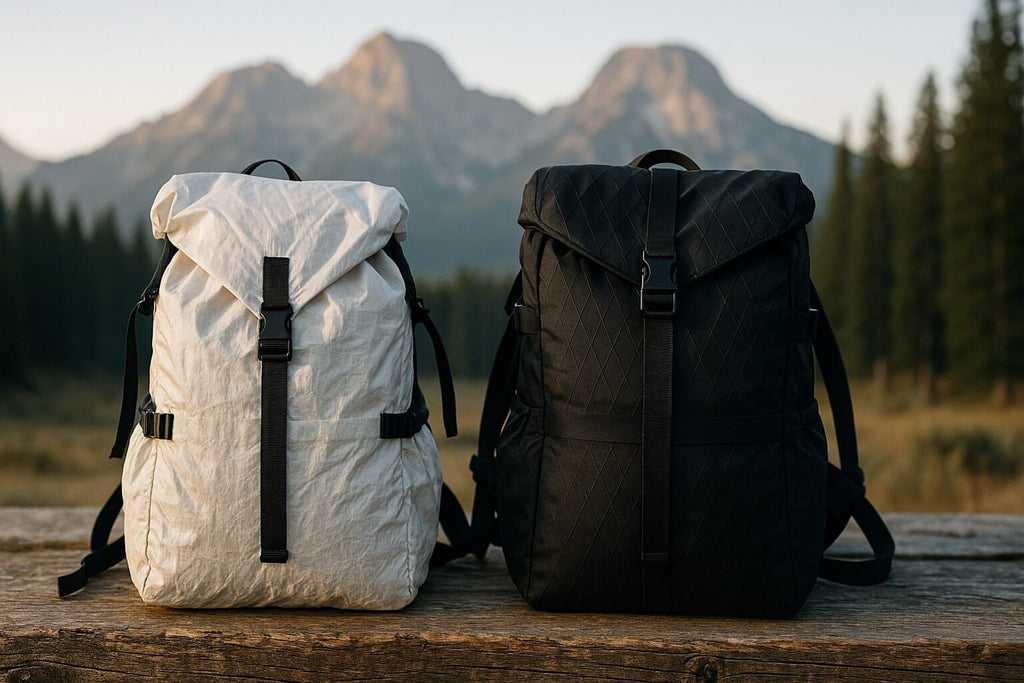
The men’s travel rucksack market exhibits significant price stratification reflecting material quality, construction methodology, and long-term durability. Understanding what you receive at different price points enables investment decisions aligned with your travel frequency and durability requirements.
Budget options under $100 serve occasional travelers adequately but typically feature lower-grade materials and simpler construction. These bags work well for travelers taking one or two trips annually but often require replacement every few years.
Mid-tier options from $150 to $300 provide solid performance for regular business and leisure travel. Products in this range typically offer adequate durability for frequent use, features suitable for most travel scenarios, and warranties ranging from 2-10 years.
Premium tactical-grade rucksacks from $300 to $600 target serious travelers who depend on their gear daily. These products feature professional-grade materials, construction methodology adapted from military specifications, and comprehensive warranties. The cost-per-year calculation often favors premium options for frequent travelers—a $100 bag requiring replacement every 2-3 years costs $33-50 annually, while a $400 bag lasting 10-15 years costs $27-40 annually.
3 Simple Steps to Make Your Men’s Travel Rucksack Last 10+ Years
Proper care extends your rucksack’s lifespan significantly and ensures continued protection for your belongings. Simple maintenance practices require minimal time investment while preventing degradation that leads to premature replacement.
Regular cleaning preserves material properties and prevents odor accumulation. Most travel rucksacks clean effectively with mild soap and water applied with a soft brush or cloth. Machine washing is generally not recommended, as agitation and heat can damage coatings, zippers, and structural elements.
Material-specific maintenance addresses unique needs:
– Waxed canvas requires periodic rewaxing to maintain water resistance
– XPAC and waterproof materials benefit from periodic DWR treatment
– Ballistic nylon needs minimal maintenance beyond occasional cleaning
Proper storage between uses preserves bag condition. Store bags clean and completely dry, with interiors stuffed to maintain shape. Cool, dry storage environments prevent UV damage and material degradation. Hanging storage prevents compression damage that occurs when bags are stored flat under heavy items.
Selecting the right men’s travel rucksack requires balancing capacity needs against carry-on constraints, prioritizing features matching your travel style, and investing appropriately for your usage frequency. Compact 10-18L rucksacks suit minimal travelers, medium 20-30L bags serve most travelers well, and large 35-50L options accommodate extended journeys. Material selection should match environmental expectations—Cordura for general use, waterproof variants for wet conditions, Dyneema for weight-conscious travelers. With proper selection and maintenance, a quality men’s travel rucksack serves reliably across years of adventures, developing character through use while protecting your belongings. The investment in finding the right bag pays dividends in travel comfort, belongings security, and long-term value that justifies careful consideration of your specific needs.