
You’re standing at the airport gate with your current bag digging into your shoulder, realizing it’s too bulky for overhead bins yet too flimsy for your laptop. That moment when your belongings threaten to spill out as you rush through security—that’s the exact pain point that makes finding the right men’s travel satchel so critical. A well-chosen satchel solves these problems by offering the perfect balance between professional appearance and practical functionality, transforming chaotic travel days into seamless experiences. In this guide, you’ll discover exactly what separates a genuinely useful men’s travel satchel from those that merely look good in photos but fail when you need them most.
Most travelers don’t realize how much their bag choice impacts their entire journey until they’re struggling with the wrong one. The ideal men’s travel satchel isn’t just about aesthetics—it needs to withstand daily wear while keeping your essentials organized and accessible. Whether you’re a frequent business traveler, weekend adventurer, or digital nomad, the right satchel becomes an extension of your personal style while serving your practical needs. We’ll walk through every consideration from material durability to compartment organization, ensuring you never waste money on another impractical bag again.
How to Identify High-Quality Materials for Your Men’s Travel Satchel
The foundation of any reliable men’s travel satchel lies in its materials—cheap fabrics fray, weak stitching unravels, and flimsy hardware fails when you need it most. Genuine leather develops character with age while maintaining structural integrity, but full-grain leather offers superior durability compared to corrected or bonded varieties that peel over time. For travelers who prioritize lightweight functionality, water-resistant nylon with reinforced stress points provides excellent protection against the elements without adding unnecessary weight.
What to Look for in Leather Construction
Full-grain leather satchels develop a distinctive patina that enhances appearance with use, but you must verify the leather’s thickness—anything under 2.5mm will stretch and lose shape prematurely. Check stitching quality by examining the thread density; high-end satchels feature at least 8-10 stitches per inch using bonded nylon thread that won’t rot or weaken. Pay special attention to stress points like strap attachments and pocket openings where inferior bags commonly fail. A quality men’s travel satchel should feel substantial but not unwieldy when empty, with smooth zipper operation that won’t snag on fabric.
Synthetic Material Options for Practical Travelers
If you prefer non-animal materials, look for 1680D ballistic nylon with a weather-resistant coating that repels light rain without feeling plasticky. The interior lining matters just as much as exterior fabric—ripstop polyester prevents small tears from becoming major damage. Travelers who frequently encounter wet conditions should prioritize satchels with sealed seams and waterproof zippers, though these features typically add 10-15% to the overall weight. Avoid bags with excessive exterior pockets that collect dirt and wear faster than main compartments.
Essential Size Considerations for Airplane-Friendly Men’s Travel Satchels

Your satchel must comply with airline personal item restrictions while still holding everything you need for the day—this delicate balance separates functional travel bags from impractical fashion statements. The sweet spot for most airlines is 18 x 14 x 8 inches (45 x 35 x 20 cm), but always verify specific carrier requirements as budget airlines often enforce stricter limits. Measure your laptop before purchasing; a 15-inch computer requires at least 16-inch width in the padded compartment to avoid forcing it in and damaging both device and bag.
Maximizing Space Without Sacrificing Comfort
A properly designed men’s travel satchel distributes weight evenly across your shoulder rather than digging in after 20 minutes of wear. Look for contoured shoulder straps with 1.5-inch minimum width and breathable padding that won’t slip off jackets. The ideal depth ranges between 5-7 inches—anything deeper becomes difficult to retrieve items from and exceeds most airline restrictions when packed. Test the bag with your typical load: laptop, tablet, water bottle, and jacket should fit without bulging seams or straining zippers. Remember that a slightly underfilled satchel looks more professional than one overstuffed to the point of bursting.
Critical Organizational Features Every Men’s Travel Satchel Needs
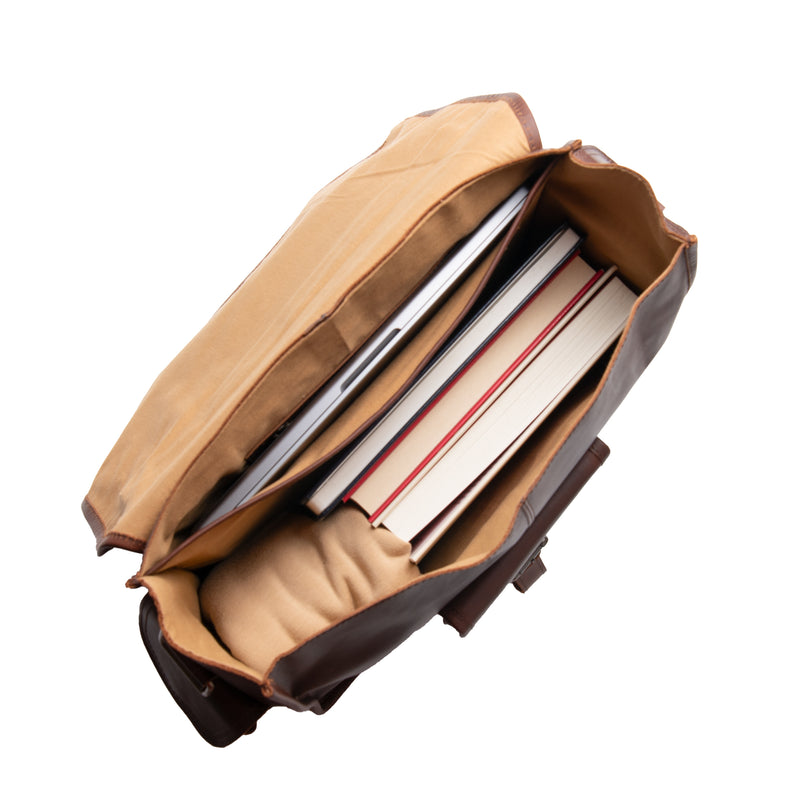
Disorganized bags create travel chaos—missing boarding passes, tangled cords, and frantic searches through unrelated compartments. The best men’s travel satchels feature dedicated, easily accessible sections for each category of item, with thoughtful placement that follows how you actually use your belongings during transit. A padded laptop sleeve should open flat for security checks without requiring you to remove your computer, while a quick-access front pocket keeps passports and tickets within immediate reach.
Must-Have Compartment Layout for Business Travelers
Your laptop deserves its own suspended compartment with neoprene padding that protects against impacts without adding bulk. A secondary tablet sleeve should sit adjacent for easy access during flights. Dedicated pen slots, business card holders, and a key leash prevent small items from disappearing into bag depths. Most importantly, look for a garment sleeve on the back that slides over suitcase handles—this transforms your satchel from a carry-on into an integrated travel system. Avoid compartments with excessive dividers that make packing feel like solving a puzzle rather than preparing for a trip.
Security-Focused Features for International Travel
RFID-blocking pockets protect credit cards and passports from electronic pickpockets in crowded terminals. Hidden exterior pockets on the back panel provide safe storage for emergency cash or backup documents. Look for lockable zippers on main compartments when traveling through high-risk areas, but verify they work smoothly before relying on them mid-journey. Water bottle holders should be collapsible to avoid catching on baggage carousel machinery or creating imbalance when empty.
How to Properly Maintain Your Men’s Travel Satchel for Longevity
Even the highest quality men’s travel satchel will deteriorate quickly without proper care—daily wear takes its toll through dirt accumulation, moisture exposure, and mechanical stress. Leather satchels require conditioning every 3-6 months with products specifically formulated for the type of leather used, while synthetic bags need regular cleaning to prevent fabric breakdown from oils and environmental pollutants. Never store your satchel compressed or stuffed in a closet; instead, maintain its shape with acid-free tissue paper and keep it in a breathable cotton bag away from direct sunlight.
Cleaning Techniques for Different Materials
For leather satchels, use a slightly damp microfiber cloth to remove surface dirt before applying conditioner—never spray liquids directly onto the material. Test any cleaning product on an inconspicuous area first to avoid discoloration. Synthetic fabric satchels can withstand more aggressive cleaning: mix mild soap with cool water, gently scrub affected areas with a soft brush, then air dry away from heat sources. Always empty all compartments and remove loose debris before cleaning, paying special attention to zipper tracks where dirt accumulates and causes malfunctions.
Best Men’s Travel Satchels for Specific Travel Scenarios
Your ideal satchel changes dramatically based on travel purpose—what works for a transatlantic business trip fails miserably on a weekend hiking excursion. Identify your primary use case before shopping, as hybrid bags often compromise on critical features needed for specific situations. Business travelers need professional aesthetics with tech organization, while adventure seekers require weather resistance and rugged construction. Digital nomads benefit most from convertible designs that transition seamlessly between café workspaces and urban exploration.
Business Traveler’s Ideal Setup
Choose a structured satchel in neutral tones (charcoal, navy, or brown) that complements business attire without screaming “laptop bag.” A 15-inch laptop compartment is essential for most professionals, with additional space for documents up to letter size. Look for a discreet exterior pocket for business cards that opens with one hand during networking opportunities. The shoulder strap should detach cleanly for briefcase-style carrying during client meetings. Avoid anything with visible branding larger than a subtle logo patch—executives notice these details.
Weekend Adventure Companion
For short trips where you’re carrying everything on your back literally, prioritize water resistance and quick-dry materials over formal appearance. A convertible satchel that transforms into a backpack provides flexibility when navigating crowded markets or hiking trails. Look for exterior lash points for attaching additional gear and a hidden pocket for securing valuables in developing countries. Size becomes less critical than weight distribution—aim for under 3 pounds empty to avoid fatigue during extended wear. Earth tones or muted colors show less dirt during multi-day adventures.
When to Replace Your Men’s Travel Satchel Before It Fails Mid-Trip
Even well-maintained satchels reach their expiration date—recognizing the warning signs prevents embarrassing failures at security checkpoints or during important presentations. Fraying straps, stiff zippers, and stretched leather are obvious indicators, but pay attention to subtler signs like reduced water resistance in synthetic bags or developing weak spots at stress points. Most quality men’s travel satchels last 3-5 years with daily use, but frequent travelers may need replacement after 18-24 months of heavy duty.
Critical Failure Points to Monitor
Inspect strap attachments monthly by gently pulling on each connection point—any movement beyond 1/8 inch indicates imminent failure. Test zippers by opening and closing each compartment 5 times; hesitation or resistance means it’s time for replacement. Leather satchels develop hairline cracks in high-flex areas like flap folds when nearing the end of their lifespan. Never wait for complete failure—replace your primary travel bag during a quiet travel period rather than risking breakdown during an important trip.
Final Note: The right men’s travel satchel pays for itself through reduced stress, increased efficiency, and professional presentation during every journey. By prioritizing quality materials, appropriate sizing, and purpose-built organization, you’ll transform your travel experience from a logistical challenge into a seamless extension of your personal style. Regular maintenance extends your satchel’s lifespan while preserving its appearance, ensuring it remains a reliable companion through countless adventures. When shopping for your next satchel, focus on how it solves your specific travel pain points rather than chasing trends—your future self will thank you at 30,000 feet with everything exactly where you need it.