
Your feet carry you through airports, city streets, and mountain trails, yet most travelers overlook one of the simplest ways to enhance comfort: the right pair of men’s travel socks. Forget ordinary socks that leave you with damp, blistered feet after a few hours—specialized travel socks manage moisture, prevent odors, and provide targeted cushioning exactly where you need it. A quality pair transforms long-haul flights from endurance tests into comfortable experiences and turns day-long sightseeing adventures into enjoyable explorations rather than painful marathons. This guide reveals exactly what makes men’s travel socks different and how to select the perfect pair for your next adventure.
Why Standard Socks Fail During Travel
When you sit for hours on a plane or train, your feet swell while moisture builds up inside your shoes. Regular cotton socks absorb this sweat but can’t wick it away, creating a damp environment that leads to blisters and discomfort. Unlike everyday socks, men’s travel socks use advanced materials and construction specifically engineered to handle the unique challenges of life on the move. The right pair keeps your feet dry, fresh, and comfortable regardless of whether you’re navigating crowded terminals or hiking scenic trails.
Merino Wool vs. Synthetics: Which Material Wins for Travel?

How Merino Wool Keeps Feet Comfortable in Any Climate
Merino wool outperforms traditional materials by actively regulating temperature—keeping feet warm in chilly airplane cabins while preventing overheating during warm-weather adventures. The natural crimp in merino fibers creates air pockets that provide insulation without bulk, making these men’s travel socks suitable for year-round journeys. Unlike standard wool, merino fibers are fine enough to feel soft against skin without causing irritation. Most importantly, merino naturally resists odor-causing bacteria, allowing you to wear the same pair multiple days without embarrassment—a game-changer for extended trips with limited laundry access.
Synthetic Blends That Dry Faster Than Natural Fibers
Modern performance synthetics like polyester and nylon excel at moving moisture away from your skin to the sock’s outer surface where it evaporates quickly. These men’s travel socks maintain their shape better than natural fibers through repeated washings and resist shrinking when exposed to moisture. Look for blends incorporating a small percentage of elastane for improved stretch recovery, ensuring your socks hug your feet properly without slipping down during long walks. While they don’t match merino’s natural odor resistance, many synthetics now include antimicrobial treatments that significantly extend wearable time between washes.
Crew vs. No-Show: Finding Your Perfect Travel Sock Length

Eliminate Blister Risk with Proper Sock Height for Different Footwear
No-show socks disappear below your shoe line but provide minimal protection against shoe friction—ideal for warm weather but risky for active travel where debris might enter your footwear. Ankle-length socks offer basic coverage while maintaining breathability, making them suitable for casual sneakers during city exploration. Crew socks rise to mid-calf, providing comprehensive protection that prevents debris entry during outdoor adventures and offers additional ankle support through their higher construction. The often-overlooked quarter sock strikes the ideal balance for many travelers, extending just past the ankle bone to prevent shoe rub without excessive bulk in dress shoes.
How Proper Fit Prevents Common Travel Foot Problems
Socks that are too tight restrict circulation during long periods of sitting, while loose socks bunch and create pressure points that lead to blisters. Quality men’s travel socks feature reinforced heel and toe pockets that maintain their shape over time, preventing the thinning that makes cheaper socks uncomfortable after limited wear. Measure your foot while standing to account for natural swelling during travel days, and select socks designed for your specific shoe type—hiking socks need different construction than those meant for dress shoes.
Business Traveler’s Guide to Discreetly Technical Dress Socks
Professional Appearance Without Sacrificing Performance Features
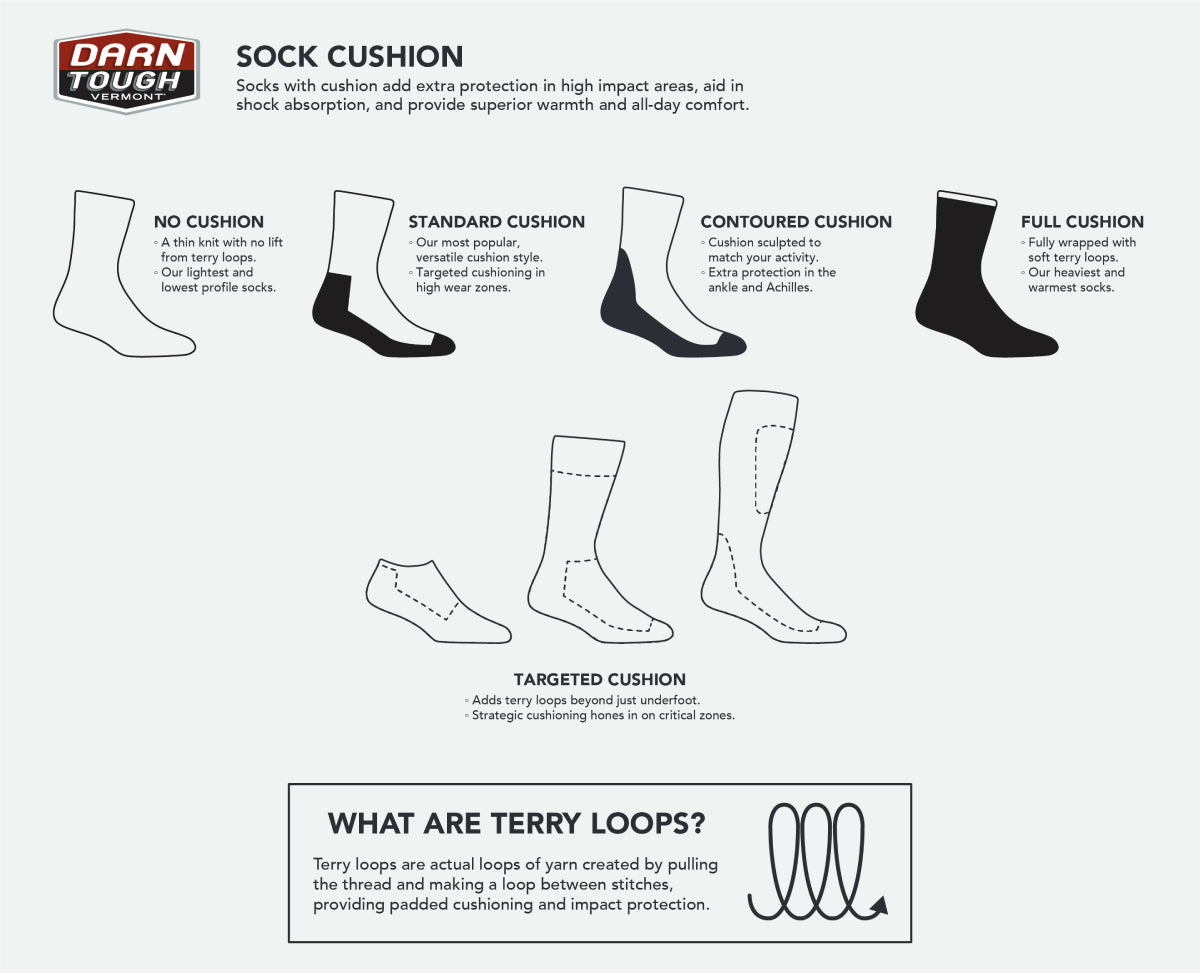
Business travelers need men’s travel socks that look appropriate with dress shoes while delivering technical benefits. Opt for subtle colors like navy, charcoal, or dark gray in merino or synthetic blends that resist wrinkling and maintain shape after hours of wear. These performance dress socks should feature light cushioning to prevent bulk in formal footwear while still providing adequate comfort for long days on your feet. Look for flat-seam construction that eliminates pressure points against sensitive skin, especially important when wearing tighter dress shoes.
How to Pack Smart for Back-to-Back Meetings After Long Flights
Carry at least two pairs of dress socks in your carry-on luggage to change into after long flights when feet inevitably swell. This simple step prevents the discomfort of tight shoes against swollen feet and keeps you looking polished for immediate post-flight meetings. Choose socks with moderate compression that improves circulation during extended sitting without appearing medical or out of place in professional settings.
Adventure Travel Socks That Handle Real Trail Conditions
Reinforced Construction for Hiking and Outdoor Exploration
When your travels involve physical activity, men’s travel socks need strategic reinforcement in high-wear zones like heels and toes. Look for double-stitched seams and extra padding in impact areas that absorb shock during long hikes while maintaining breathability elsewhere. Seamless toe closures prevent the rubbing that causes hot spots during extended wear. For wet conditions, prioritize quick-drying synthetics over merino, which retains moisture longer when thoroughly saturated.
Temperature Regulation for Changing Mountain Climates
Pack versatile men’s travel socks that perform across temperature ranges rather than bringing separate thick and thin options. Mid-weight merino blends work well for most conditions, providing warmth when needed while wicking moisture during exertion. Consider bringing one pair of heavier wool socks for extremely cold conditions and one pair of ultralight options for tropical destinations, but rely on your versatile mid-weight pairs for the majority of your trip.
Avoid These 3 Costly Sock Mistakes Travelers Make
The Cotton Trap: Why Your Favorite Everyday Socks Fail on Trips
Cotton absorbs moisture but doesn’t wick it away, leaving feet damp and prone to blisters during long days. The material retains odors more readily than performance alternatives, making cotton socks unsuitable for multi-day trips without laundry access. Reserve cotton for short, low-activity journeys rather than relying on them as your primary men’s travel socks.
Size Mismatch: How Ill-Fitting Socks Ruin Your Comfort
Different sock brands fit differently, and your size may vary across manufacturers. Take time to try socks on with your typical travel footwear before your trip. Socks that are too large slip and create friction points, while those that are too tight restrict circulation—both lead to discomfort and potential foot problems during travel.
Quantity Underestimation: Running Out of Clean Socks Mid-Trip
Pack one pair per day minimum for trips with laundry access, or plan for multi-day wear with high-performance socks when laundry isn’t available. Having just one backup pair prevents desperate situations where you must wear damp or heavily worn socks. Quality men’s travel socks with antimicrobial properties can comfortably be worn multiple days in a row, reducing your overall packing needs.
Extend Your Sock’s Lifespan with Proper Travel Care
Washing Techniques That Maintain Technical Performance
Most performance men’s travel socks require gentle cycles and cool temperatures to preserve their technical features. Hot water damages elastic fibers and degrades antimicrobial treatments over time. Use mild detergents without harsh chemicals and avoid fabric softeners, which leave residue that interferes with moisture-wicking capabilities. Hand washing in hotel sinks with travel-sized detergent works well when machine access is limited.
Drying Methods That Prevent Premature Wear
Air drying preserves elastic properties better than machine drying, but when time is limited, use the lowest heat setting possible. Never leave socks in direct sunlight for extended periods, as UV exposure weakens fibers over time. Quick-drying socks that air overnight provide convenience without requiring machine access—essential for travelers on extended trips.
Final Selection Strategy for Your Travel Frequency
For occasional travelers, mid-range merino or synthetic blends deliver the best value, offering meaningful performance improvements without premium prices. Frequent travelers benefit from investing in premium technical socks that provide superior comfort and longevity, often outlasting multiple pairs of economy options. Regardless of your travel frequency, rotate between multiple pairs to extend their lifespan and maintain optimal performance. Your feet—your most essential travel equipment—deserve the comfort that comes from thoughtful men’s travel socks selection. The right pair transforms every journey from a test of endurance into an enjoyable experience.