
Your first RV adventure should be about freedom and discovery, not roadside emergencies and costly repairs. After helping thousands of new RVers navigate their maiden voyages, I’ve identified the critical rv travel tips that separate smooth journeys from disaster scenarios. You’ll learn exactly how to plan routes that accommodate your rig’s limitations, pack only essential gear, and avoid the expensive pitfalls that plague first-time travelers. Let’s transform your RV from intimidating to inviting.
Plan Routes That Prevent Roadside Emergencies
Skip Standard Navigation Apps for RV-Specific Tools
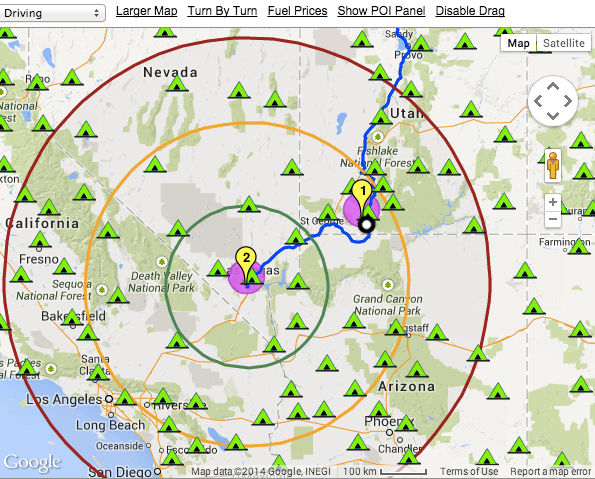
Google Maps and Waze will route your 35-foot motorhome under 12-foot bridges and through weight-restricted tunnels. RV Trip Wizard and CoPilot RV automatically adjust for your specific vehicle dimensions—input your exact height, weight, and length before departure. These specialized apps warn about low clearances, steep grades, and propane-restricted roads that could strand you miles from help.
Garmin RV GPS units provide real-time alerts for dangerous conditions. Download offline maps before departure—cell service often disappears precisely when you need directions most, leaving you stranded on narrow mountain passes.
Cap Daily Driving at 250 Miles Maximum
The temptation to cover ground quickly leads to dangerous fatigue behind the wheel. Limit daily travel to 200-250 miles to maintain alertness and allow time for unexpected discoveries. Mountain passes alone can reduce your speed to 35 mph, turning a 200-mile trip into an 8-hour marathon.
Build flexibility into every destination by identifying 2-3 backup campgrounds within 50 miles. Popular spots fill fast during summer months, and weather can force last-minute route changes that leave you searching for options after dark.
Pack Gear That Prevents Catastrophic Failures
Fire Safety: Go Beyond Basic Extinguishers
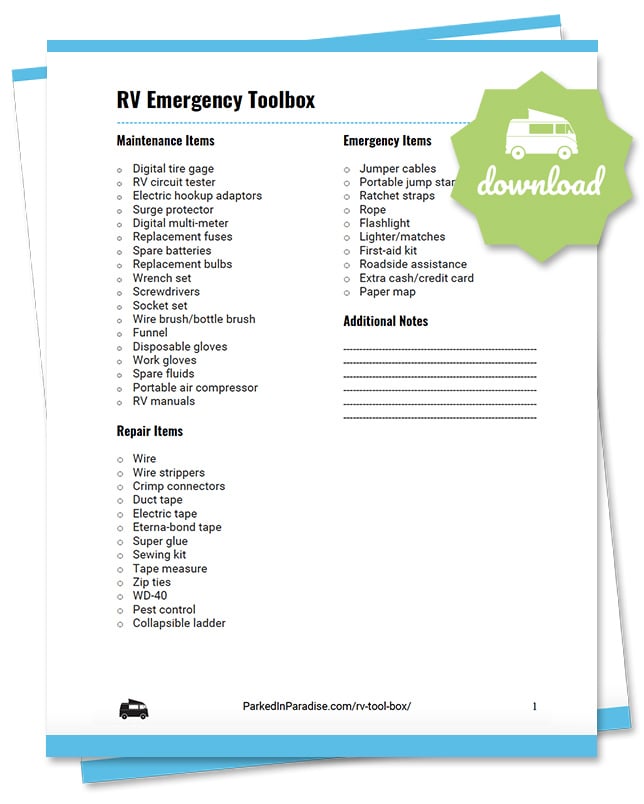
Mount two fire extinguishers minimum—one in the kitchen area and another near sleeping quarters. Check pressure gauges monthly, not just before trips. Replace extinguishers every 6 years regardless of use, as the chemicals degrade over time.
Install carbon monoxide and propane detectors in living areas and bedrooms. Test them monthly using the test button, replace batteries bi-annually, and swap entire units every 5-7 years as sensors lose accuracy. These simple steps could save your life while sleeping.
Leveling Systems That Actually Work on Uneven Sites
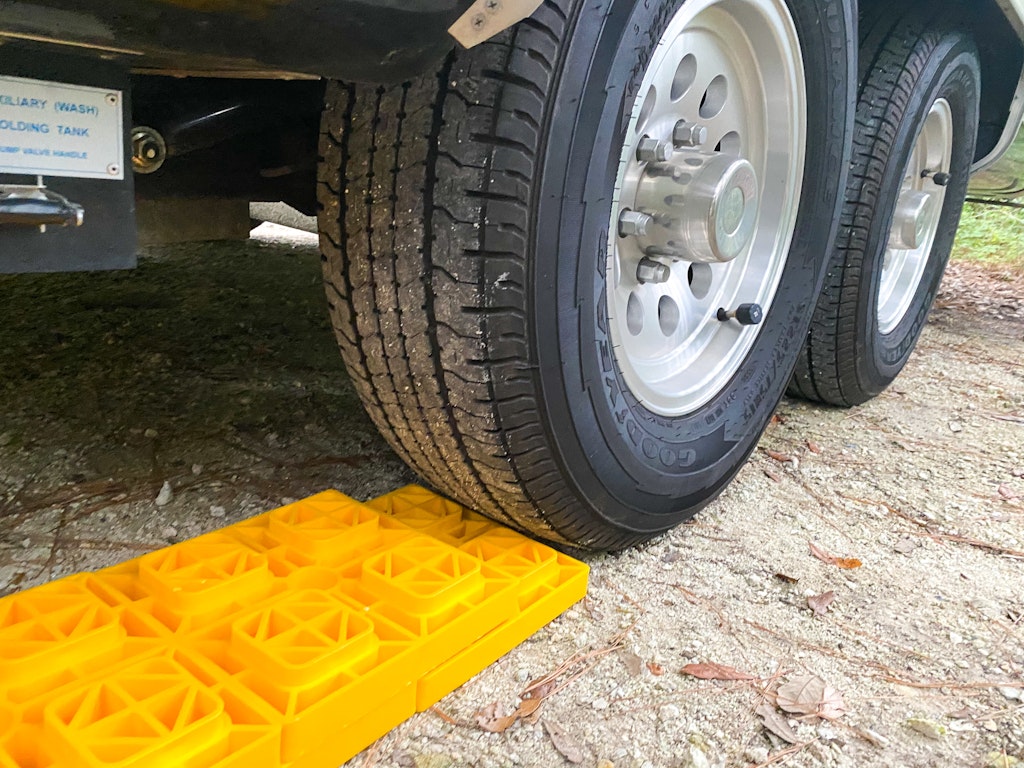
Carry 20 Lynx Levelers for dual-axle rigs—these interlocking blocks handle uneven campsites safely without collapsing. Never exceed 4.5-inch stack height; higher stacks become unstable and dangerous. Your automatic leveling system might fail, so pack a basic 4-ton bottle jack and wheel chocks as backup. Practice manual leveling in your driveway before your first trip to avoid frustration at your destination.
Water System Must-Haves for Safe Drinking Water
White, lead-free drinking water hoses prevent chemical leaching into your freshwater system. Carry both 25-foot and 50-foot lengths—some campsites position spigots awkwardly. Install a water pressure regulator set to 45 PSI maximum. Campground water pressure can spike to 100+ PSI, bursting RV plumbing like overinflated balloons.
Master Driving Techniques for Large Rigs
Pre-Trip Safety Checks That Save Lives
Check tire pressure when cold—morning temperatures provide accurate readings. Use the pressure rating molded on your tire sidewall, not the RV manufacturer’s placard. Inspect for cracks in sidewalls; tires older than 7 years need replacement regardless of tread depth.
Test electric trailer brakes in a safe area. Adjust your brake controller until tires slightly skid when you manually activate brakes at 5 mph. Verify all lights work—carry spare bulbs for common sizes. These simple checks prevent 80% of roadside emergencies.
Navigate Tight Spaces Confidently
Practice the “swing wide” rule: start right turns from the left lane position, watching your trailer’s tail swing during left turns. Use a spotter in parking lots—establish clear hand signals before moving. Maintain 6-second following distance at highway speeds. RVs need 40% more stopping distance than cars, especially when towing. Increase to 8 seconds in rain or mountain descents.
Fuel Planning for Large Rigs
Plan fuel stops every 200 miles maximum—RV fuel gauges read optimistically. Budget 20% worse fuel economy than your empty vehicle’s rating. Mountain driving and headwinds dramatically increase consumption. Use truck stops exclusively—regular gas stations often lack RV-friendly layouts. Flying J and Loves provide dedicated RV lanes with adequate turning radius for large rigs.
Campsite Setup That Prevents Costly Damage
Arrive Like You Belong
Before entering any campsite, conduct a 360-degree walk-around. Check for low-hanging branches, soft ground conditions, and utility access points. Identify your sewer connection location—it determines final parking position. Communicate with your spotter using agreed-upon signals. The “stop” signal overrides everything else. Take your time—rushing causes costly mistakes like backing into picnic tables.
Leveling Sequence That Works Every Time
Park within 6 inches of your final position before starting. Level side-to-side first using blocks under low-side wheels, then front-to-back with tongue jack or leveling jacks. Never use stabilizing jacks for leveling—they’ll bend under the strain. Chock wheels on both sides before unhooking. Even slight slopes can cause trailers to roll—gravity always wins.
Utility Hookup Order Matters
Connect utilities in this sequence: level RV, connect electricity (test polarity), attach water hose with pressure regulator, then sewer (ensure downhill flow). This prevents cross-contamination and electrical damage. Keep black tank valves closed until 2/3 full. This allows solids to break down properly and prevents pyramid plugs that require expensive professional cleaning.
Daily Routines That Extend Your Adventure
Kitchen Operations That Conserve Resources
Pre-cool your refrigerator 24 hours before departure—never turn it on during travel. Use small battery fans inside to improve circulation; RV fridges cool unevenly without airflow. Plan one-pot meals to minimize water usage and cleanup. Cast iron pans work on both propane stoves and campfires. One 20-pound propane tank lasts 7-10 days with normal cooking—monitor levels weekly.
Water Conservation Tricks for Extended Stays
Master the “navy shower”: wet down, turn water off, soap up, then quick rinse. Use dishpans for dishwashing—capture rinse water for toilet flushing. This extends boondocking from 2 days to 5 days on a single freshwater tank. Install 1.5 GPM shower heads and use paper plates to further reduce water usage.
Weekly Maintenance That Prevents Problems
Every Saturday morning, sanitize your freshwater system using 1/4 cup household bleach per 15 gallons of tank capacity. Run water through all faucets, let sit 4 hours, then flush thoroughly. Clean air conditioner filters monthly during heavy use. Clogged filters reduce cooling efficiency by 40% and cause compressor damage.
Troubleshoot Common Issues Fast
Electrical Problems: Quick Fixes
No shore power? Check the campground pedestal breaker first—50% of “RV problems” are actually campground issues. Test your surge protector’s voltage readout; anything below 108V or above 132V can damage appliances. Battery won’t charge? Verify the battery disconnect switch is in “use” position. Many RVs have switches that isolate batteries during storage—new owners often forget to reactivate them.
Plumbing Emergencies Simplified
No water flow from faucets? Check your freshwater tank level first, then verify the water pump switch is on. Look for the pump’s filter—debris clogs these frequently. Bleed air from lines by opening faucets until water flows steadily. Leaking connections need immediate attention. Tighten fittings hand-tight plus 1/4 turn maximum—overtightening cracks plastic fittings.
Budget Travel Like a Pro
Calculate True Trip Costs
Budget $0.50-0.70 per mile for gas RVs, $0.60-0.80 for diesel. Add 20% for mountain driving or headwinds. Campground fees range $25-65 nightly—boondocking on BLM lands costs $0-15. Plan $10-15 daily per person for groceries, $25-40 for restaurant meals. Regional price variations can double food costs in remote areas.
Slash Costs With Memberships
Good Sam Club provides 10% campground discounts at 2,400+ locations—membership pays for itself after 3 nights. Passport America offers 50% discounts but check blackout dates carefully. Fuel savings add up fast with GasBuddy and truck stop loyalty programs. Pilot Flying J’s RV card saves 6-8 cents per gallon with no annual fee.
Your RV adventure awaits, but success depends on preparation, not luck. Start with short weekend trips within 100 miles of home to test systems and build confidence. These close-to-home adventures reveal issues while keeping you near familiar services. Remember: experienced RVers aren’t braver—they’re just better prepared. With these essential rv travel tips mastered, you’re ready to create memories that last far longer than any mechanical hiccup. Safe travels on your new journey!