
You’re perched on a cliff overlooking Santorini as the setting sun sets whitewashed buildings ablaze in golden light. Your camera feels heavy in your hands, but the images on your screen look flat and lifeless—nothing like the magic unfolding before you. If this frustrates you, you’re not alone. Millions of travelers return home with disappointing vacation snapshots that fail to capture the soul of their adventures, whether hiking Patagonia’s trails or wandering Kyoto’s temples. These practical travel photography tips transform ordinary point-and-shoot moments into gallery-worthy images, regardless of your gear or experience level.
Harsh desert sun, sudden monsoons, or cultural sensitivities at sacred sites can derail even the best-laid photography plans. But professional techniques don’t require expensive equipment—just smart strategies tailored to real-world travel challenges. From mastering golden hour lighting to navigating ethical people photography, this guide delivers actionable solutions you can implement immediately. By the end, you’ll confidently capture the essence of any destination, turning fleeting moments into timeless visual stories.
Essential Gear Without the Weight
Smart Packing Strategy
Ditch the DSLR backpack that weighs more than your suitcase. Prioritize versatility: a single 24-105mm zoom lens handles 90% of travel scenarios—from cramped Moroccan medinas to sweeping Icelandic vistas. Pair it with a mirrorless camera body to shed 30-40% weight versus DSLRs while maintaining image quality. Always pack two batteries; cold mountain air drains power 40% faster than room temperature. For critical landscapes, a carbon fiber tripod under 3 lbs provides stability without taxing your shoulders during long hikes.
Camera Choice Matrix
Your destination dictates the ideal tool. Smartphones excel for discreet street food shots in Bangkok markets or instant sharing from Bali cafés—their computational photography often outperforms budget point-and-shoots. Mirrorless systems strike the sweet spot for most travelers, offering DSLR-level quality in half the weight. Reserve DSLRs only for specialized needs like African safari wildlife requiring 400mm+ telephoto reach. Remember: the best camera is the one you’ll actually carry daily.
Camera Settings for Every Situation

Golden Hour Formula
That magical 30-minute window after sunrise or before sunset makes or breaks travel photography. Set aperture to f/8-f/11 for sharp landscape depth, ISO 100-400 for clean shadows, and shutter speed at 1/60s or faster if handheld. Dial white balance to 3200-5500K to enhance warm tones—never rely on auto during golden hour. Position yourself perpendicular to the sun to reveal texture in ancient stone walls or mountain ridges.
Harsh Midday Solutions
When overhead sun creates unflattering shadows in desert landscapes, seek natural reflectors like white-washed buildings or sandy beaches to bounce soft light onto subjects. Drop your perspective to ground level, using flowers or cobblestones as foreground anchors to add depth. Convert high-contrast scenes to black and white in-camera—this turns blown-out skies into dramatic artistic elements. Pro tip: Shoot through shaded doorways to create natural vignettes that frame subjects.
Urban Photography Mastery

Architectural Photography Tricks
Avoid distorted “leaning tower” syndrome by keeping your sensor parallel to building facades. Shoot during golden hour when side-lighting accentuates carved details on European cathedrals or Asian temples. Hunt for reflections in rain puddles after storms to double visual impact, and use leading lines like subway tracks or market aisles to guide viewers through bustling cityscapes. For symmetrical compositions, position yourself dead-center under modern bridges or through palace archways.
Street Photography Ethics
Respect cultural boundaries with the “smile technique”: make eye contact, gesture toward your camera, and smile before shooting. In restrictive regions like parts of the Middle East, learn “Photo?” in the local language—this simple phrase prevents confrontations. When capturing candid moments, pre-focus at 2 meters (zone focusing) and shoot from hip level with a 35mm lens. Always research local laws; photographing government buildings is illegal in countries like Turkey.
Landscape Photography Excellence
Mountain Photography Secrets
Alpenglow—the pink mountain glow 15-30 minutes after sunset—creates ethereal landscape shots. Arrive early to scout foreground anchors like wildflowers or glacial streams that add scale to towering peaks. In freezing conditions, store spare batteries in inner jacket pockets to prevent 40% power loss. Embrace stormy weather; moody clouds over the Andes add drama impossible in clear skies.
Coastal Long Exposures
Smooth ocean water requires a 6-10 stop ND filter during daylight hours—without it, shutter speeds stay too fast. Check tide tables religiously; wet rocks near waterfalls are death traps during high tide. Arrive 30 minutes before low tide for mirror-like reflections on calm bays. Compose using S-curves of coastlines to create natural leading lines, and always shoot vertically to emphasize water movement.
Cultural Photography Sensitivity
Portrait Permission Protocol
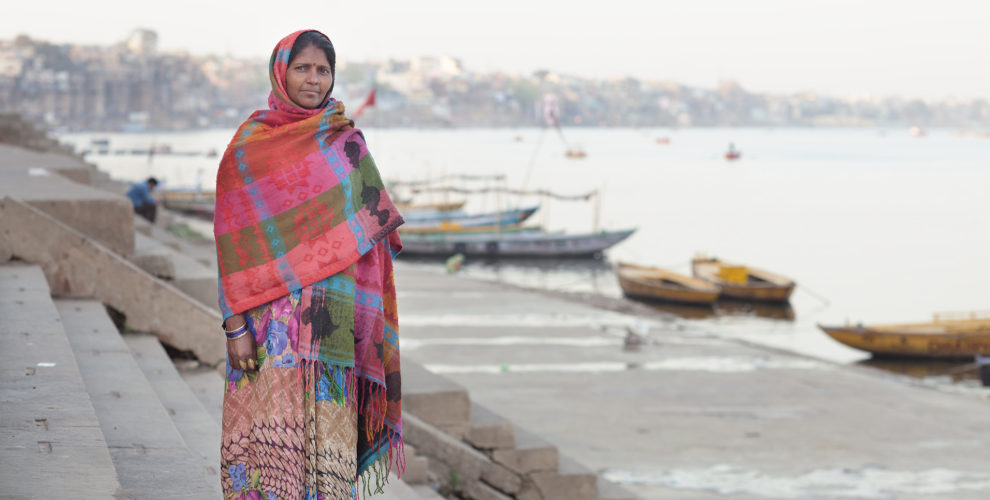
Never snap photos of locals without consent. Approach subjects slowly, point to your camera, and use open palms to signal your request. Have small bills ready for photography permissions in markets—$1-2 USD is standard in Southeast Asia. With children, always secure parent approval first. In conservative cultures like Rajasthan, India, avoid photographing women unless they initiate interaction.
Festival Documentation
Research ceremonies thoroughly; some Balinese temple rituals prohibit photography entirely. Use fast f/1.4-2.8 lenses for low-light shots during lantern festivals, and shoot in RAW to recover shadow details. Tell visual stories through sequences: wide establishing shots of crowds, medium shots of interactions, and close-ups of intricate costumes. If guards wave you off, respect their authority immediately.
Weather Challenges Solved
Cold Weather Survival
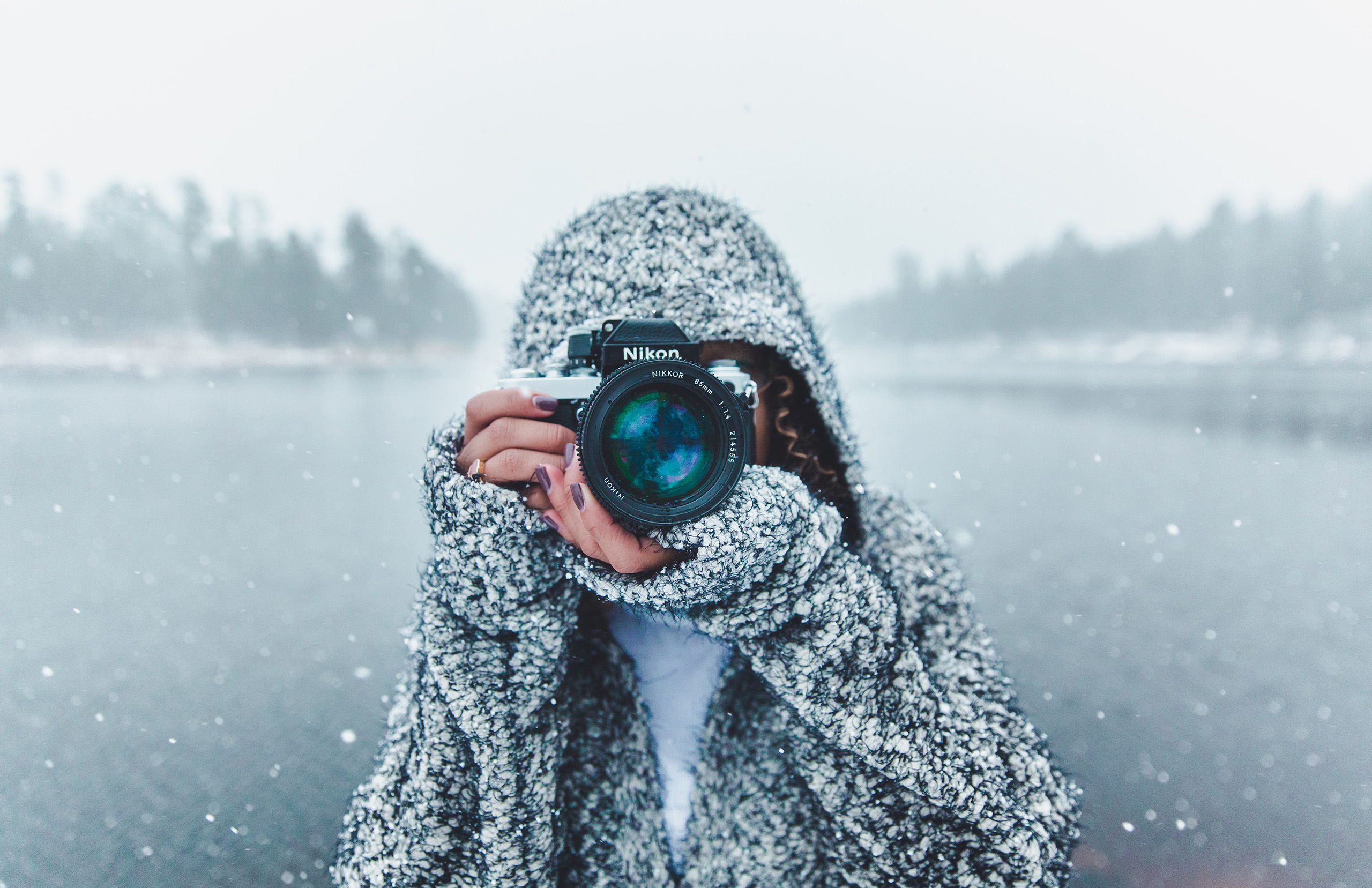
Battery life plummets below freezing—rotate spares every 30 minutes from warm inner pockets. Prevent condensation when moving between heated buildings and icy streets by sealing gear in zip-lock bags during transitions. Wear thin glove liners under mittens for quick camera adjustments. When all else fails, switch to smartphone mode; phones tolerate cold better and stay warm in your pocket.
Desert Dust Defense
Minimize lens changes in sandy environments; turn your camera body away from wind if essential. Always use UV filters as sacrificial shields against abrasive grit. Carry a rocket blower (never breath on lenses—saliva crystallizes in dry air) and microfiber cloths in sealed containers. Store gear overnight in zip-lock bags with silica gel to absorb moisture during temperature swings.
Budget-Conscious Gear Decisions
Smart Shopping Strategy
Save $800 by choosing a used 70-200mm f/4 lens over f/2.8—it’s half the weight with minimal quality loss for travel. Rent specialty gear like 400mm wildlife lenses for safaris instead of buying. Modern smartphones handle 80% of travel needs; their ultra-wide lenses excel in cramped markets. Never skip insurance—a $200 annual policy covers $3,000+ gear against theft or damage.
Weight vs Quality Trade-offs
A mirrorless Sony A7C with 24-105mm lens (3 lbs total) outperforms a DSLR kit (6 lbs) for most travelers. Opt for one versatile zoom over three primes to save 1 lb of packing weight. Use GorillaPod tripods that double as hand grips, and wrap lenses in socks instead of bulky cases. Every ounce saved means more energy for chasing that perfect shot.
Your next adventure awaits with camera in hand. Whether capturing Havana’s vintage cars or Angkor Wat’s sunrise, these travel photography tips ensure your images reflect the wonder you experienced. Start with one technique—master golden hour lighting or ethical street photography—and build from there. The best travel photography isn’t about gear; it’s about seeing deeply and sharing stories that transport others to where you’ve been. Pack light, shoot intentionally, and let your journey unfold through the lens.