

Every flight your team takes leaves a trail of carbon emissions that lingers for decades. While eliminating business travel isn’t realistic for most companies, you can dramatically shrink your environmental impact without sacrificing growth or client relationships. Forward-thinking businesses are cutting travel emissions by 40-60% while often saving money in the process. This guide reveals actionable strategies you can implement immediately to reduce carbon footprint in business travel—starting with measuring your current impact and making smarter travel decisions that align with both environmental responsibility and business needs.
Audit Your Business Travel Emissions First
You can’t manage what you don’t measure. Establishing your baseline travel footprint is the critical first step toward meaningful reductions that target your biggest emission sources.
Track All Business Travel Modes Systematically
Create a comprehensive log of every trip your employees take for work purposes. This includes air travel (both domestic and international flights), ground transportation like rental cars and ride-shares, personal vehicle use for business purposes, and hotel stays whose energy consumption also contributes to your carbon footprint. Many companies overlook how accommodation energy use adds significantly to their travel emissions.
Calculate Your Carbon Baseline Accurately
Use free calculators from organizations like the EPA’s GHG Calculator for comprehensive tracking, MyClimate for detailed flight emissions analysis, and Carbon Trust tools specifically designed for business travel. Remember to track both direct emissions from fuel burned during travel and indirect emissions from energy used by hotels, airports, and other services that support your business trips.
Identify Your Highest Impact Reduction Targets
Review your travel data to spot patterns that reveal your biggest opportunities. The top 20% of travelers often create 80% of emissions, specific routes flown repeatedly present optimization chances, and seasonal spikes may highlight avoidable travel periods. This targeted approach ensures you focus reduction efforts where they’ll make the most difference in reducing carbon footprint in business travel.
Replace Flights With High-Quality Virtual Solutions
Modern video conferencing technology has evolved beyond grainy laptop cameras. Professional virtual meeting setups can effectively replace 30-70% of routine business travel without productivity loss when implemented correctly.
Invest in Professional Meeting Technology
Upgrade from basic webcams to 4K conference cameras for boardroom presentations, directional microphones that eliminate background noise, large displays that make remote participants appear life-sized, and reliable high-speed internet with backup connections. These investments pay off through reduced travel needs and more productive virtual interactions that properly substitute for in-person meetings.
Establish Effective Virtual Meeting Protocols
Create standards that make digital interactions as effective as face-to-face: camera positioning guidelines for eye-level professional appearances, speaking protocols to prevent talking over each other, screen sharing best practices for presentations, and scheduled breaks for longer virtual meetings. Well-structured virtual meetings eliminate the need for many short business trips that contribute significantly to your carbon footprint.
Track Your Virtual Meeting Success Metrics
Monitor these key indicators monthly to measure your progress in reducing carbon footprint in business travel: the percentage of meetings held virtually versus in-person, travel cost savings achieved, client satisfaction scores for virtual interactions, and employee productivity during virtual meeting days. These metrics demonstrate both environmental and business value of your virtual meeting program.
Optimize Flight Selection When Travel Is Essential

When flights are unavoidable, strategic booking decisions can cut emissions by 20-40% on the same routes—without necessarily increasing costs when you factor in total trip time and productivity.
Prioritize Direct Routes Over Connecting Flights
Choose non-stop flights whenever possible, as they produce 50% less emissions than connecting flights. This is because takeoff and landing create the most fuel burn, direct flights cover shorter total distances, and they reduce airport energy consumption. While direct flights sometimes cost more upfront, consider the total trip time and productivity gained when making your decision.
Select Newer, More Efficient Aircraft Models
Modern planes deliver dramatically better fuel efficiency: the Airbus A350 is 25% more fuel-efficient than older models, the Boeing 787 uses 20% less fuel per passenger, and the A320neo series offers 15% improvement over previous generations. Check your airline’s fleet information before booking or use booking platforms that display aircraft type to make informed choices that reduce your business travel carbon footprint.
Choose Economy Class Strategically
Business class seats create 3x more emissions per passenger because each seat takes 2-3x more space, heavier seats increase aircraft weight, and premium cabins reduce total passenger capacity. For important client meetings where premium seating might be expected, consider premium economy as a compromise solution that maintains comfort while significantly reducing emissions.
Implement Sustainable Ground Transportation Alternatives
For distances under 500 miles, ground travel produces 5-10x less emissions than flying. Smart alternatives can eliminate many short-haul flights while often providing better productivity during transit.
Utilize High-Speed Rail Networks Where Available
European and Asian routes often make train travel superior to flying: London to Paris takes 2.5 hours by train versus 4+ hours flying, Tokyo to Osaka is 2.5 hours by Shinkansen, and Boston to NYC takes 3.5 hours by Amtrak Acela. These options offer city center to city center travel without airport security delays, providing productive travel time that reduces your business travel carbon footprint.
Create Company EV Programs for Regional Travel
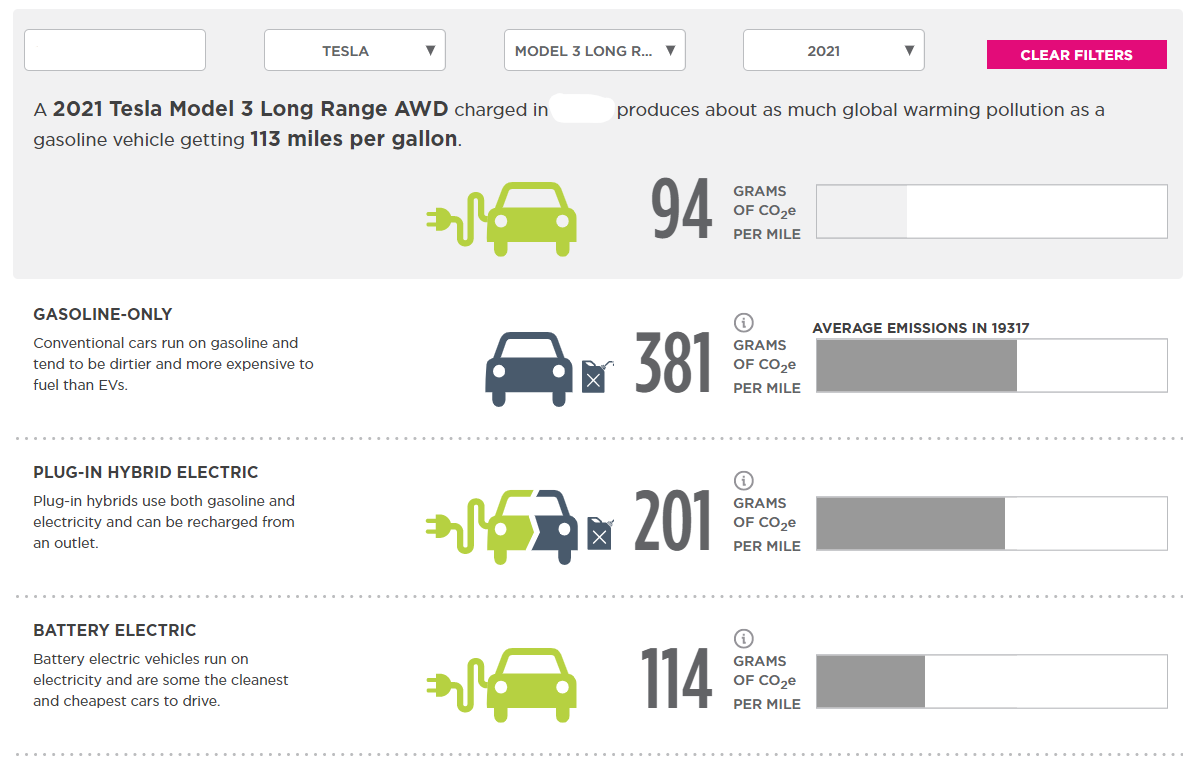
Establish electric vehicle programs for regional business trips using vehicles like the Tesla Model 3 (300+ mile range), Mustang Mach-E (270+ mile range), with charging infrastructure now covering most major routes. Install workplace chargers and provide employees with charging cards to support sustainable business travel when flights aren’t necessary.
Establish Distance-Based Travel Policies
Create clear guidelines: require ground transportation for trips under 250 miles, make ground travel preferred (with flight requiring approval) for 250-500 miles, and allow flights for distances over 500 miles (with mandatory carbon offset purchases). These policies provide clear direction that automatically reduces carbon footprint in business travel.
Reduce Accommodation Footprint Through Smart Hotel Choices
Your hotel selections significantly impact your travel emissions. Energy-efficient accommodations can cut 20-30% of lodging emissions when you know what to look for.
Select Green-Certified Hotels Consistently
Prioritize hotels with recognized certifications like LEED (30% energy savings), Green Key Eco-Rating, EarthCheck, or BREEAM. Most major booking platforms now allow filtering by “sustainable” or “eco-friendly” options, making it easy to reduce carbon footprint in business travel through smarter lodging decisions.
Implement Extended Stay Strategies
Schedule fewer, longer trips instead of multiple short visits—combine multiple meetings into single extended stays, use co-working spaces for multi-day client visits, and consider bleisure travel (extending business trips for personal time). For example, instead of making four separate NYC trips, schedule one 4-day trip with multiple client meetings and a weekend stay.
Promote Energy-Conscious Hotel Habits
Train employees on low-impact stays: decline daily housekeeping (which reduces energy use by 40%), adjust thermostats when leaving rooms, use natural light instead of all room lighting, and unplug devices when not charging. These simple behaviors collectively make a significant difference in reducing your business travel carbon footprint.
Create Effective Sustainable Travel Policies
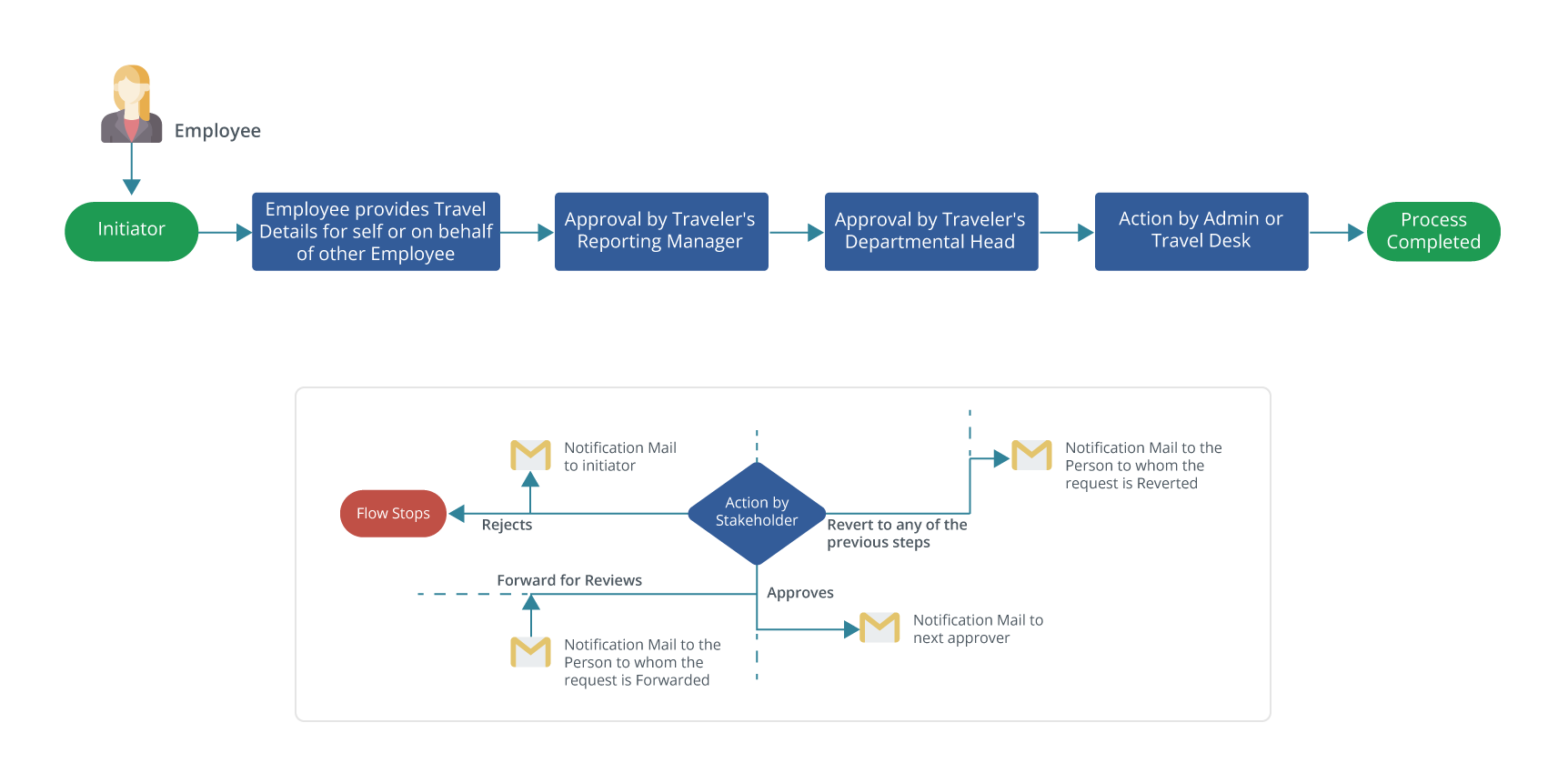
Clear policies drive consistent behavior change across your organization, making carbon reduction part of your company culture rather than optional.
Establish Streamlined Approval Workflows
Implement a virtual-first policy requiring justification for in-person meetings, set carbon budgets with annual limits per department, mandate sustainable choices when available, and allow 10-20% premium for sustainable options. These workflows institutionalize carbon-conscious decision making for all business travel.
Provide Employees With Carbon Budget Tools
Equip your team with trip planning apps that show carbon impact, monthly dashboards showing team progress, cost comparisons between travel and virtual options, and gamification elements with team competitions. Real-time feedback empowers employees to make better decisions that reduce carbon footprint in business travel.
Offer Meaningful Incentives For Green Choices
Motivate sustainable behavior through carbon offset credits as employee rewards, extra vacation days for virtual meeting champions, recognition programs for low-impact travelers, and team bonuses for hitting reduction targets. Positive reinforcement creates lasting change in travel habits.
Measure And Report Your Progress Transparently
Accountability drives continuous improvement and demonstrates your commitment to stakeholders who increasingly value corporate sustainability.
Track Key Performance Indicators Monthly
Monitor total travel emissions (CO2 tons), emissions per employee or per revenue dollar, percentage of virtual versus in-person meetings, cost savings from reduced travel, and client satisfaction scores for virtual interactions. These metrics show both environmental and business value of your program.
Create Visual Progress Dashboards
Share your journey publicly through quarterly sustainability reports, real-time carbon counters on your company intranet, infographics showing year-over-year improvements, and case studies highlighting successful virtual projects. Transparency builds trust with clients and employees alike.
Set Progressive Annual Reduction Targets
Establish meaningful goals: aim for 25% reduction from baseline in Year 1, 40% reduction with policy refinements in Year 2, 60% reduction plus offset neutrality in Year 3, and work toward net-negative business travel impact ongoing. These targets keep momentum while demonstrating serious commitment to reducing carbon footprint in business travel.
Companies that master sustainable business travel practices report 15-30% cost savings alongside improved employee satisfaction and stronger client relationships. Start with just one or two strategies from this guide, measure your results carefully, and expand your program as you discover what works best for your organization. The planet—and often your bottom line—will thank you for taking action to reduce carbon footprint in business travel.