You’ve dreamed about striking out alone on an adventure where every decision is yours alone. But the reality hits when you sit down to figure out exactly how to plan solo travel—where do you even begin? The overwhelming questions pile up: How do you stay safe when traveling alone? What if you get lonely? Can you really afford it? You’re not alone in these worries—every solo traveler has faced them.
This guide cuts through the confusion with actionable steps that transform solo travel anxiety into confident planning. You’ll discover how to choose destinations that match your personality, build a realistic budget, and create safety systems that let you explore freely. Most importantly, you’ll learn the insider strategies that turn first-time solo travelers into seasoned adventurers.
Define Your Solo Travel Purpose Before Booking Anything
Before you even open a flight search, clarify why you’re traveling alone. Your purpose shapes every decision—from budget to accommodation style—and prevents costly mistakes later.
Match Your Destination to Your Travel Goals
Cultural immersion seekers should target destinations where locals outnumber tourists. Think rural Japan villages, Portugal’s Alentejo region, or Mexico’s colonial cities like San Miguel de Allende. These places offer authentic interactions without the tourist traps.
Adventure-focused travelers need specific locations matching your dream activities—surfing in Costa Rica’s Tamarindo, trekking Nepal’s Annapurna Circuit, or diving Palawan’s underground rivers in the Philippines. Research activity seasons to avoid arriving during monsoon or off-season closures.
Personal retreat travelers thrive in peaceful environments. Bali’s rice terraces (avoiding touristy Canggu), Greece’s lesser-known islands like Amorgos, or Scandinavia’s countryside provide space for reflection without isolation.
Skill development travelers should match locations to learning goals—wine school in Mendoza, Argentina, cooking classes in Chiang Mai, Thailand, or language immersion in Antigua, Guatemala.
Assess Your Solo Readiness Honestly
Evaluate your comfort level with these critical solo travel skills:
– Navigation independence: Can you confidently read maps and signs in foreign languages?
– Spontaneous decision-making: Are you comfortable choosing restaurants alone without second-guessing?
– Problem-solving under pressure: How would you handle a missed bus or closed hotel at midnight?
– Social comfort: Can you eat alone without feeling self-conscious?
Pro tip: Test your readiness with a 2-3 day solo trip to a nearby city before committing to international travel. Book a hotel, navigate public transport alone, and eat at restaurants by yourself.
Choose Safe Solo-Friendly Destinations That Match Your Budget
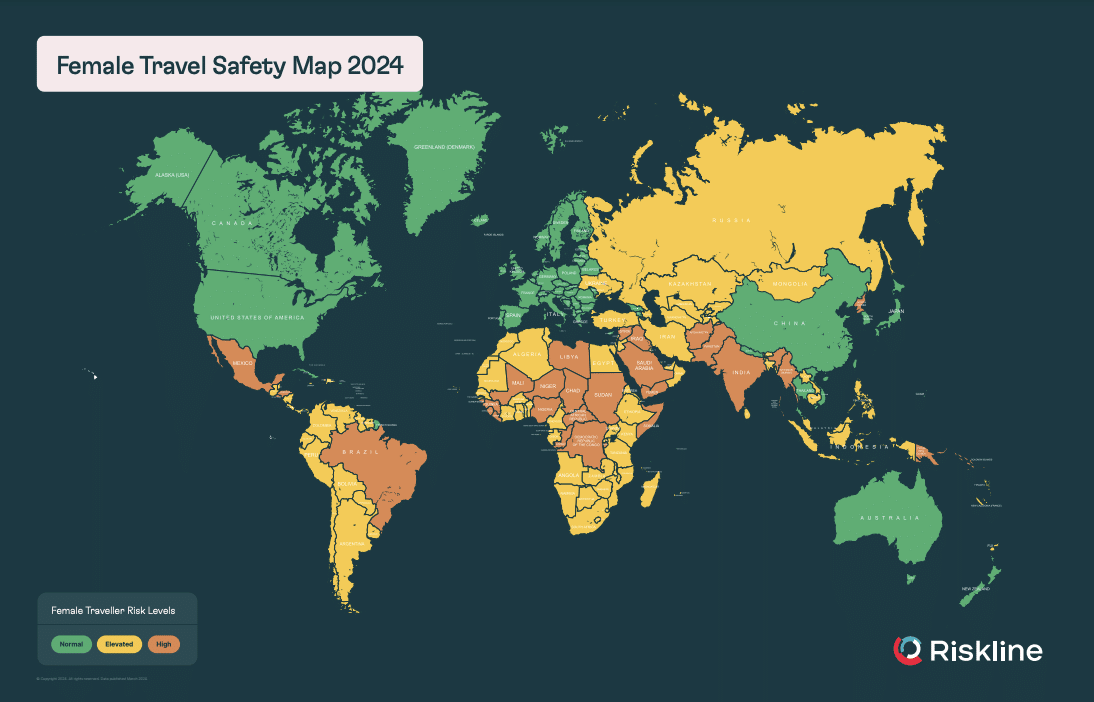
Safety concerns top the list for first-time solo travelers, but many overestimate risks while missing real dangers. These destinations offer excellent infrastructure without sacrificing authenticity.
Safety Evaluation Checklist You Must Complete
Before booking, research these critical factors:
– Government advisories: Check travel.state.gov for current warnings
– Crime statistics: Focus on petty theft vs. violent crime rates
– Healthcare quality: Availability of English-speaking medical facilities
– Solo traveler infrastructure: Hostel networks, group tours, and traveler meetups
– Cultural attitudes: Safety for your gender identity and sexual orientation
Red flags to avoid: Countries with recent political unrest, high violent crime rates, or severe language barriers for first-timers.
Budget Compatibility by Region
Ultra-budget ($20-50/day): Southeast Asia, Central America, Eastern Europe
Mid-range ($50-100/day): Western Europe, Australia, parts of South America
Luxury ($150+/day): Scandinavia, Switzerland, Japan during peak seasons
Key insight: Some destinations like Portugal or Mexico offer “budget luxury”—you can stay in beautiful boutique accommodations while eating incredible food for $50/day.
Create Your Solo Travel Budget Without Financial Stress
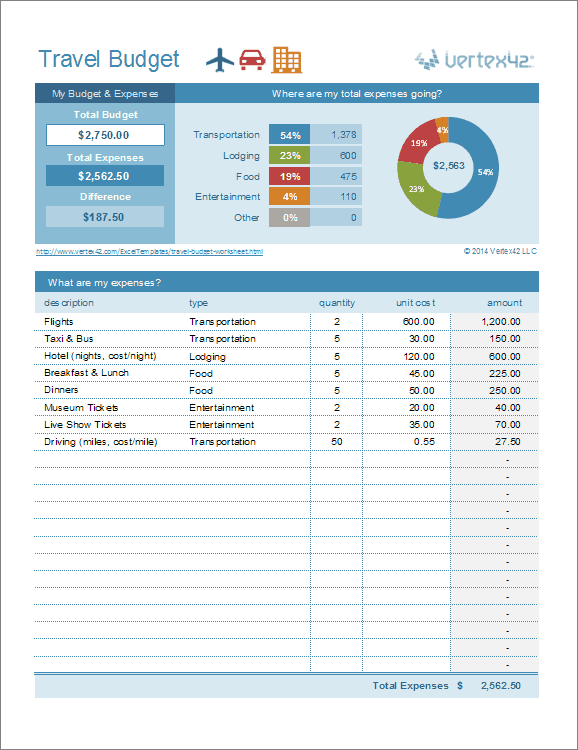
Smart budgeting prevents money worries from ruining your adventure. Most solo travelers underestimate daily costs by 20-30%, leading to stressful cutbacks mid-trip.
Build Your Budget Framework
Fixed costs (before departure):
– International flights: $400-1,500 (book 8-12 weeks ahead)
– Travel insurance: $50-200 (non-negotiable for solo travelers)
– Visa fees: $0-200 (varies by nationality)
– Vaccinations: $0-500 (check requirements 6 weeks early)
Daily operational costs:
– Accommodation: Hostel dorms ($8-40/night) to private rooms ($25-80/night)
– Food: Street food/markets ($5-15/day) to restaurant meals ($15-35/day)
– Transportation: Local transport passes ($5-20/day)
Pro tip: Always budget 15% extra for spontaneous experiences—these often become your favorite memories.
Emergency Fund Strategy Every Solo Traveler Needs
Maintain reserves covering:
– Primary ATM card: No foreign transaction fees
– Backup card: Different bank/network
– Cash stash: $300-500 split across luggage locations
– Credit card: For emergencies only
Critical move: Keep emergency cash in multiple locations—hidden in luggage, day bag, and on your person. Never carry all your money in one place.
Book Strategic Accommodation That Builds Connections
Where you sleep shapes your solo travel experience more than you think. The right accommodation becomes your social hub and safe haven.
Accommodation Types Compared for Solos
Hostels: Your social lifeline
Best for first-timers under 35, costing $15-35/night. Look for properties with nightly events, communal kitchens, and social areas. Book through Hostelworld and read solo traveler reviews specifically.
Boutique guesthouses: Local immersion
Perfect for travelers wanting authenticity with comfort ($40-80/night). These offer local owner insights and neighborhood access with moderate social opportunities.
Airbnb: Extended stay comfort
Ideal for stays over 5 days ($50-100/night), but choose listings with 50+ reviews and Superhost status for safety.
Location Strategy That Saves Time and Money
Prioritize these factors:
– Safety: Well-lit streets, 24/7 reception, secure entry
– Transportation: 5-minute walk to metro/bus stops
– Walking distance: Major attractions within 30 minutes
– Food access: Grocery stores and restaurants nearby
Booking timeline tip: For peak season, book 2-3 months ahead; for shoulder season, 4-6 weeks; for off-season, 1-2 weeks for flexibility.
Build Your Safety Framework Before Departure
Solo travel safety isn’t paranoia—it’s smart preparation that lets you explore freely. The most confident solo travelers have systems, not fears.
Pre-Trip Safety Setup Checklist
Complete these essential steps:
– Register with embassy: STEP program for US citizens
– Share itinerary: Detailed plans with 2-3 trusted contacts
– Document copies: Cloud storage + physical copies of passport, visas, insurance
– Emergency contacts: Local embassy, insurance hotline, family contacts
Daily Safety Habits That Prevent Problems
Morning routine: Check embassy website for updates, share daily plans with emergency contact, verify accommodation locks.
Evening protocol: Check in with emergency contact by agreed time, review next day’s transportation in safe location, secure valuables across multiple locations.
Money handling: Carry a decoy wallet with small cash, distribute money across luggage and clothing, use hotel safe for passport and backup cards.
Pack Like a Solo Travel Pro (Every Item Must Earn Its Place)
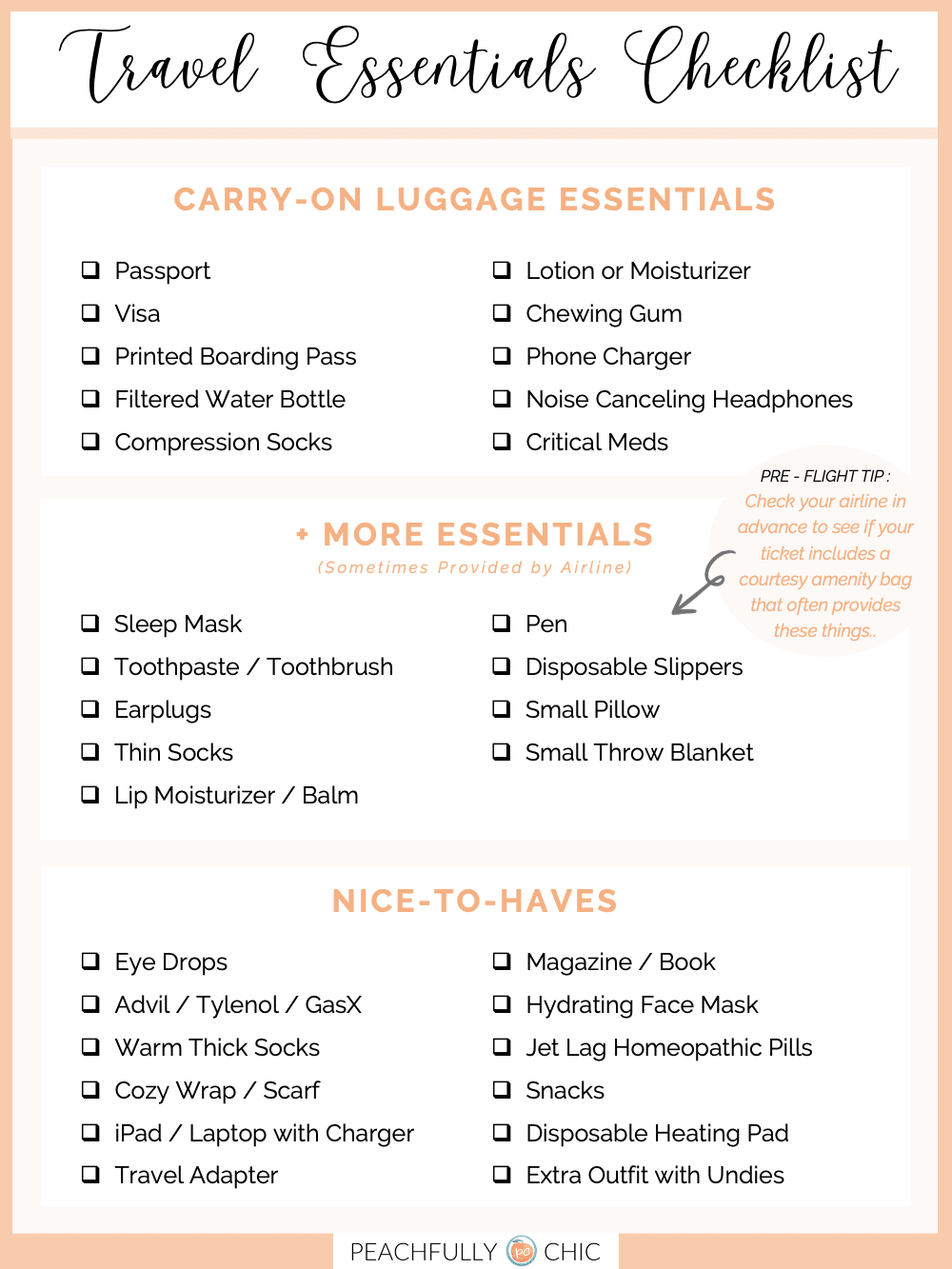
When you’re carrying everything yourself, every ounce matters. The solo travel packing list differs significantly from group trips.
Essential Packing Checklist
Clothing capsule (mix-and-match system):
– 5 tops (quick-dry, wrinkle-resistant)
– 2 bottoms (1 dressy, 1 casual)
– 1 lightweight jacket
– 7 underwear/socks (quick-dry)
– 1 versatile shoes + flip-flops
Electronics for connection:
– Smartphone with international plan
– Universal adapter with USB ports
– Portable charger (20,000 mAh)
– Noise-canceling headphones
Health and safety kit:
– Prescription medications in original containers
– Basic first aid (bandages, pain relievers)
– Travel-size toiletries in solid form
– Copies of all documents (separate from originals)
Pro packing technique: Use packing cubes to organize by category—one for tops, one for bottoms, one for underwear. This makes finding items in hostels much easier.
Build Social Connections Abroad Without Feeling Lonely
Loneliness kills solo trips—here’s how to meet people naturally while maintaining boundaries.
Meet Fellow Travelers Strategically
Hostel connection tactics:
– Join hostel events like walking tours or pub crawls
– Cook dinner in the kitchen and offer to share with others
– Ask “Where are you from?” to 3 people daily in common areas
Structured meetups that work:
– Free walking tours (daily in most cities)
– Travel Facebook groups like “[City] Backpackers”
– Apps like Travello or Meetup for solo traveler events
Manage Solo Moments Like a Pro
When loneliness hits:
– Schedule video calls with home at consistent times
– Start a photography challenge (e.g., “10 blue doors”)
– Join local classes for cooking, language, or crafts
– Exercise with hotel room workouts or local running groups
Remember: Feeling lonely is normal and temporary. Most solo travelers report their loneliest moments become their most transformative memories.
Solo travel planning becomes intuitive once you’ve done it once. Start small with a weekend in a nearby city, then build confidence for bigger adventures. The world welcomes solo travelers more than you imagine—you’ll return home with stories, friendships, and a stronger sense of self.
Your solo adventure starts with one decision: pick your destination and book that first night. Everything else falls into place once you’re on the road. How to plan solo travel successfully isn’t about perfection—it’s about taking that first step toward freedom.