
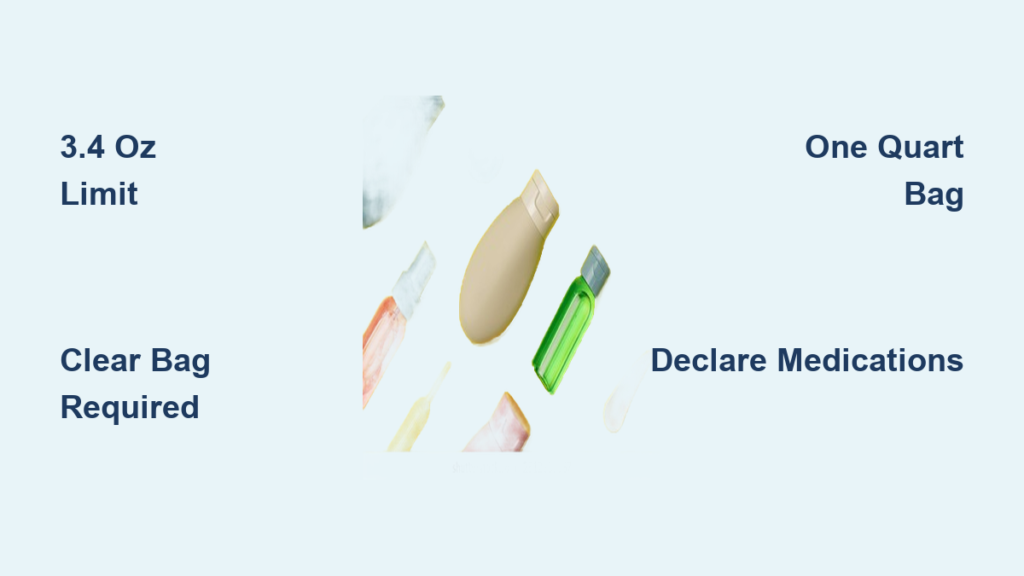
You’ve been there—staring at your favorite full-size shampoo bottle, wondering why it can’t come with you on your trip. The dreaded TSA liquid container size restriction stops many travelers in their tracks, forcing last-minute repacking or expensive airport purchases. Knowing exactly what size liquid containers you can bring saves you from the security checkpoint embarrassment of dumping precious products into the TSA trash bin.
The travel liquid container size rules aren’t complicated once you understand them, but ignoring them means either surrendering your expensive skincare routine or checking your bag at the last minute. This guide breaks down exactly what you need to know about travel liquid container size regulations so you can pack with confidence and breeze through security without losing a single drop of your favorite products.
Why Your 3.4-Ounce Liquid Container Limit Matters for Air Travel
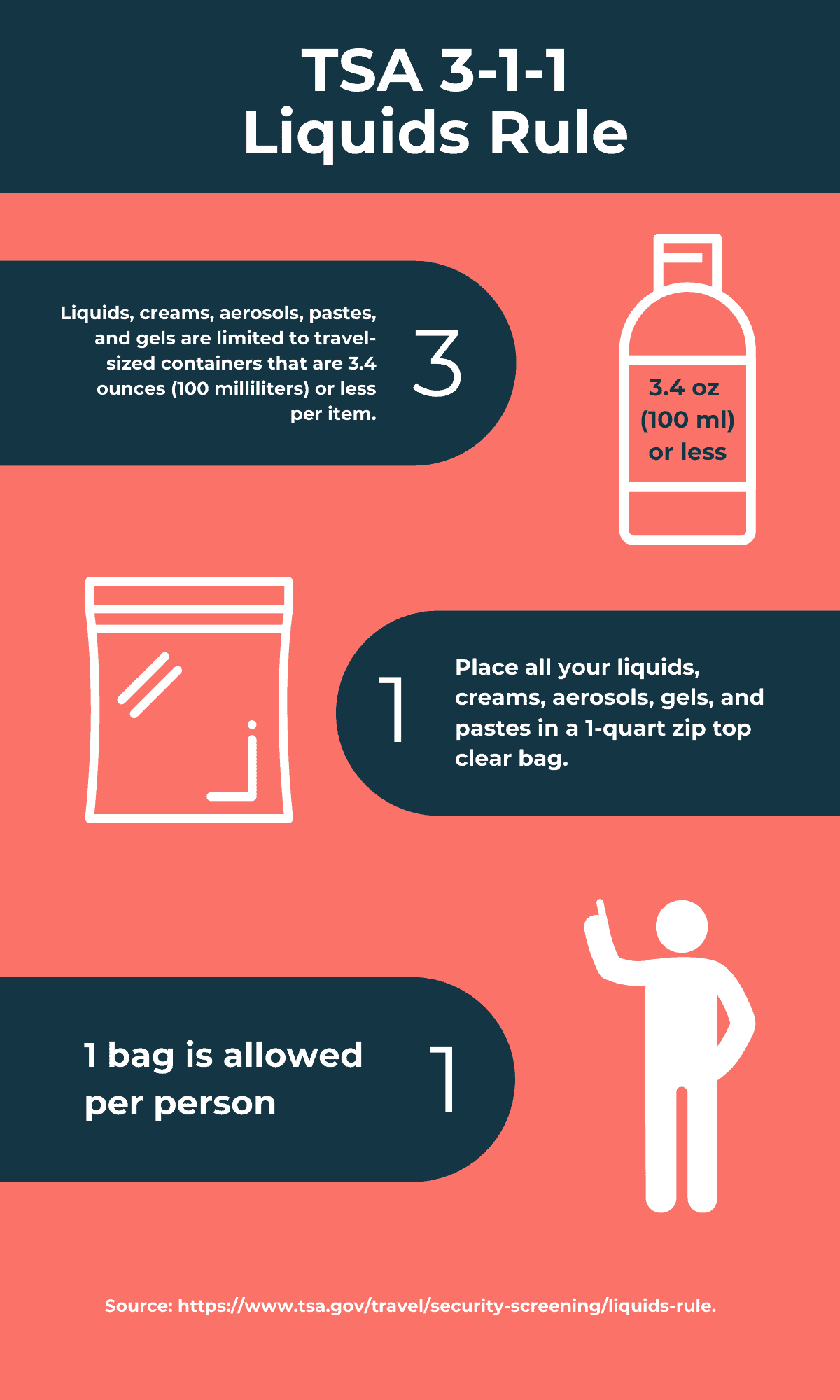
The 3.4-ounce (100 milliliter) maximum for travel liquid container size isn’t arbitrary—it’s a critical security measure established by the U.S. Department of Homeland Security through the TSA. This limit applies to every passenger flying within or into the United States, regardless of airline or destination.
Container Size vs. Actual Liquid Amount
The crucial detail that trips up most travelers is that the travel liquid container size restriction applies to the container’s maximum capacity, not how much liquid you’ve actually put inside. That half-empty 8-ounce shampoo bottle? It violates the rules because the container itself exceeds the 3.4-ounce limit, even if you’ve only filled it halfway.
When packing, always check the container’s labeled capacity rather than guessing based on how full it appears. Many travelers make the mistake of thinking “as long as it’s under 3.4 ounces of liquid” is acceptable, but TSA agents will confiscate any container larger than the limit regardless of contents.
Consequences of Ignoring Container Size Limits
Ignoring the travel liquid container size rules leads to three unpleasant outcomes: surrendering your products at security, repacking your entire carry-on in the checkpoint line, or checking your bag when you’d planned to carry on. Security lines move faster when passengers follow the rules, so getting your container sizes right benefits everyone.
Consider this scenario: You’ve carefully packed your carry-on only to reach security and discover your 4-ounce moisturizer must be discarded. Suddenly, you’re holding up the line while trying to transfer product into a compliant container or deciding what to toss. Proper container sizing prevents these stressful last-minute decisions.
How to Select Compliant Travel Liquid Containers
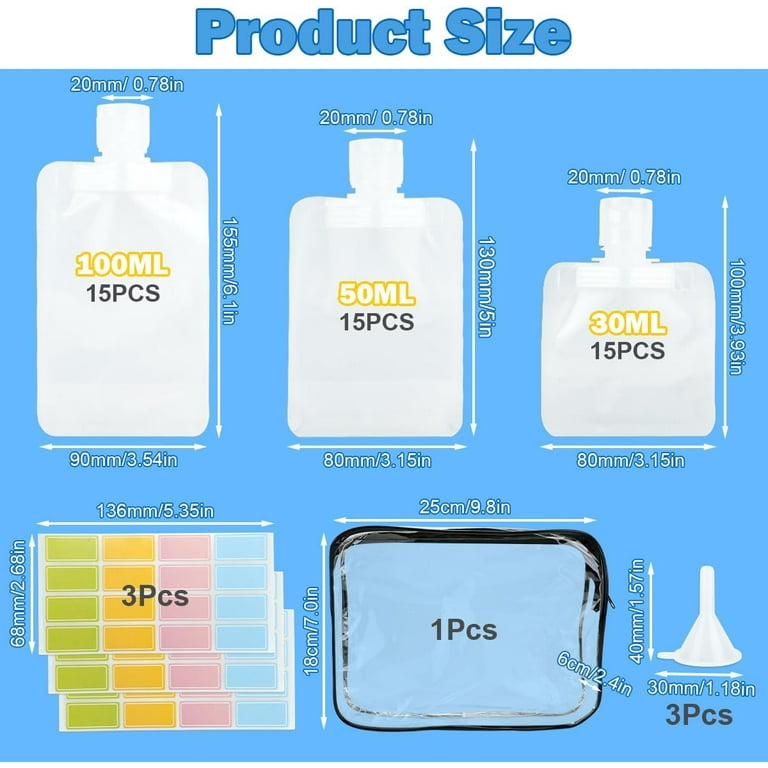
Choosing the right travel liquid container size saves you from security headaches and product loss. Not all “travel size” products actually meet TSA requirements, so verification is essential before packing.
Identifying Genuine TSA-Approved Containers
Look for containers explicitly labeled as 3.4 ounces (100ml) or less—not “travel size” which has no standardized meaning. Many reputable brands now produce “TSA-compliant” versions of their products with the exact 3.4-ounce capacity clearly marked on the packaging.
When purchasing travel-size products, check the fine print on the bottom or side of the container. Some “travel size” products still exceed the limit, especially those marketed for international travel where regulations might differ.
Measuring Your Existing Containers
For containers without clear labeling, use these methods to verify travel liquid container size:
- Water displacement test: Fill your container with water, then pour into a measuring cup
- Milliliter conversion: Remember that 100ml equals 3.4 ounces—use a kitchen scale for accuracy
- Comparison method: Place against a known-compliant container to check relative size
If your container holds more than 3.4 ounces when completely full, it won’t pass security screening regardless of how little product you put inside.
What Actually Counts as a Liquid Under TSA Rules
The TSA’s definition of “liquids” extends far beyond just water and beverages. Many products you might not consider liquids actually fall under the travel liquid container size restrictions.
Common Toiletries That Qualify as Liquids
These everyday items must comply with the 3.4-ounce travel liquid container size limit:
- Toothpaste and other dental products
- Shampoo, conditioner, and body wash
- Lotions, creams, and serums
- Liquid makeup and foundations
- Mascara and other liquid eye products
- Hair gels, mousses, and styling products
- Perfumes and colognes
Even semi-solid products like lip balm, solid deodorant (check consistency), and thick creams get classified as liquids if they can flow or take the shape of their container.
The Aerosol Exception
Aerosol products like hairspray, dry shampoo, and spray deodorant follow the same travel liquid container size rules but with additional restrictions. Each aerosol container must be 3.4 ounces or less, and you’re limited to one quart-sized bag total for all aerosols and other liquids.
Many travelers mistakenly believe aerosols have different size limits, but TSA treats them exactly like other liquids when it comes to container size requirements.
Quart-Sized Bag Requirements You Can’t Ignore
Your compliant travel liquid containers must fit within specific bag parameters—this isn’t optional. The bag requirement is equally important as the container size limit.
Choosing the Right Quart-Sized Bag
Not all clear plastic bags qualify. Your travel liquid container size compliance depends on using a bag that meets these specifications:
- Exactly quart-sized (approximately 7″ x 8″ when flat)
- Completely clear with no patterns or designs
- Resealable with a functioning zipper or closure
- Freezer-weight plastic (thicker than standard sandwich bags)
Standard grocery store sandwich bags often tear during screening, while freezer bags provide the durability needed to protect your containers. Many airports sell compliant bags near security checkpoints, but don’t rely on this availability.
One Bag Per Passenger Rule
The “1” in the 3-1-1 rule means one quart-sized bag per person, regardless of how many carry-on bags you bring. You cannot distribute your liquids across multiple bags or pockets to avoid the single-bag limit.
Families traveling together cannot combine their allowances—each person, including infants, gets exactly one quart-sized bag for their liquid containers. This limitation forces strategic choices about which products are essential enough to bring in your carry-on.
Common Travel Liquid Container Mistakes That Trigger TSA Rejection
Even experienced travelers make critical errors with their travel liquid container size that result in product confiscation. Recognizing these mistakes helps you avoid them.
Oversized Container Errors
The most frequent violation involves containers labeled over 3.4 ounces, regardless of actual contents. Travelers often transfer products into smaller bottles but forget to check the new container’s capacity. A 4-ounce travel bottle—even mostly empty—violates the rule.
Another common mistake is bringing multiple containers of the same product. You cannot bring two 3-ounce bottles of shampoo totaling 6 ounces. Each individual container must be 3.4 ounces or less, and all must fit in your single quart bag.
Wrong Bag Types
Using gallon-size bags or non-resealable containers causes immediate rejection. Even bags that appear quart-size might be oversized when measured. Some travelers try using makeup bags or small purses instead of plastic bags—these don’t meet TSA requirements.
Non-clear bags force agents to open and inspect contents, slowing your screening process. Stick to plain, clear plastic bags without patterns or designs that might obscure the contents.
Medication and Baby Product Exceptions to Liquid Container Rules
Certain situations allow flexibility beyond the standard travel liquid container size restrictions. Understanding these exceptions prevents unnecessary stress.
Medication Exemptions
You can bring larger quantities of medically necessary liquids without the 3.4-ounce restriction. These must be declared to TSA agents at the checkpoint. Keep medications in original packaging when possible, and bring prescription labels or doctor’s notes for verification.
Liquid medications don’t need to fit in your quart bag, but they must be screened separately. This exemption applies to both prescription and essential non-prescription items like insulin or liquid antibiotics.
Baby and Child Exceptions
Traveling with infants allows additional liquid allowances. Baby formula, breast milk, and juice for children can exceed 3.4 ounces in reasonable quantities. These items must be declared for separate screening, and you should inform TSA agents before your bag goes through X-ray.
The traveling child must be present, and these exceptions don’t extend to snacks or other convenience items. Pack these items last for easy access during screening.
Smart Solutions for Packing Maximum Liquids Within Size Limits

Maximizing your limited liquid allowance requires strategic thinking and the right tools. These proven solutions help you maintain your travel routine without violating restrictions.
Solid Product Alternatives
Replace liquids with solid versions when possible. These don’t count toward your liquid allowance:
– Shampoo and conditioner bars
– Solid deodorant
– Toothpaste tablets
– Moisturizing bars
– Sunscreen sticks
These products often last longer than their liquid counterparts and eliminate leak risks. Pack them in reusable containers or wrap in wax paper to keep them clean.
Reusable Container Systems
Silicone travel bottles provide eco-friendly alternatives to single-use products. These flexible containers hold exactly 3.4 ounces and squeeze out every last drop. Choose wide-mouth bottles for thick products like conditioner, and narrow tips for liquids like toner.
Label each container with waterproof stickers to avoid morning mix-ups. Fill containers the night before travel to check for leaks under pressure.
Last-Minute Fixes for Oversized Liquid Containers Before Security
Even with perfect planning, last-minute changes happen. These strategies help you adapt quickly without sacrificing compliance.
Emergency Replacements
Create a go-bag checklist for common forgotten items. Most destinations have drugstores, pharmacies, or hotel shops where you can replace basics. Research your destination’s shopping options before packing.
Hotel amenities can substitute for many toiletries, though quality varies significantly. Higher-end hotels typically provide decent shampoo, conditioner, and body wash.
Airport Shopping Strategy
Post-security shops sell compliant liquids at premium prices, but they’re convenient for forgotten essentials. These products meet TSA requirements and can be carried onboard, making them worth the markup for critical items.
Mastering travel liquid container size rules transforms security screening from a stressful obstacle into a routine step. Remember the 3-1-1 rule: 3.4 ounces per container, 1 quart bag, 1 bag per person. Pack compliant products in a clear, resealable bag, keep it accessible for screening, and you’ll breeze through security every time. For longer trips, plan to purchase larger quantities at your destination or check a bag. With these guidelines, your favorite products travel with you—no surprises, no confiscations, no delays.