
Your flight departs in 12 hours and your suitcase yawns empty while panic sets in. You’ve been here before: cramming shoes into corners, watching zippers strain, then paying $100 overweight fees at the airport. How to pack a suitcase for air travel isn’t about stuffing more in—it’s a precision art that saves money, time, and sanity. Airlines reject 1 in 3 bags for size or weight issues, but seasoned travelers breeze through security with room for souvenirs. This guide reveals exactly how to transform chaos into a perfectly balanced suitcase using pro techniques airlines don’t advertise. You’ll learn to dodge liquid restrictions, prevent wrinkles, and pack for 10 days in carry-on size—no magic tricks, just battle-tested methods.
Stop guessing what to bring or how to arrange it. By the end of this guide, you’ll pack faster than TSA lines move, avoid $200 surprise fees, and arrive with wrinkle-free clothes ready for anything. Let’s fix your suitcase struggle for good.
Check Airline Baggage Rules Before You Pack a Single Item
Weight and Size Limits That Actually Matter
Most travelers get blindsided by hidden restrictions. Checked bags max out at 50 lbs (23 kg) and 62 linear inches—add length, width, and height including wheels. Domestic carry-ons must fit 22″ x 14″ x 9″, but European airlines like Ryanair slash that to 21.5″ x 15.5″ x 9″. Budget carriers like Spirit charge $55 just to bring a backpack onboard. Always verify your airline’s policy 48 hours pre-flight: United’s website shows real-time size limits, while Delta’s app calculates linear inches. Skip this step and you’ll pay $150 for that “just under” 51-lb suitcase.
Beat TSA Liquid Restrictions in 60 Seconds
The 3-1-1 rule isn’t optional: 3.4-ounce containers, 1 quart-sized bag, 1 bag per passenger. But here’s what TSA won’t tell you—solid alternatives bypass the hassle entirely. Swap liquid shampoo for bars, deodorant sticks, and toothpaste tablets. Decant products into silicone 3oz bottles (label them!), then double-bag everything in zip-locks with plastic wrap under caps. Pro move: Pack prescription meds in original bottles and declare them at security—no delays, no confiscated insulin.
Choose Luggage That Fits Your Itinerary, Not Your Dreams
Hard-Shell vs. Soft-Shell: When to Splurge

Hard-shell cases protect fragile souvenirs and resist rain but fail with bulky items. Soft-shell wins for irregular shapes like ski boots and expands for souvenir runs. For business trips, hard-shell maintains suit structure; for backpacking, soft-shell’s external pockets give instant access to passports. Never buy luggage without testing: load it with 20 lbs of books and drag it through your house. If wheels wobble or handles jam, skip it—TSA won’t forgive flimsy zippers.
Size Selection Formula That Never Fails
Pack for 1-3 days? Stick to 21-22″ carry-on. Need space for 3-7 days? Grab a 24-26″ checked bag. Family trips demand 28-32″ monsters. But here’s the pro secret: measure your overhead bin at home. Tape a 22″x14″x9″ rectangle on your wall—anything larger gets gate-checked. For international flights, shrink your bag by 2 inches; European bins are tighter.
Master Packing Techniques Airlines Actually Use
Rolling vs. Folding: The Wrinkle War
Roll knits like t-shirts and jeans—they save 25% space and resist wrinkles. Fold dress shirts and blazers vertically using the interlocking method (sleeves back, fold in thirds), slipping tissue paper between layers. For business trips, bundle-wrap: place a jacket at the suitcase base, layer shirts around it, and secure with straps. This method prevents creases better than garment bags.
Capsule Wardrobe Method for 7 Days in Carry-On Size
Pack using the 3-2-1 formula: 3 tops, 2 bottoms, 1 jacket per 3 days. Stick to wrinkle-resistant fabrics like merino wool—skip 100% cotton that crumples in transit. Choose neutral colors (navy, gray) with one accent hue (burgundy scarf) for mix-and-match outfits. Add multi-use items: a sarong becomes a beach towel, blanket, or dress. Result? Seven days of outfits in 15 lbs.
Organize With Packing Cubes Like a Flight Attendant
Cube Sizing Strategy for Instant Access
Small cubes hold socks and underwear—stuff them inside shoes to save space. Medium cubes organize rolled t-shirts and pajamas. Large cubes swallow pants and sweaters. Color-code: red for dirty laundry, blue for clean, green for gym gear. Never cram cubes past 80% capacity—they should compress with suitcase straps without bursting zippers.
Compression Bag Magic for Bulky Winter Gear
Vacuum bags shrink puffer jackets by 70% without pumps—roll them tightly after sealing. Reserve these for return trips: pack souvenirs inside your compressed winter coat. For delicate items like sweaters, use roll-top compression sacks—gentler than vacuum pumps.
Pack Toiletries Without Leaks or TSA Confiscation
Build a Foolproof 3-1-1 Kit in 2 Minutes
Grab a clear quart bag and load: 3oz silicone bottles (shampoo, lotion), solid deodorant, prescription meds in original bottles. Add leak-proofing hacks—plastic wrap under caps, double zip-locks—and tuck it in an exterior pocket. Hotels provide shampoo and hair dryers; skip them. Always bring prescription meds, contact solution, and specific skincare—never check these.
Shoe Strategy That Maximizes Every Inch
Limit yourself to 3 pairs: walking shoes (wear on plane), dress shoes, and flip-flops. Stuff shoes with socks and belts—this fills dead space and maintains shape. Slide shoes along suitcase edges with soles facing out. Drop a dryer sheet inside each shoe bag to kill odors from sweaty travel days.
Electronics Organization That Speeds Up Security
Cable Management That Prevents Tangles
Label zip-lock bags: “Phone” (charger + power bank), “Laptop” (cable + adapter), “Camera” (memory cards). Pack large electronics in your personal item—not the suitcase—for security screening. Never check laptops or cameras; place them in the bin separately.
Valuables Safety Protocol for Lost Luggage
Split cash and cards across three zones: carry-on, checked bag, and money belt. Photograph your passport and insurance docs—store copies in the cloud. For jewelry, wear minimal pieces and pack valuables in your personal item’s hidden pocket.
Maximize Space Like a Packing Champion
Strategic Packing Order for Balanced Weight
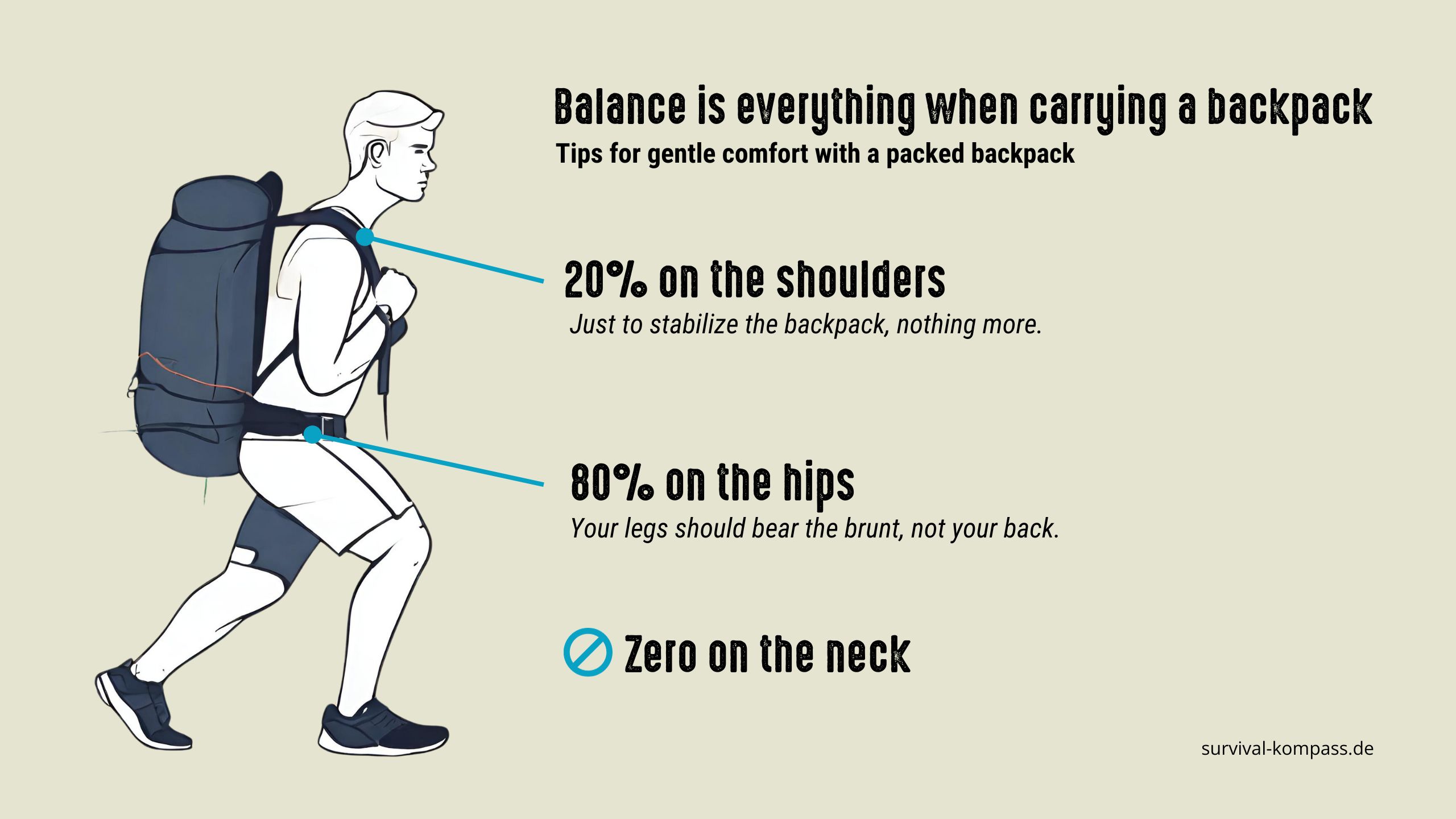
Start with heavy items near wheels: shoes and toiletry bags. Layer packing cubes of rolled clothes next. Top with lightweight items like underwear and your arrival outfit. Slide flat items (passports, magazines) into side pockets. Always leave 10% space for souvenirs—overstuffed bags exceed weight limits.
Weight Distribution Hacks That Avoid Overweight Fees
Stand your packed suitcase upright—it shouldn’t tip. Weigh it accurately: step on a scale holding the bag, subtract your body weight. Target 47 lbs for checked bags (leaves 3 lbs for souvenirs). If it’s heavy, wear your bulkiest jacket and shoes to the airport.
Carry-On Essentials Checklist for Flight Delays
Personal Item Must-Haves You Can’t Forget
Your under-seat bag needs: change of clothes (delays happen), medications, electronics, snacks, and an empty water bottle (fill post-security). Skip liquids over 3.4 oz—TSA will dump them. Pack entertainment offline; inflight Wi-Fi fails constantly.
Accessibility Strategy for Gate Checks
If your carry-on gets gate-checked, pack overnight items (toothbrush, contact lenses) in your personal item. Place electronics in outer pockets for security scans. Keep travel docs in a dedicated sleeve—not buried in your bag.
Special Item Packing That Prevents Disaster
Fragile Protection for Electronics and Souvenirs
Wrap cameras in clothing, not bubble wrap—soft layers absorb shocks better. Double-bag liquids in the suitcase center surrounded by socks. For glass souvenirs, use the “egg carton method”: nestle items in packing cubes with rolled t-shirts as cushioning.
Sports Equipment Packing Without Oversized Fees
Golf clubs require hard-shell cases—ship them ahead via Ship Sticks to avoid $150 airline fees. Skis fit in specialized bags counting as one item; disassemble bikes into travel cases and notify airlines 24 hours pre-flight. Never pack sports gear in soft luggage—it’ll burst at the seams.
Last-Minute Packing Checklist That Cuts Panic
24 Hours Out: The Critical Prep
Check weather forecasts and adjust layers. Verify baggage fees online—Spirit’s app shows real-time carry-on costs. Charge all devices and download offline maps. Photograph packed items for insurance claims if bags get lost.
Departure Day: Avoid Security Nightmares
Wear your heaviest shoes and jacket. Empty water bottles before security. Remove pocket knives (yes, even Swiss Army knives). Weigh luggage one last time—47 lbs is your golden number.
Destination-Specific Packing Wins
International Additions for Smooth Entry
Pack Type C plugs for Europe, Type G for the UK. Carry small bills for taxis—ATMs often have $5 fees. Research cultural dress codes: cover shoulders in Thailand, avoid shorts in Middle Eastern mosques.
Business Travel Hacks for Wrinkle-Free Success
Wear your suit on the plane. Pack blazers in garment folders with tissue paper between folds. Use shoe trees to maintain shape, and bring a portable steamer for $100 hotel rentals.
Master the Return Trip Like a Pro
Souvenir Strategy That Saves Space
Use compression bags for dirty laundry—this creates room for purchases. Pack bubble wrap from your outbound trip in shoe compartments for fragile souvenirs. Always return 3 lbs under your weight limit; that ceramic bowl adds up fast.
Pro Traveler Secret for Lost Luggage Claims
Take photos of your packed suitcase before closing it. If bags vanish, you’ll have visual proof for insurance—detailed item lists beat vague claims every time.
Final takeaway: Packing a suitcase for air travel well means arriving calm, not crumpled. Start 3 days early with a list, use packing cubes religiously, and always leave 10% space for the unexpected. You’ll dodge overweight fees, breeze through security, and unpack like a pro—every single trip. Your future self (and your wallet) will thank you when you skip the baggage carousel chaos while others wrestle with splintered suitcases and $200 fees.