
That first post-retirement trip should spark joy, not anxiety about health risks. With proper preparation, seniors can explore the world confidently—yet 68% of travel-related health emergencies stem from preventable oversights. This guide cuts through the overwhelm with precise, actionable steps verified by global health experts. You’ll discover exactly when to schedule medical appointments, how to pack medications safely, and why cruise ship outbreaks hit seniors hardest—all designed to transform travel dreams into reality without compromising your wellbeing.
Pre-Travel Health Checklist for Senior Travelers
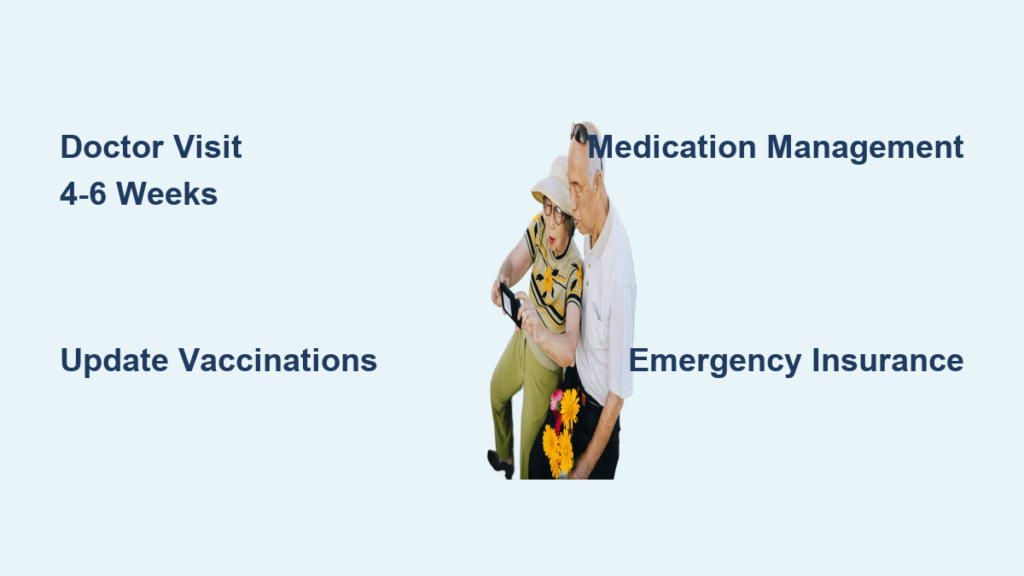
Book Doctor Visit 4-6 Weeks Before Departure
Schedule your healthcare provider appointment precisely four to six weeks before flying. This critical window ensures vaccines reach full effectiveness while giving pharmacies time to prepare extended prescriptions. Bring your complete itinerary detailing every destination and planned activity—hiking tours require different precautions than museum visits. During this visit, discuss any chronic conditions and confirm your fitness for travel, especially for high-altitude or extreme climate destinations.
Update Essential Senior Vaccinations Immediately
Your routine immunizations need special attention before international travel. Verify current status on pneumococcal pneumonia and shingles (zoster) vaccines, both crucial for travelers over 50. Never skip your annual flu shot regardless of destination. For country-specific requirements, consult the CDC’s destination pages—they detail region-specific risks like yellow fever or typhoid. Remember: Some vaccines require multiple doses spread over weeks, making early planning non-negotiable.
Execute Medication Management Protocol
Pack 100% of required medications plus a 7-14 day emergency supply for unexpected delays. Split pills between carry-on and checked luggage using original pharmacy bottles with your name visible—this prevents customs issues and ensures quick access during flights. Never purchase medications abroad; counterfeit drugs flood tourist hotspots. Carry both paper and digital copies of your complete medical history including current medications, allergies, physician contacts, and emergency contacts. Pro Tip: Use a pill organizer labeled with local time zones to avoid dosage confusion during time changes.
Cruise Health Essentials Every Senior Must Know
Prevent Norovirus and Respiratory Outbreaks
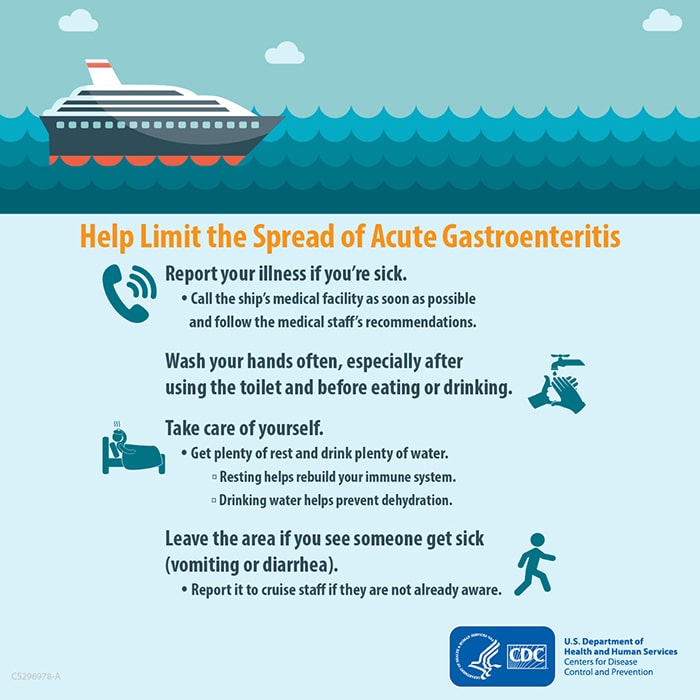
Cruise ships concentrate thousands of travelers in confined spaces, creating perfect conditions for rapid disease spread. Seniors face higher complication risks from norovirus and respiratory infections due to weakened immune systems. Implement this daily prevention routine: Wash hands with soap for 20 seconds before meals and after restroom use. Carry alcohol-based hand sanitizer (minimum 60% alcohol) for touching railings or elevator buttons. Avoid touching your face—especially eyes and mouth—where pathogens enter most easily.
Cancel Immediately for These Symptoms
Reschedule your cruise if experiencing diarrhea, fever, or cough within 72 hours of departure. Cruise lines prohibit boarding with active symptoms to protect vulnerable passengers. Attempting to travel while ill risks severe complications and exposes you to $500+ daily medical fees onboard. If symptoms develop during your voyage, report immediately to the ship’s medical facility—delaying care worsens outcomes for seniors. Remember: Your safety matters more than sunk costs in deposits.
Build Your Senior-Specific Emergency Response Plan
Secure Three Critical Insurance Types
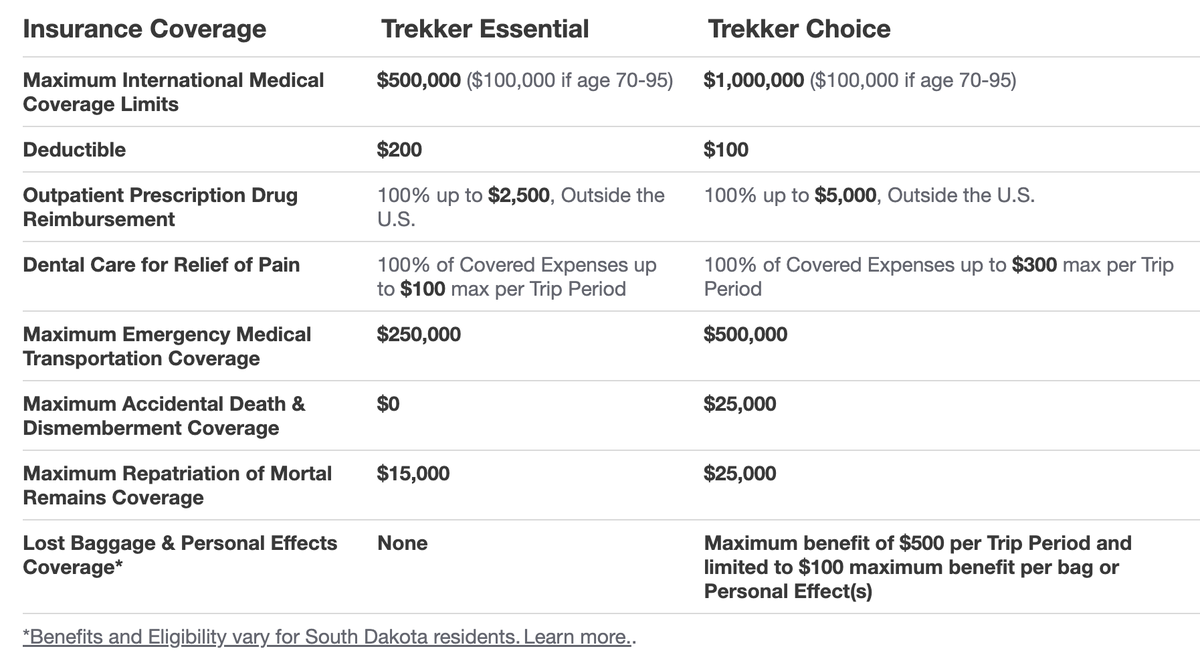
Verify coverage gaps with your domestic insurer before booking—Medicare excludes nearly all foreign medical care. Prioritize these three policies:
1. Trip cancellation insurance for non-refundable deposits if illness prevents travel
2. Travel health insurance covering medical care abroad when Medicare doesn’t apply
3. Medical evacuation insurance paying $50,000+ for emergency transport to U.S. hospitals
Call your insurer directly to confirm international coverage details. Most seniors overlook evacuation coverage until facing $100,000+ helicopter bills from remote destinations.
Enroll in STEP for Real-Time Protection
Register with the State Department’s free Smart Traveler Enrollment Program (STEP) at step.state.gov. This provides real-time security alerts for your destination, direct U.S. Embassy contacts during emergencies, and family notification if disasters strike. Update your itinerary within STEP whenever changing destinations—this ensures timely assistance if political unrest or natural disasters occur.
Assemble Emergency Response Kit in 15 Minutes
Your kit must include:
– Laminated emergency contact card (waterproofed)
– Copies of passport, prescriptions, and medical history
– Basic first aid supplies and digital thermometer
– Written list of current medications with dosages
Store this in an easily accessible daypack—not checked luggage. Pro Tip: Photograph all critical documents and email them to yourself for cloud access if originals are lost.
Post-Travel Health Monitoring After International Trips
Identify Dangerous Post-Trip Symptoms
Fever developing within two weeks of return demands immediate medical attention—many tropical diseases mimic common flu. Tell your doctor exactly where you traveled; this directs accurate testing for malaria or dengue. Watch for these red flag symptoms:
– Fever over 100.4°F persisting more than 24 hours
– Diarrhea lasting 3+ days with dehydration signs
– Unexplained rashes or severe fatigue beyond jet lag
Never dismiss “traveler’s tummy” as harmless—dehydration risks hospitalization for seniors.
Access Healthcare Abroad Safely
Research local emergency numbers before arrival (dial 112 in most countries for universal emergency access). Keep your travel insurance card visible and memorize your policy number. For non-emergencies, use your insurer’s provider network to avoid out-of-pocket costs. Critical: Never seek care at unverified clinics—counterfeit medications remain widespread in popular tourist zones.
Special Considerations for Chronic Health Conditions
Heart Disease Travel Protocol
Carry a recent EKG copy and detailed cardiac medication list. Avoid high-altitude destinations without doctor approval—thin air strains cardiovascular systems. Schedule rest days between activities and monitor exertion levels using the “talk test”: If you can’t speak comfortably while walking, slow down immediately. Never skip blood pressure medications during travel, even with time zone changes.
Diabetes Management Across Time Zones

Adjust insulin schedules gradually: Shift doses 1-2 hours daily starting one week pre-travel. Pack double glucose tablets and non-perishable snacks for flight delays. Insulin remains stable 28 days without refrigeration—use insulated travel cases with frozen gel packs for longer trips. Test blood sugar hourly during flights due to cabin pressure effects.
Wheelchair and Mobility Equipment Protection
Airlines damage mobility devices daily. Minimize risks by:
– Removing footrests and cushions before check-in
– Gate-checking wheelchairs to reduce handling
– Attaching laminated battery disconnection instructions
– Arriving 3+ hours early for special assistance
Always travel with backup mobility aids like foldable canes—delays in equipment return are common.
Money-Saving Senior Travel Hacks That Work
Optimize Travel Timing for Maximum Savings
Book flights and hotels during shoulder seasons (April-May and September-October) for up to 40% discounts. Choose Tuesday or Wednesday departures—weekend travel inflates prices by 25%. Use senior-specific fare classes; Amtrak offers 10% off for ages 65+ while National Parks provide an $80 lifetime senior pass covering all entries.
Unlock Hidden Senior Discounts
Hotels often hide senior rates from online booking sites. Call Marriott, Hilton, or Choice properties directly and ask for “AARP discount” or “senior rate”—this typically saves 10-15%. Always verify age requirements; some discounts apply from age 60, not 65. Pro Tip: Present AARP membership at car rental counters for additional savings.
Final Pre-Departure Checklist for Senior Travelers
72 Hours Before Travel:
– Confirm flight accessibility needs with airline
– Download offline maps and translation apps
– Notify banks of travel dates to prevent card blocks
– Pack weather-appropriate clothing using 10-day forecasts
Departure Day Essentials:
– Arrive 2+ hours early for domestic (3 for international)
– Wear compression socks during flights to prevent clots
– Carry empty water bottle through security
– Keep medications in original containers in carry-on
Your adventure awaits—armed with these precise health safeguards, you’ll explore with confidence. Remember: The smoothest journeys come from meticulous preparation, not luck. Pack your passport, prescriptions, and peace of mind knowing you’ve covered every critical detail. Now go create those grandkid visit memories or Mediterranean cruise stories—you’ve earned them.