
When you’re navigating airport security with a toddler while balancing luggage and a stroller, the last thing you need is a bulky car seat weighing you down. Finding the right travel booster seat solves this modern parenting dilemma—combining certified safety with practical portability that fits seamlessly into your travel routine. Whether you’re renting cars abroad, taking weekend road trips, or flying internationally with kids, the best travel booster seats deliver protection without the poundage. This guide cuts through the marketing claims to show you exactly what makes a booster seat truly travel-friendly and which models deliver the perfect balance of safety, weight, and convenience for your family’s adventures.
How Travel Booster Seats Solve Real-World Transportation Challenges
Frequent travelers quickly discover that standard booster seats become impractical when moving between vehicles or navigating airports. Travel-specific booster seats address three critical pain points that parents encounter when transporting children across different transportation scenarios.
Airport navigation becomes manageable with under-5-pound designs that fit in carry-on luggage. Unlike traditional boosters weighing 10-15 pounds, travel models like the BubbleBum (just 1 pound when deflated) eliminate the need for gate-checking heavy equipment. Parents report significant stress reduction when they can keep their child’s safety equipment with them through security and store it in overhead bins rather than surrendering it at the gate.
Rental car compatibility solves the “will it fit?” anxiety that plagues family vacations. Travel booster seats feature universal belt routing systems that work with both lap-only and lap-shoulder belts found in international rental fleets. The Chicco GoFit’s adjustable belt guides accommodate everything from compact European cars to American SUVs without requiring readjustment, preventing those frustrating moments when your standard booster won’t secure properly in an unfamiliar vehicle seat.
Collapsible designs transform storage logistics whether you’re packing suitcases or fitting three car seats across. Models like the mifold fold to the size of a tablet, sliding easily into luggage compartments without taking valuable space. This space efficiency matters most when you’re trying to maximize packing room for multiple destinations or when rental car trunks prove smaller than expected.
What Makes a Booster Seat Actually Travel-Friendly?
Not all “portable” boosters deliver on their promises. True travel functionality requires specific design elements that go beyond simple weight reduction.
Weight-to-safety ratio determines real-world usability—the sweet spot falls between 3-6 pounds where seats maintain structural integrity without becoming burdensome. Seats lighter than 3 pounds often sacrifice critical energy-absorbing foam, while those over 6 pounds defeat the purpose of travel-specific design. The Safety 1st Go-Go Expedition hits this balance at 4.8 pounds with reinforced side wings that pass rigorous crash testing.
One-step installation prevents travel fatigue when you’re exhausted after long flights. Look for seats with color-coded belt paths and tension indicators that eliminate guesswork in unfamiliar vehicles. The Evenflo BoostKid’s visual belt alignment system shows proper positioning at a glance, reducing installation time to under 30 seconds even when you’re jet-lagged and working with an awkward rental car seatbelt configuration.
Multi-vehicle adaptability covers unexpected transportation needs like taxis, rideshares, or borrowed vehicles. Premium travel boosters work with both lower and upper anchor systems (LATCH) and seatbelts, with some models like the Cosco Easy Elite featuring dual-mode installation that automatically adjusts to different vehicle types.
Critical Safety Features That Matter for Travel Scenarios
Travel booster seats must meet the same federal safety standards as standard models, but certain features become especially important when you’re outside your familiar driving environment.
Why High-Back Designs Outperform Backless Options for Travel
High-back booster seats provide three critical safety advantages that justify their slightly increased weight for most travel scenarios:
- Head and neck protection in vehicles without proper headrests – Rental cars often have low seatbacks that leave children’s heads unsupported during side impacts
- Consistent seat belt positioning across different vehicle types – The built-in guides maintain proper belt alignment regardless of seat angle or shape
- Side-impact protection zones that absorb crash forces – Premium travel models incorporate energy-absorbing foam in critical impact areas
Backless boosters work for older children in familiar vehicles but become risky when traveling internationally where seat designs vary dramatically. The Graco TurboBooster High Back solves this with removable wings that convert from high-back to backless as children grow.
Must-Verify Certification Standards for International Travel
Safety certifications vary significantly by country, creating potential compliance issues when traveling abroad:
- US travelers to Europe: Look for seats with both FMVSS 213 (US) and ECE R44/04 (European) certifications
- Airline travel: Verify your seat appears on the FAA-approved list for in-flight use
- Rental car policies: Some companies require specific certification labels visible during installation
The Diono Monterey XT meets all major international standards while folding to airline-carry-on dimensions, eliminating certification headaches when crossing borders.
Weight Comparison: Finding Your Family’s Perfect Balance

The weight of your travel booster directly impacts your entire travel experience, but the optimal weight depends on your specific travel patterns.
Ultra-Light Options (Under 3 lbs): Best for Frequent Flyers
These featherweight champions like the BubbleBum (1 lb deflated) excel for families who fly monthly or need maximum packing efficiency. They fit in personal item bags without counting against airline weight limits and clear security without special screening. However, they work best for children over 4 who can sit still for extended periods, as reduced padding affects long-drive comfort.
Balanced Portability (3-6 lbs): Ideal for Most Travelers
Models like the Cosco Finest Journey (4.2 lbs) offer the optimal compromise for families taking 2-5 trips annually. They include sufficient padding for comfort during long drives while remaining light enough to carry through airports. These seats typically fold to under 6 inches thick and include backpack straps for hands-free transport—critical when managing children and luggage simultaneously.
Feature-Rich Options (6-8 lbs): Road Trip Specialists
If you primarily travel by car rather than plane, seats like the Chicco GoFit (7.3 lbs) deliver premium comfort for extended journeys. They include features like adjustable headrests, dual cup holders, and premium cushioning that make long drives more pleasant. While too heavy for frequent air travel, these models work perfectly when leaving the seat installed in a second vehicle or rental car.
Top 3 Travel Booster Seats for Specific Travel Scenarios
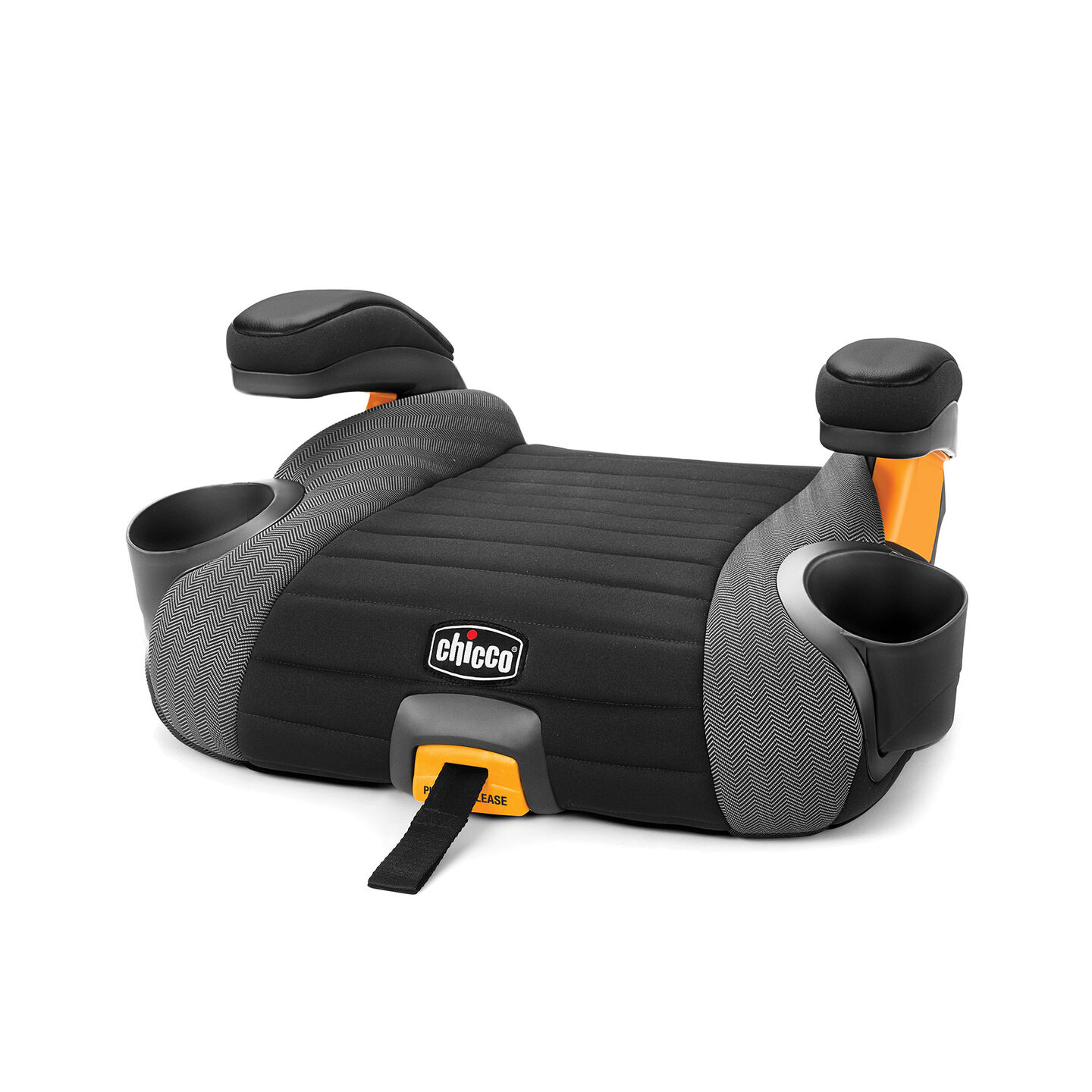
Best Overall Travel Booster: Chicco GoFit
This high-back booster hits the sweet spot between weight (4.8 lbs), safety features, and practical design. It collapses to 5.5 inches thick with a built-in carrying handle, meets both US and European safety standards, and features adjustable belt guides that work with virtually any vehicle seatbelt configuration. Parents appreciate the airline-approved design that fits in overhead bins and the machine-washable cover that handles inevitable travel messes.
Best for International Travel: Diono Monterey XT
When crossing borders, this booster delivers universal compatibility with its dual certification (FMVSS 213 and ECE R44/04). Weighing just 5.2 pounds, it folds to carry-on size while providing full side-impact protection. The reinforced aluminum frame withstands repeated packing and unpacking, and the contoured design keeps children comfortable during long transfers from airports to hotels.
Best Budget Option: Safety 1st Go-Go Expedition
At under $50, this booster surprises with premium features typically found in more expensive models. It weighs 4.8 pounds with a foldable design that fits in most airline overhead bins, includes adjustable head support, and features color-coded belt paths that simplify installation in rental cars. While lacking some premium touches of higher-end models, it delivers certified safety at a price point that makes replacement feasible after extensive travel use.
Avoid These Common Travel Booster Seat Mistakes
Prioritizing Weight Over Proper Fit
Many parents select the lightest possible seat only to discover their child doesn’t fit properly in the chosen model. A booster that’s too small forces improper seat belt positioning, creating dangerous slack during impacts. Always verify your child’s height and weight against the manufacturer’s specifications—most travel boosters accommodate children between 40-100 pounds, but seating depth and width vary significantly.
Ignoring Installation Learning Curve
Even simple booster seats require practice for proper installation. Test your travel booster in your own vehicle before your trip, allowing your child to practice sitting correctly. This preparation prevents stressful installation attempts when you’re already fatigued from travel and working with unfamiliar vehicle seatbelt mechanisms.
Overlooking Airline Policies
While most airlines permit booster seats as carry-ons, policies vary regarding gate checking and storage. Contact your airline before traveling to confirm their specific policies—some require booster seats to be checked if overhead bin space is limited, while others allow them as personal items regardless of size.
Maintaining Safety While Maximizing Convenience

The best travel booster seat becomes useless if it’s too inconvenient to use consistently. Implement these strategies to ensure proper usage across all your travel scenarios:
Create a dedicated travel bag that includes the booster seat, installation instructions printed from the manufacturer’s website, and a compact demonstration video on a USB drive. This eliminates fumbling with unfamiliar seatbelt systems in rental cars.
Practice “booster seat readiness” at home by keeping the seat assembled near your door. Families who treat their travel booster like everyday equipment rather than special travel gear achieve significantly higher consistent usage rates.
Verify seat condition before each trip by checking for cracks in plastic components, frayed straps, and proper folding mechanism operation. Travel seats experience more handling stress than home models and require more frequent inspection.
Final Decision-Making Framework
Choosing the best travel booster seat ultimately depends on matching specific product capabilities to your family’s actual travel patterns. Complete this quick assessment before purchasing:
- If you fly more than 4 times yearly: Prioritize seats under 4 pounds with airline-approved dimensions
- If you primarily take road trips: Focus on comfort features and easy transfer between vehicles
- If traveling internationally: Verify dual safety certifications matching your destination countries
- For children under 4: Choose high-back models with maximum head and neck support
Remember that any certified booster seat used consistently provides dramatically better protection than no restraint at all. The perfect travel booster isn’t the lightest or most feature-rich option—it’s the one that fits your family’s specific travel patterns while keeping your children properly protected in every vehicle you enter. By prioritizing your actual usage scenarios rather than marketing claims, you’ll find the travel booster that transforms transportation stress into safe, seamless family adventures.