
Traveling with a drone opens up incredible aerial photography opportunities, but selecting the right model requires careful consideration of portability, regulations, and performance. Many travelers find themselves overwhelmed by choices when trying to balance compact design with professional-quality imaging capabilities. This guide cuts through the confusion with actionable advice for finding the best drone travel companion that fits your specific needs, budget, and destination requirements.
Without proper research, you might end up with a drone that’s either too bulky for your luggage or lacks the camera quality to capture those once-in-a-lifetime moments. The right travel drone should disappear into your backpack while delivering stunning footage that elevates your travel storytelling. Whether you’re hiking remote trails or navigating urban environments, understanding key features will transform your aerial photography experience.
Compact Drone Models That Fit Any Travel Itinerary
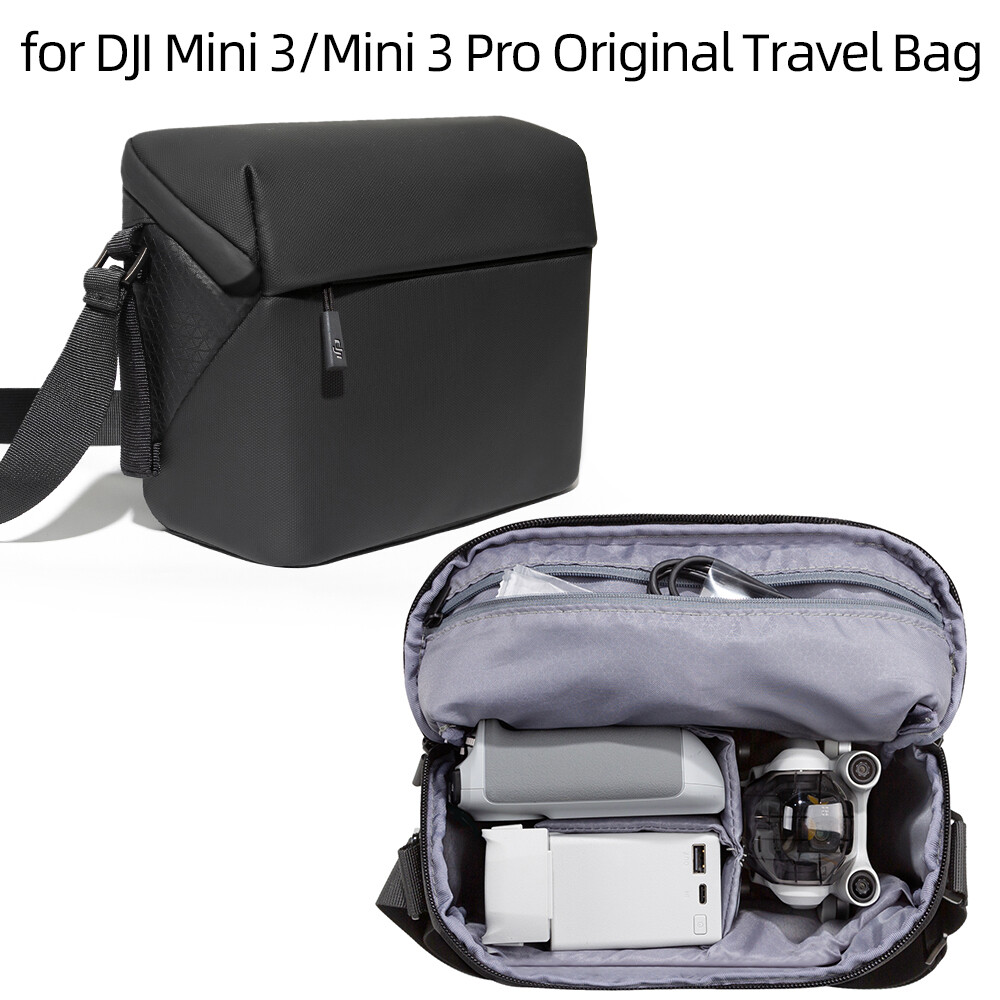
When space is limited in your luggage, the physical dimensions and weight of your drone become critical decision factors. The best travel drones feature foldable designs that collapse into remarkably small footprints without compromising flight stability or camera capabilities.
DJI Mini Series: Under 250g Regulations Advantage
Drones weighing less than 250 grams offer significant travel advantages in many countries. This weight threshold often exempts you from registration requirements and opens more flying locations. The DJI Mini series capitalizes on this regulatory sweet spot with models that deliver impressive 4K video capabilities while staying comfortably under this crucial weight limit.
Key travel benefits of sub-250g drones:
– No registration required in many countries including the United States
– Greater access to national parks and restricted areas
– Easier security screening at airports
– Minimal impact on your luggage weight allowance
When traveling internationally, always verify local drone regulations as weight thresholds vary by country. Some destinations maintain stricter limits, while others have no weight-based exemptions.
Folding Mechanism Quality Determines Travel Durability
The folding mechanism represents one of the most failure-prone components in portable drones. Budget models often feature flimsy hinges that wear out after repeated folding, while premium travel drones incorporate reinforced joints designed for hundreds of deployment cycles.
What to check before purchasing:
– Hinge resistance (should feel solid, not loose)
– Locking mechanisms that prevent accidental unfolding
– Material quality at folding points
– User reviews specifically mentioning hinge durability
A well-designed folding system shouldn’t require excessive force to deploy or collapse, and should maintain structural integrity after multiple travel cycles. Test this in-store if possible before committing to a purchase.
Essential Pre-Travel Drone Regulations Checklist
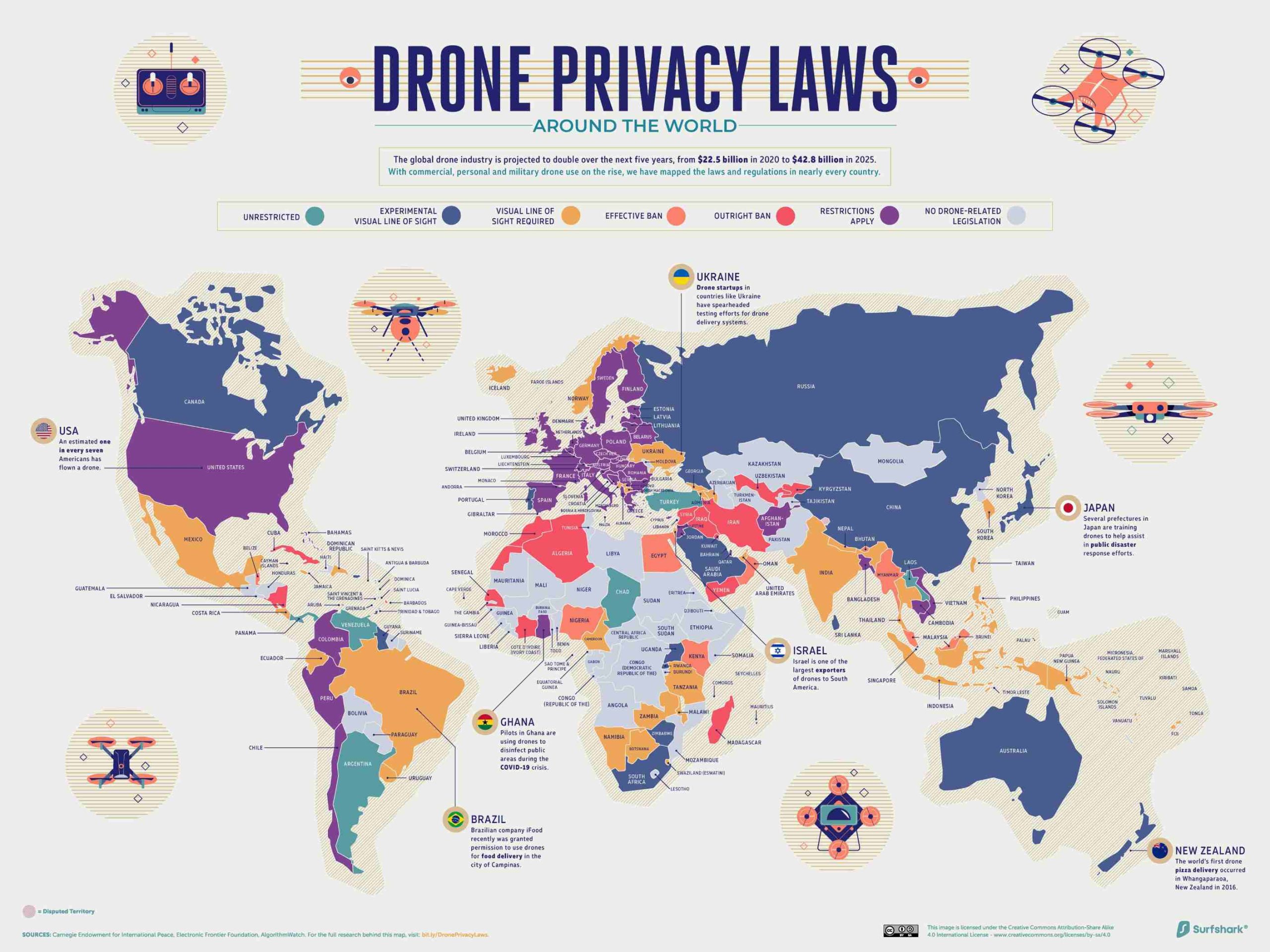
Ignoring drone regulations can lead to confiscated equipment, fines, or even legal trouble in foreign countries. The best drone travel experience begins with thorough regulatory research before you even pack your bags.
Country-Specific Drone Laws You Must Verify
Drone regulations vary dramatically around the world, with some countries maintaining extremely restrictive policies. Before traveling, research these critical aspects for your destination:
- Registration requirements (some countries require registration even for small drones)
- No-fly zones (often extending beyond airports to include government buildings and historical sites)
- Visual line-of-sight requirements (some countries prohibit first-person view flying)
- Altitude restrictions (typically lower than in your home country)
- Permit processes (can take weeks to obtain in some destinations)
Apps like B4UFLY (USA), Drone Assist (UK), and OpenSky (multiple countries) provide updated regulatory information, but always verify with official government sources as apps may not reflect the most current regulations.
Airline Policies for Transporting Drone Batteries
Lithium-polymer batteries power virtually all consumer drones, and airlines maintain strict policies regarding their transportation. Most carriers prohibit drone batteries in checked luggage due to fire risks, requiring them to travel in your carry-on with specific capacity limitations.
Critical battery travel guidelines:
– Batteries under 100 watt-hours generally permitted (most travel drones fall in this category)
– Maximum two spare batteries above 100Wh typically allowed
– Batteries must be protected from short-circuiting (use original cases or tape terminals)
– Some airlines require batteries below 30% charge for transport
Always check with your specific airline 72 hours before departure, as policies frequently change and vary between carriers. Consider traveling with partially charged batteries to comply with potential requirements.
Packing Strategies for Safe Drone Transportation
How you pack your drone determines whether it arrives at your destination ready to fly or in need of repairs. The vibrations and pressure changes during travel can damage delicate components if not properly secured.
Protective Case Selection for Maximum Security
Generic foam cases often leave dangerous gaps where your drone can shift during transit. The best travel solution combines a hard-shell case with custom-cut foam that holds every component securely in place.
Case features worth the investment:
– Waterproof and dustproof ratings (IP67 minimum)
– Pressure release valves for altitude changes
– Custom compartments for controllers, batteries, and accessories
– Stackable design for multiple drone systems
– TSA-approved locks for security screening
For international travel, consider cases with universal power adapters built into the design, eliminating the need for separate converters when charging abroad.
Climate Considerations for Drone Travel
Extreme temperatures significantly impact drone performance and battery life. Cold environments drain batteries rapidly, while high humidity can cause condensation inside camera lenses and electronics.
Climate-specific travel tips:
– In cold weather: Keep batteries warm in an inner pocket until flight time
– In humid environments: Use silica gel packs in your case and allow equipment to acclimate
– At high altitudes: Expect reduced flight times due to thinner air
– Near water: Rinse drone with fresh water after saltwater exposure
Always allow your drone to reach ambient temperature before powering on after moving between dramatically different environments (like from air-conditioned hotel to tropical heat).
Optimizing Flight Time for Travel Photography

Limited battery life becomes especially problematic when traveling, as recharging opportunities may be scarce during excursions. Understanding how to maximize your flight time ensures you capture those fleeting travel moments.
Battery Management Techniques for Remote Locations
Carrying multiple batteries extends your shooting window, but proper management prevents unexpected power failures. Smart travelers implement these battery practices:
- Pre-flight preparation: Fully charge all batteries the night before, then discharge to 50% for storage
- Temperature control: Keep spares warm in cold environments or cool in extreme heat
- Rotation system: Use batteries in sequence rather than depleting one completely
- Power monitoring: Land with at least 20% battery remaining for safety margin
For extended travel without reliable power sources, consider portable solar chargers specifically designed for drone batteries, though these add weight to your kit.
Location Scouting for Efficient Flying
Wasting battery searching for good compositions defeats the purpose of traveling with a drone. Successful travel drone photographers plan flight locations in advance to maximize shooting time:
- Use satellite imagery apps to identify interesting patterns and features
- Scout potential flight locations during daytime for evening golden hour shoots
- Identify safe takeoff/landing zones away from people and obstacles
- Note wind patterns and potential interference sources
This preparation allows you to capture more footage in less flight time, preserving batteries for multiple shooting sessions throughout your trip.
Maintenance Essentials for Traveling Drone Owners
Travel exposes your drone to more wear and tear than regular use at home. Sand, dust, moisture, and temperature fluctuations require proactive maintenance to keep your equipment functioning properly throughout your journey.
Quick Field Cleaning Techniques
Basic cleaning after each flight prevents buildup that can damage components. Carry these lightweight maintenance items:
- Microfiber cloths (lint-free for lenses)
- Compressed air in small cans (check airline regulations)
- Soft-bristle brush for motor debris
- Isopropyl alcohol wipes for stubborn residue
Focus cleaning on motor vents, camera lenses, and folding joints where debris accumulates most. Never use excessive moisture near electronics, and always power down completely before cleaning.
Pre-Flight Safety Checks While Traveling
Travel vibrations can loosen components that compromise flight safety. Implement this 60-second pre-flight checklist before every flight:
- Verify all propellers are securely attached and undamaged
- Confirm gimbal movement is smooth and unrestricted
- Check for debris in motor vents and propeller guards
- Ensure folding mechanisms are fully locked
- Calibrate compass if traveling significant distances
- Verify controller connections and battery levels
Skipping these quick checks risks mid-air failures that could result in losing your drone in unfamiliar territory—far from replacement options.
Final Note: Choosing the best drone for travel requires balancing portability, regulations, and performance. Focus on models under regulatory weight thresholds, research destination-specific laws thoroughly, and pack with protective cases designed for travel stresses. By following these guidelines, you’ll maximize your aerial photography opportunities while minimizing risks during your adventures. Remember that the best travel drone is the one that reliably captures your journey without creating logistical headaches—prioritize reliability and regulatory compliance over cutting-edge features that may complicate your travels.