
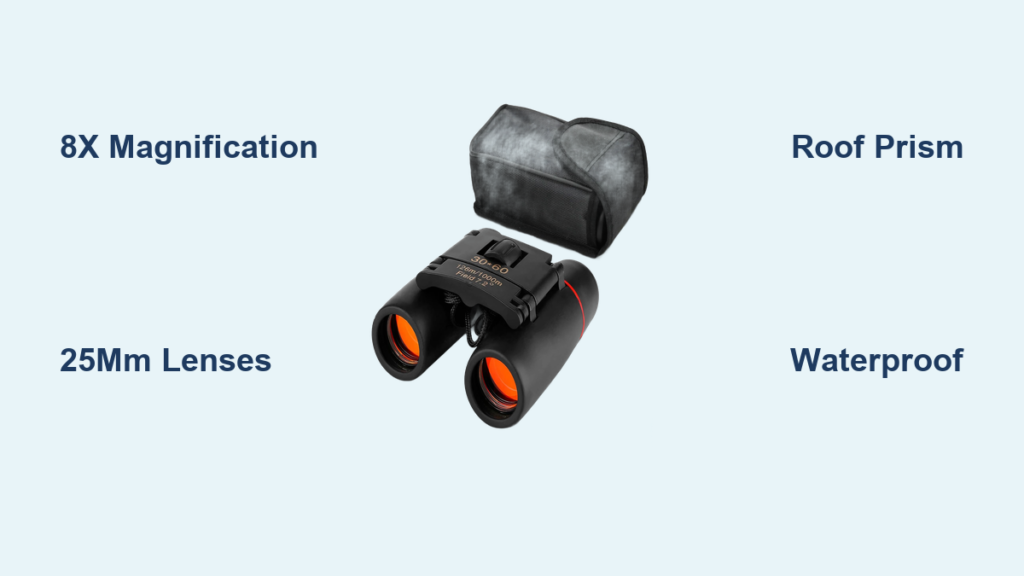
Finding the right optical companion for your journeys can transform ordinary travel experiences into extraordinary observations of wildlife, landscapes, and hidden details that most travelers miss. Small travel binoculars occupy a unique niche in the optical marketplace, offering a carefully calibrated balance between magnification power, objective lens size, and physical portability that allows adventurers to pack serious viewing capability without sacrificing precious luggage space or adding unbearable weight to their loads. Whether you’re a bird watcher chasing lifelist species through foreign forests, a scenic enthusiast desperate to bring distant mountain vistas closer, or simply a curious traveler wanting to extract more wonder from every destination, understanding what distinguishes exceptional small travel binoculars from mediocre options ensures your investment delivers years of rewarding observation experiences.
The market for compact optical equipment has evolved dramatically in recent years, driven by technological advances that allow manufacturers to pack remarkable clarity into increasingly pocket-friendly frames. However, navigating this expanded landscape requires understanding the specifications, features, and trade-offs that determine real-world performance. This guide consolidates everything you need to know to select, purchase, and maximize the value of your small travel binoculars, whether your budget stretches into the hundreds or you need functional performance at minimal cost.
Essential Features That Define Quality Small Travel Binoculars
Magnification Power: Finding Your Ideal Range
Small travel binoculars typically offer magnification between 6x and 12x, with 8x and 10x representing the sweet spots for most travelers. Lower magnification around 6x to 8x delivers wider fields of view that make tracking moving subjects dramatically easier. These lower-magnification options also produce brighter images and remain more stable during handheld viewing since the magnified view shakes less than higher magnification alternatives.
Higher magnification in the 10x to 12x range brings distant subjects into crisper detail, making these configurations ideal for wildlife observers who need to identify species at considerable distances. The trade-offs include narrower fields of view that require more precise aiming, greater susceptibility to hand shake, and dimmer images that perform poorly in challenging lighting conditions. For most travel applications where versatility matters most, 8x magnification provides the most practical balance between detail retrieval and everyday usability.
Objective Lens Diameter and Light-Gathering Capability
The objective lens—located at the front of each barrel—determines how much light your binoculars can gather, directly influencing image brightness and performance in low-light conditions. Small travel binoculars typically feature objective lenses between 20mm and 32mm in diameter, with 25mm and 30mm representing the most common configurations that balance light-gathering ability with compact physical dimensions.
A 30mm objective lens collects approximately 56% more light than a 25mm lens, a difference that becomes immediately apparent during twilight observation or when viewing shaded subjects. However, this enhanced light gathering comes with increased size and weight, making objective lens diameter a critical optimization parameter for travelers who count every gram and cubic inch of packing space. When evaluating options, calculate the exit pupil (objective diameter divided by magnification) to understand low-light performance—ideal travel binoculars should offer at least a 2.5mm exit pupil for decent low-light capability.
Understanding Prism Systems and Their Impact

Prism systems correct the inverted image produced by objective lenses, and the choice between Porro prism and roof prism configurations significantly affects optical quality, physical dimensions, and cost. Porro prisms use a characteristic Z-shaped light path that produces offset barrels and generally delivers superior depth perception and wider fields of view at equivalent price points.
Roof prisms employ straighter light paths allowing parallel barrel alignment and more compact physical profiles that better suit travel applications. Modern roof prism binoculars often incorporate sophisticated phase-corrected coatings that resolve interference issues inherent in roof prism designs. When evaluating roof prism models, verify that phase correction is specified, as this technology significantly impacts the sharpness and contrast you can expect from your investment. For travelers prioritizing packability, roof prism designs generally provide the most space-efficient option without compromising optical quality.
Decoding Technical Specifications for Smarter Purchasing
Field of View and Its Practical Significance
Field of view describes the width of the visible area observable through your binoculars, typically expressed in feet at 1000 yards. This specification directly impacts how easily you can locate and track subjects, observe panoramic scenes, and maintain situational awareness during wildlife observation or navigational tasks. Small travel binoculars generally offer fields of view ranging from approximately 300 to 500 feet at 1000 yards.
The practical difference between a 300-foot field of view and a 400-foot field of view becomes apparent when observing moving subjects. At 300 feet, a bird in flight requires constant steering to maintain in view, while the wider field allows more intuitive tracking with minimal barrel movement. For travel scenarios involving unfamiliar environments, wider fields of view facilitate landmark identification and provide navigational assistance that enhances overall travel safety and enjoyment. When selecting the best small travel binoculars, prioritize wider fields of view if you’ll be observing active subjects or navigating through complex landscapes.
Eye Relief and Eyewear Compatibility
Eye relief measures the distance between the eyepiece and your eye at which the full field of view remains visible, typically ranging from 10mm to 20mm for modern binoculars. This specification proves essential for comfortable extended viewing and absolutely critical for travelers who wear prescription glasses and cannot position their eyes flush against the eyepiece.
Travelers wearing prescription glasses should prioritize binoculars offering at least 14mm to 16mm of eye relief to ensure comfortable, full-field viewing. Twist-up eyepieces with multiple detent positions allow users to customize eye relief for their specific needs, with the fully extended position typically providing maximum eye relief for eyeglass wearers. The quality of the viewing experience for spectacle wearers depends on both eye relief distance and the design of the eyepiece cup—contoured or tapered cups help maintain proper eye position while blocking peripheral light that could degrade image contrast.
Optical Coatings and Image Quality
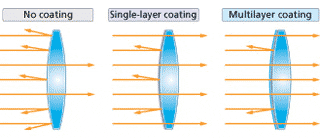
Optical coatings represent one of the most significant factors differentiating premium from budget binoculars, directly affecting light transmission, image brightness, color accuracy, and contrast. Uncoated glass surfaces reflect approximately 4% of incident light at each air-to-glass interface, meaning an uncoated binocular can lose significant light to reflection, resulting in dim, low-contrast images.
Anti-reflection coatings, typically applied in multiple layers and designated as coated, fully coated, multi-coated, or fully multi-coated, reduce reflected light and increase overall light transmission. Fully multi-coated optics, where all air-to-glass surfaces receive multiple coating layers, represent the premium standard, delivering light transmission exceeding 90% and producing noticeably brighter, sharper images with accurate color rendition. Phase correction coatings address a specific issue in roof prism binoculars where light waves become phase-shifted upon reflection, causing interference that reduces sharpness and contrast. Roof prism models featuring phase-corrected coatings produce images comparable to or exceeding Porro prism quality.
Premium Small Travel Binoculars for Serious Enthusiasts
High-Performance Options Worth the Investment
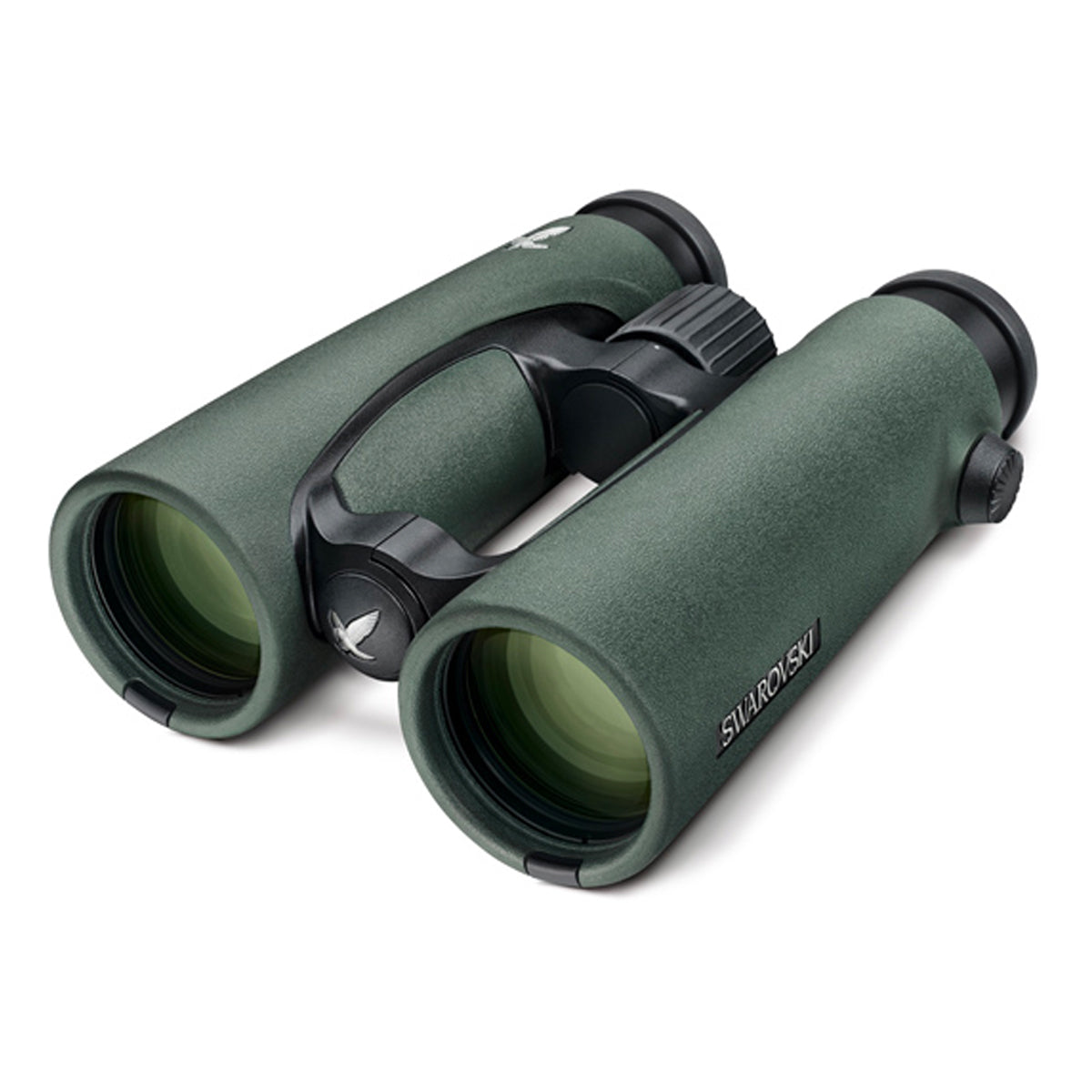
Premium small travel binoculars in the $300-$600 price range deliver exceptional optical performance, durable construction, and advanced features that justify their elevated cost for serious enthusiasts. These instruments typically incorporate premium optical glass, sophisticated multi-coating processes, and precise mechanical construction that produces images rivaling full-sized optics while maintaining compact portability.
Leading models in this category feature 8x or 10x magnification with 25mm to 30mm objective lenses, fully multi-coated optics with phase-corrected roof prisms, waterproof nitrogen-purged construction, and high-quality eyepieces with generous eye relief. Technical specifications commonly include magnification ranging from 8x to 10x, objective lens diameters of 25mm to 30mm producing exit pupils between 2.5mm and 3.75mm, fields of view spanning 330-420 feet at 1000 yards, eye relief measuring 14mm to 18mm, and weights between 10-16 ounces. Premium models from established manufacturers incorporate proprietary optical technologies including specialized glass formulations that reduce chromatic aberration and advanced coating systems that maximize light transmission across the visible spectrum.
Mid-Range Quality Binoculars Offering Excellent Value
Balancing Performance and Budget
The $100-$300 price range offers substantial value for travelers seeking quality optics without premium pricing, delivering reliable performance, adequate durability for travel applications, and sufficient feature sets for most observation scenarios. These models represent the sweet spot for many travelers, balancing performance requirements with budget constraints.
Mid-range models commonly feature multi-coated optics on at least some surfaces, quality roof prisms with phase correction, waterproof construction that handles rain and humidity effectively, and reasonable weight profiles suitable for extended carry. Specifications for quality mid-range small travel binoculars typically include magnification of 8x or 10x, objective lens diameters of 25mm to 28mm producing exit pupils between 2.5mm and 3.5mm, fields of view spanning 300-390 feet at 1000 yards, eye relief measuring 12mm to 16mm, and weights between 12-20 ounces. Waterproof construction is standard in this price range, though some models may lack nitrogen purging that prevents internal fogging during temperature transitions.
Budget-Friendly Options for Casual Users and Beginners
Entry-Level Binoculars That Deliver Satisfactory Performance
Budget-priced small travel binoculars under $100 provide accessible entry points for casual users, beginners testing their interest in optical observation, or travelers seeking functional backup instruments at minimal cost. While budget models necessarily compromise on materials, construction quality, and optical performance compared to premium alternatives, several options deliver surprisingly capable performance for light to moderate use.
Budget binoculars typically feature coated rather than fully multi-coated optics, standard roof or Porro prisms without phase correction, plastic or basic rubber housing, and simpler focus mechanisms. Specifications for budget small travel binoculars generally include magnification ranging from 8x to 12x, objective lens diameters of 20mm to 25mm producing exit pupils between 2.0mm and 3.1mm, fields of view spanning 260-350 feet at 1000 yards, eye relief measuring 9mm to 14mm, and weights between 8-16 ounces. Water resistance is typically limited to basic splash resistance rather than true waterproofing.
Care and Maintenance for Years of Reliable Service
Proper Storage and Transportation Practices
Proper storage and transportation protect binoculars from damage and environmental exposure during periods of non-use, with appropriate practices significantly extending service life and maintaining optical performance over years of ownership. Storage should occur in protective cases that shield against impacts, dust, and humidity between uses. Hard cases provide superior impact protection for transport, particularly when binoculars share luggage with other items that could cause crushing or impact damage.
Cases should include desiccant packets or silica gel to absorb internal moisture, particularly in humid storage environments where humidity can accumulate even in sealed cases. Extreme temperature variations can stress housing materials and affect optical alignment, making climate-controlled storage preferable to attics, garages, or vehicle trunks where temperatures swing dramatically. When traveling, avoid leaving binoculars in direct sunlight inside vehicles or exposed to extreme temperature fluctuations that can damage internal components and optical coatings.
Final Recommendations for Finding Your Perfect Travel Companion
Selecting the best small travel binoculars for your needs requires balancing optical performance requirements against portability priorities, matching specifications to your intended activities, and investing appropriately for your usage frequency and quality expectations. For travelers seeking versatile performance across diverse observation scenarios without carrying multiple instruments, 8x magnification with 25mm to 28mm objective lenses provides the most practical configuration, balancing detail retrieval with field of view, light gathering capability, and compact dimensions.
Prioritize fully multi-coated optics with phase-corrected roof prisms from established manufacturers, select waterproof construction if your travels include any water exposure, and ensure adequate eye relief if you wear prescription glasses. Your investment should match your commitment to observation activities and the value you place on optical quality. Whatever your budget and requirements, proper care and maintenance will ensure your chosen binoculars deliver years of rewarding observation experiences that enhance every journey with details and wonders that remain invisible to unaided eyes.