
Finding the right travel knife can transform your culinary experiences on the road, yet the selection process involves navigating TSA regulations, evaluating blade materials, and balancing portability against performance. Whether you’re a frequent traveler who wants to prepare hotel room meals, a camping enthusiast seeking a reliable cutting tool, or simply someone who refuses to use dull hotel scissors, this guide will help you identify the perfect travel knife for your specific needs. The market offers dozens of options ranging from budget folding knives to premium fixed-blade designs, and understanding the key differences ensures you’ll make an investment that serves you well for years of adventures ahead. With the right travel knife in your pack, you’ll never have to compromise on meal quality while exploring new destinations.
TSA-Approved Blade Lengths for Carry-On Luggage
Knowing exactly what blade lengths comply with TSA regulations prevents embarrassing airport encounters and potential confiscations. The Transportation Security Administration permits folding knives with blades measuring 4 inches or less in carry-on luggage, provided the knife can fold completely closed and presents no locking mechanism concerns. However, these federal guidelines represent only the baseline—individual airlines may enforce stricter policies, and international destinations maintain their own completely separate rules that could result in confiscated property or legal complications.
How Airlines Interpret TSA Knife Policies Differently
When selecting your travel knife, research specific airline policies as they often exceed TSA minimum standards. While TSA allows 4-inch blades in carry-on, airlines like Delta and American Airlines explicitly prohibit all knives regardless of blade length. Southwest Airlines follows TSA guidelines strictly but may deny boarding if security personnel interpret your knife as potentially dangerous. Always check your carrier’s specific policy before packing, as even TSA-compliant knives can be confiscated at the gate if airline policies differ.
International Travel Knife Restrictions You Must Know
Traveling internationally requires additional research as knife laws vary dramatically by country. European nations like France and Germany permit folding knives under 8.5 cm (about 3.3 inches) with no locking mechanism, while UK regulations limit blades to 3 inches with no locking feature. Asian destinations present the strictest challenges—Japan bans all folding knives regardless of blade length, while Singapore imposes severe penalties for possession of any blade over 3 inches. Research your destination’s specific laws before packing, and when uncertainty exists, err on the side of caution by leaving problematic items at home.
Stainless Steel vs. Carbon Steel: Travel Knife Material Showdown

The steel composition of your travel knife blade directly impacts edge retention, corrosion resistance, and overall durability—making material selection one of the most critical decisions in your purchasing process. Stainless steel variants dominate the travel knife market due to their inherent resistance to rust and staining, which proves essential when you’re cutting acidic foods in humid environments or storing your knife damp between uses. Premium stainless steels like VG-10, S30V, and S90V offer exceptional edge retention that justifies their higher price points, while more accessible options like 8Cr13MoV and 420HC provide adequate performance for casual users.
Why Carbon Steel Requires Special Care During Travel
Carbon steel blades deliver superior edge sharpness and easier sharpening when maintenance becomes necessary, but require immediate attention after each use. These knives develop a protective patina over time that prevents rust, but during travel when cleaning opportunities may be limited, carbon steel can oxidize quickly when exposed to moisture or acidic foods. Professional chefs who travel frequently often carry small oil bottles and dedicated cleaning cloths to maintain carbon steel knives properly, but this level of maintenance proves impractical for most casual travelers. For journeys where you might go days between opportunities for proper knife care, stainless steel generally presents the more practical choice.
Optimal Blade Lengths for Different Travel Scenarios

Blade length for travel purposes typically falls in the 3 to 5-inch range, balancing sufficient cutting capacity for most food preparation tasks against the compact size that streamlines packing and complies with length restrictions. Knives at the shorter end of this spectrum sacrifice some versatility but offer maximum portability and legal peace of mind, while longer blades provide more comfortable cutting experiences at the cost of slightly increased packing footprint.
3-Inch Paring Knives: The Ultimate Compact Solution
A 3-inch paring knife handles nearly all travel cutting requirements if you primarily process small items like fruits, vegetables, and sandwiches. These ultra-compact knives easily fit in pocket sheaths or small pouches, making them ideal for carry-on luggage where space is limited. The reduced blade length significantly decreases the likelihood of TSA questioning your knife, and most international destinations permit this size without issue. While limited for bread slicing or breaking down larger proteins, the portability advantages make 3-inch knives the top choice for business travelers and minimalist packers.
4-5 Inch Chef Knives: Maximum Versatility for Serious Travelers
Those who regularly prepare full meals while traveling benefit from the additional capability of a 4 to 5-inch blade. This size provides enough cutting surface for comfortable slicing of bread, proteins, and larger vegetables while remaining TSA-compliant when folded. The slightly longer blade reduces the number of cuts needed for most tasks, conserving energy when preparing meals in less-than-ideal conditions. Fixed-blade versions in this range must travel in checked luggage only, while folding versions with proper locking mechanisms can travel in carry-ons within regulations.
Secure Locking Mechanisms That Won’t Fail Mid-Cut
Folding travel knives require secure locking mechanisms that prevent accidental closure during use—a failure that could result in serious injury and certainly represents a risk no traveler should accept. Liner locks, among the most common designs, utilize a thin metal strip inside the handle that engages the blade’s spine when opened, providing reasonably secure retention that experienced users can release single-handedly. Frame locks function similarly but employ the handle scale itself as the locking element, typically offering stronger retention at the cost of slightly more effort to disengage.
Lockback vs. Slip-Joint: Safety Tradeoffs for Travelers
Lockback designs feature a spine-mounted latch that engages a notch in the blade’s back, providing excellent security with intuitive operation that many users find more reliable than liner or frame alternatives. These knives offer maximum safety during aggressive cutting tasks but may face restrictions in destinations that specifically prohibit locking knives. Slip-joint knives without locking mechanisms present the most legally accessible option, relying on spring tension and careful use to maintain blade position during cutting. Many traditional European pen knives employ this design, which complies with regulations that specifically target locking knives while providing adequate security for light to moderate cutting tasks.
Travel-Friendly Storage Solutions That Protect Your Knife
Effective travel knife selection requires considering not just the knife itself but the complete storage ecosystem that protects both the blade and your luggage contents. Quality sheaths or knife rolls prevent blade damage while protecting surrounding items from accidental cuts during transport, with rigid options providing superior protection at the cost of increased bulk. Soft fabric sheaths offer compressibility that streamlines packing but provide less impact protection—a trade-off worth considering based on your typical luggage handling circumstances.
Magnetic Storage Options for Hotel Room Convenience
Magnetic knife holders and travel-friendly magnetic strips provide elegant storage solutions for hotel rooms or vacation rentals, securing your knife safely away while keeping it readily accessible for meal preparation. These systems work best with ferromagnetic knives and require secure mounting that might not suit all travel accommodations, though portable magnetic boards that stick via adhesive or suction cups offer flexible options for temporary installation. Consider whether your typical destinations provide suitable storage surfaces or whether you require alternative solutions.
Budget vs. Premium Travel Knives: Where to Invest
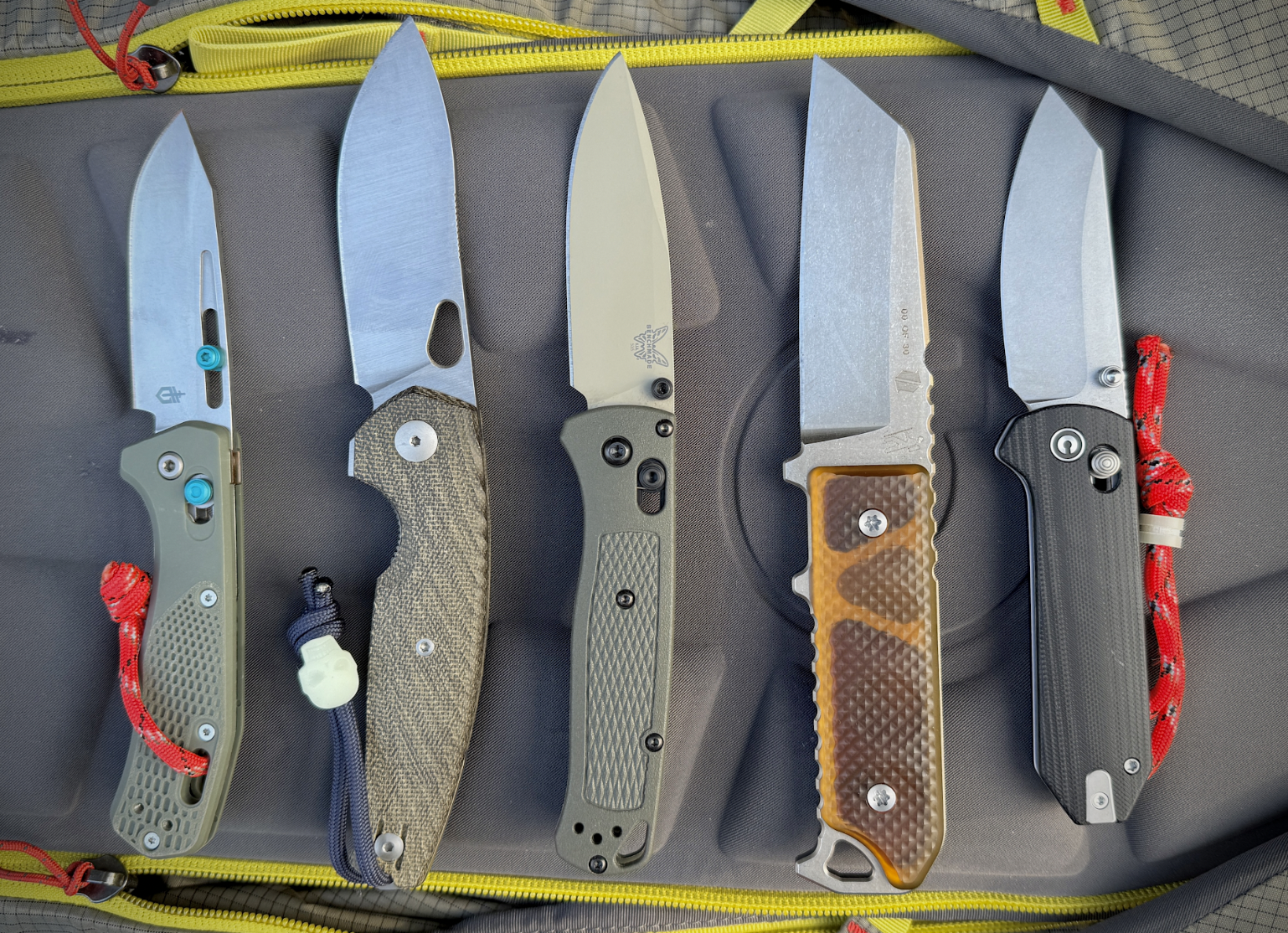
The travel knife market spans from sub-$20 budget options to premium designs exceeding $200, with meaningful performance differences existing across this spectrum that justify various price points for different users. Entry-level knives from reputable brands provide adequate cutting performance and reasonable durability for occasional travelers who might use their knife a few times annually.
Mid-Range Knives: The Sweet Spot for Frequent Travelers
Mid-range options between $50 and $100 often represent the best value for regular travelers, offering substantial improvements in blade steel quality, handle materials, and overall construction refinement without approaching premium pricing. These knives typically feature better edge retention, more comfortable ergonomics, and more durable construction that justifies the additional investment for anyone who travels frequently enough to justify the cost. Brands like Spyderco, Benchmade, and Cold Steel populate this range with numerous excellent options suited to travel applications.
Essential Maintenance for Travel Knife Longevity
Maintaining your travel knife during trips requires planning for sharpening, cleaning, and protection against the elements that degrade knife performance over time. Compact sharpening solutions like pull-through sharpeners, diamond rods, and ceramic stones enable edge maintenance between uses, with the appropriate choice depending on your knife’s steel type and your sharpening skill level.
Quick Cleaning Techniques for Limited Facilities
Cleaning procedures should occur after every use, even when thorough cleaning isn’t immediately possible—wiping the blade clean and dry prevents food residue from corroding the steel and eliminates cross-contamination concerns. Packaged wet wipes, small bottles of dish soap, and microfiber cloths enable effective cleaning in hotel bathrooms or campsite facilities, while quick-drying blade designs minimize the time between cleaning and storage. Establishing a consistent cleaning routine protects your investment while ensuring hygienic food preparation throughout your travels.
Matching Your Travel Knife to Your Specific Adventure Style
Different travel patterns and purposes demand different knife characteristics, making thoughtful matching between your needs and available options essential for satisfaction with your selection. Business travelers visiting hotels with limited kitchen facilities typically need compact, easy-to-clean options that handle simple meal preparation without requiring extensive equipment or counter space.
Outdoor Adventurers: Fixed-Blade vs. Folding Knife Dilemma
Camping and outdoor enthusiasts require knives that handle demanding tasks beyond typical food preparation, potentially including rope cutting, feather sticking, and emergency preparedness applications. These users often benefit from fixed-blade designs that provide maximum durability and reliability, checked in durable containers that protect both the knife and luggage handlers. Consider whether your outdoor activities involve tasks that folding knives handle poorly, as this determination significantly influences appropriate design selection.
Final Selection Tips for Your Perfect Travel Companion
Selecting your ideal travel knife requires synthesizing all discussed factors into a coherent decision that balances competing priorities according to your specific circumstances. Begin by establishing non-negotiable requirements—typically including blade length compliance with your typical destinations, handle comfort during realistic cutting tasks, and construction quality that survives travel demands.
Test Before You Travel: The Importance of Hands-On Evaluation
Test potential selections physically when possible, as handle feel and blade balance vary significantly between models despite similar specifications. Visit knife specialty retailers or attend knife shows to handle options before purchasing, as the difference between a comfortable and uncomfortable knife becomes immediately apparent through direct comparison. Online reviews provide valuable perspective from users with similar use patterns, though nothing replaces hands-on evaluation for personal comfort assessment. Once you’ve selected your travel knife, commit to proper care and maintenance that protects your investment and ensures years of reliable service across countless journeys.