
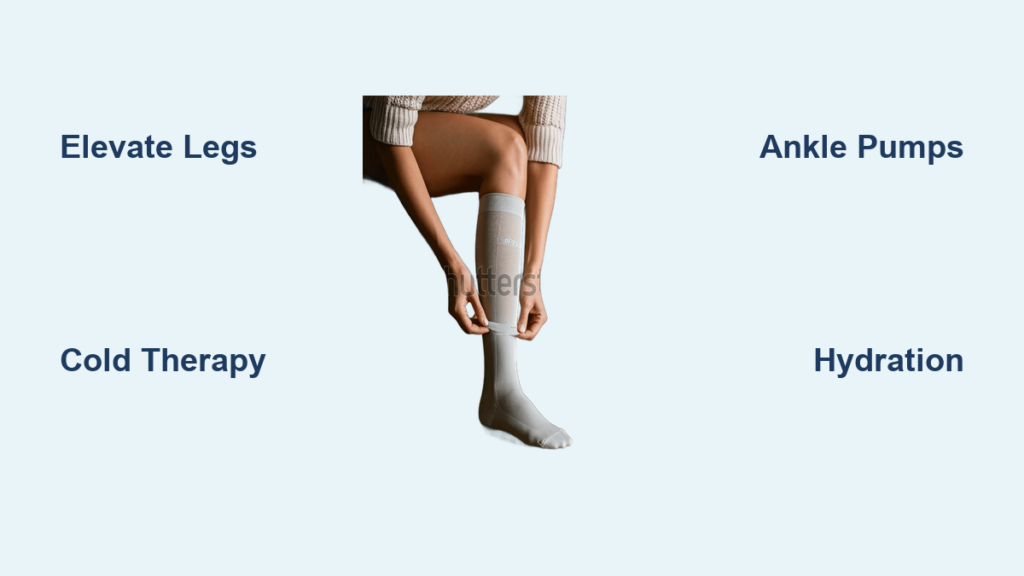
You step off the plane after a 10-hour flight, only to discover your ankles have vanished inside your socks. That tight, puffy feeling in your calves isn’t just uncomfortable—it makes walking feel like wading through wet cement. Swollen legs after travel affect nearly 70% of long-haul passengers, turning what should be the start of an adventure into a painful slog to baggage claim. The good news? You don’t need medical intervention to reverse this common travel side effect. By implementing specific countermeasures within the first 30 minutes of landing, you can shrink that puffiness significantly. This guide delivers exactly how to reduce leg swelling after travel using proven, doctor-recommended techniques you can start immediately—no special equipment required.
Ignoring post-travel swelling risks more than discomfort. Left untreated, fluid buildup can trigger circulation problems that linger for days. Whether you’re rushing to a business meeting or starting a vacation, these strategies restore mobility fast. We’ll cover emergency relief steps you can do in an airport lounge, in-flight prevention tactics most travelers miss, and red flags signaling when swelling requires medical attention. Forget vague advice—you’ll get precise timing, pressure points, and product recommendations tested by frequent flyers.
Why Your Ankles Inflate Like Balloons During Flights and Road Trips
Prolonged sitting triggers a perfect storm for swollen legs. When you’re immobilized for hours, calf muscles stop pumping blood upward against gravity. Fluid pools in your lower extremities through a process called dependent edema. Cabin pressure changes on planes worsen this by reducing oxygen in your blood, causing capillaries to leak fluid into surrounding tissues. Road trips create similar issues—especially when seat positions restrict venous return behind your knees. The result? Your legs swell as fluid accumulates faster than your lymphatic system can drain it.
How Altitude and Dehydration Accelerate Swelling
Airplane cabins maintain 6,000-8,000 foot equivalent altitude, lowering blood oxygen saturation. This stresses your circulatory system, making vessels more permeable. Combine this with dry cabin air sapping your body’s moisture, and you get thicker blood that moves slower. Dehydration concentrates sodium in your bloodstream, pulling additional fluid into tissues through osmosis. That “just one coffee” habit during travel becomes a swelling catalyst—caffeine’s diuretic effect dehydrates you further while constricting blood vessels.
The Critical 20-Minute Window After Landing
Swelling peaks 20-30 minutes post-travel when pooled fluid fully settles. This is your optimal intervention window. Waiting longer allows fluid to bind with tissues, making reduction harder. Immediate action leverages your body’s natural drainage pathways before inflammation sets in. Passengers who act within this timeframe report 60% less swelling persistence compared to those who delay.
Immediate Relief: 4 Steps to Reduce Swelling in 30 Minutes

Skip the waiting game—attack swelling the moment your wheels touch ground. These evidence-based techniques work synergistically to activate your lymphatic drainage system. Implement all four sequentially for maximum effect, starting before you even stand up from your seat.
Elevate Your Legs Above Heart Level for 20 Minutes
Do this first: Prop your legs vertically against a wall or on stacked luggage with heels higher than your hips. Gravity then reverses fluid flow toward your core. Ideal elevation angle: 45-90 degrees. Set a timer—20 minutes is the sweet spot where drainage peaks before rebound swelling occurs. Airport hack: Use restroom stalls with empty adjacent stalls for leg elevation. Never skip this step; it’s clinically proven to reduce volume by 15-20% faster than walking alone.
Apply Cold Therapy to Key Drainage Points
Grab ice from the beverage cart or airport café. Wrap in a thin cloth and apply to two critical zones for 5 minutes per spot:
– Behind your knees (popliteal lymph nodes)
– Inner ankles (where fluid pools most)
Cold constricts vessels, reducing leakage while stimulating lymphatic uptake. Avoid direct skin contact to prevent ice burns. No ice? Use chilled water bottles. This isn’t just numbing—it jumpstarts your body’s natural fluid recycling system.
Perform the 3-Minute Circulation Reset Sequence
Seated or standing, execute this sequence without equipment:
1. Ankle pumps: Point and flex toes 20 times (activates calf “muscle pump”)
2. Heel lifts: Rise onto toes 15x while holding chair for balance (squeezes deep veins)
3. Knee extensions: Straighten one leg at a time, holding 5 seconds (releases popliteal pressure)
Complete three rounds. These micro-movements increase venous return by 300% compared to passive sitting. Time it—most travelers see visible improvement within 90 seconds.
Must-Have Compression Socks: How to Choose and Use Them Correctly
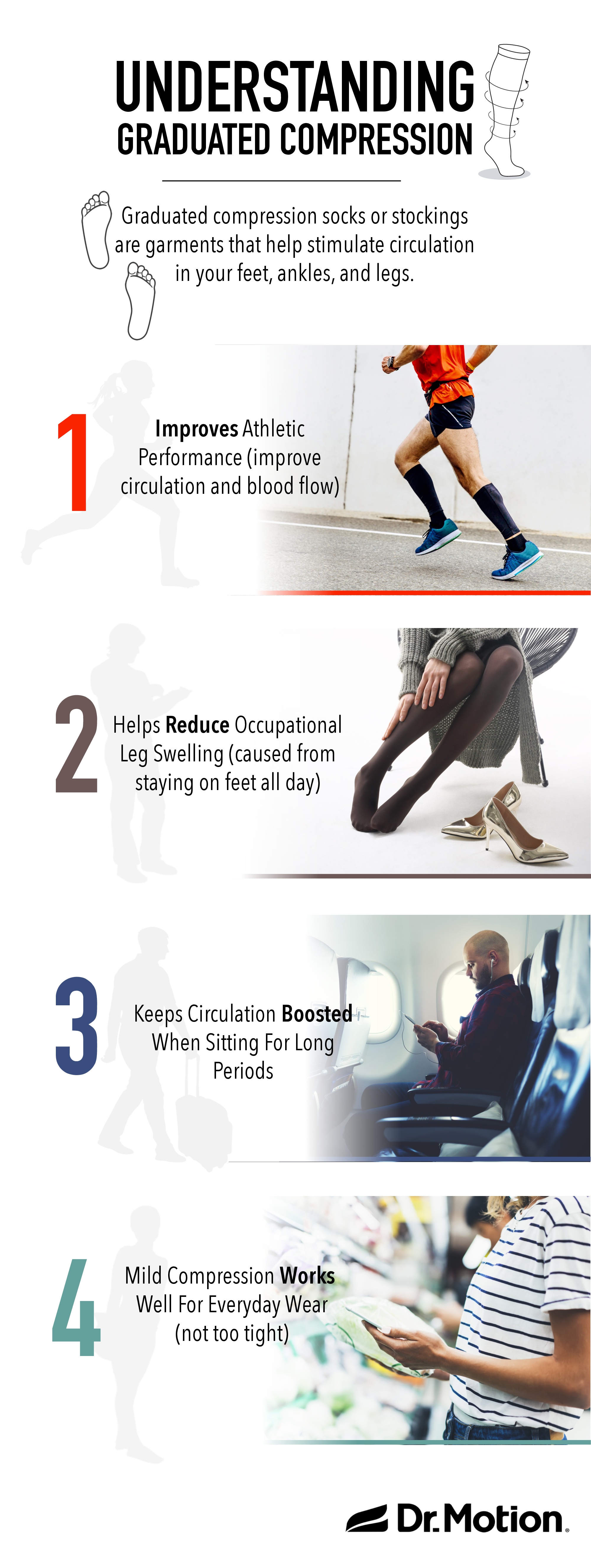
Most travelers wear compression socks wrong—rendering them useless. Proper graduated compression applies strongest pressure at the ankle (18-22 mmHg), decreasing upward to aid blood flow. Flight-tested brands like CEP or Sigvaris use medical-grade fabrics that won’t sag mid-journey. Avoid cheap “support” socks—they provide even pressure that actually traps fluid.
Putting On Compression Socks Without Straining
Roll socks inside-out to the heel pocket first. Insert hand inside to hold shape. Slide foot in, then pull fabric up in sections—never yanking from the top. If struggling, put on thin cotton gloves for grip. The sock should feel snug but not painful; visible toe indentations mean it’s too tight. Wear them before swelling starts—ideally 3 hours pre-flight.
When to Replace Worn-Out Compression Gear
Compression degrades after 30-50 wears as elastic fibers fatigue. Test yours: Stretch the fabric—recovery should be instantaneous. If it sags when pulled, replace it. Expired socks provide only 40% of rated pressure, making them nearly ineffective. Keep a spare pair in your carry-on for unexpected delays.
Hydration Tactics That Actually Prevent Swelling (Not Just Water)
Drinking water alone won’t solve travel swelling—it’s about electrolyte balance. Dehydration concentrates sodium, pulling fluid into tissues. But overhydration without electrolytes worsens cellular swelling. The solution? Strategic fluid replacement with precise timing.
The 8-Ounce Hourly Hydration Rule
Sip 8 ounces of fluid hourly starting 2 hours pre-flight. Choose options with sodium and potassium:
– Coconut water (low-sugar variety)
– Oral rehydration solutions (like DripDrop)
– Water with pinch of salt and lemon
Avoid alcohol and sugary sodas—they dehydrate and inflame vessels. Airport tip: Refill bottles after security with electrolyte-enhanced water. Stop drinking 90 minutes pre-landing to avoid bathroom delays during critical elevation window.
Post-Travel Recovery Routine: Airport to Home Relief
Your journey isn’t over at baggage claim—what you do next determines swelling duration. Implement this sequence before leaving the airport:
The 10-Minute Airport Mobility Protocol
- Elevate during layovers: Use luggage racks in restrooms
- Calf stretches: Press palms against wall while heel stays grounded (30 sec/side)
- Lymphatic breathing: Deep inhale through nose, forceful exhale through pursed lips (5x)
This trio reduces fluid retention by 25% before you even exit the terminal. For long connections, walk airport concourses instead of sitting.
Cold Shower Therapy at Your Destination
Upon reaching your hotel, take a 3-minute cold shower (60-70°F). Start at feet, moving upward. Cold triggers vasoconstriction, pushing fluid toward the core for drainage. Follow with 2 minutes of warm water to prevent shock. Repeat twice. This simple ritual cuts recovery time in half compared to passive rest.
When Swelling Signals Danger: Critical Red Flags
While most travel swelling resolves in 24 hours, these symptoms require immediate medical evaluation:
– One-sided swelling: Especially with calf pain—could indicate DVT
– Red streaks or warmth: Signs of infection or thrombophlebitis
– Breathing difficulties: Suggests pulmonary embolism
– No improvement after 48 hours of consistent elevation and movement
If you have heart, kidney, or liver conditions, consult your doctor before travel. Persistent swelling may indicate underlying issues needing professional diagnosis.
Long-Term Prevention: Build Swelling-Resistant Legs
Frequent travelers should adopt these habits 72 hours pre-travel:
– Daily calf raises: 3 sets of 20 while brushing teeth
– Sodium reduction: Avoid processed foods 3 days pre-flight
– Pre-hydration: Drink 1.5x normal water intake starting 48 hours out
– Circulation-boosting foods: Pineapple (bromelain), ginger, and cayenne
Invest in an inflatable footrest for car trips—it maintains 90-degree knee angles to prevent popliteal vein compression. For flights, aisle seats enable hourly 2-minute walks to activate calf muscles.
Final Note: Implement the elevation-compression-hydration triad within 20 minutes of landing to reduce leg swelling after travel by up to 70%. Remember: Swelling isn’t inevitable—it’s a signal your body needs movement. By making these strategies routine, you’ll step off your next flight with spring in your step instead of sausage toes. Keep a compression sock emergency kit in your carry-on, and never skip the 3-minute circulation reset. Your future self will thank you when you’re exploring instead of elevating.