Sitting alone in a Barcelona café, you stare at your untouched drink while scrolling through photos of friends traveling in pairs. Three days into your first solo trip, you’ve spent more time worrying about safety and loneliness than exploring Gaudí’s masterpieces. You’re not alone—millions of first-time solo travelers face this exact dilemma after quitting jobs, saving for years, and booking flights only to discover that traveling alone requires entirely different skills than group vacations.
Whether you’re planning a weekend getaway or a year-long backpacking journey, mastering solo travel transforms anxiety into liberation. This guide delivers actionable strategies from veteran solo travelers, covering everything from pre-trip preparation to navigating foreign cities at midnight. You’ll learn exactly how to travel alone with confidence, safety, and the freedom to create your own adventure.
Choose Safe Solo Destinations That Match Your Comfort Level
Research Beyond Instagram-Worthy Locations
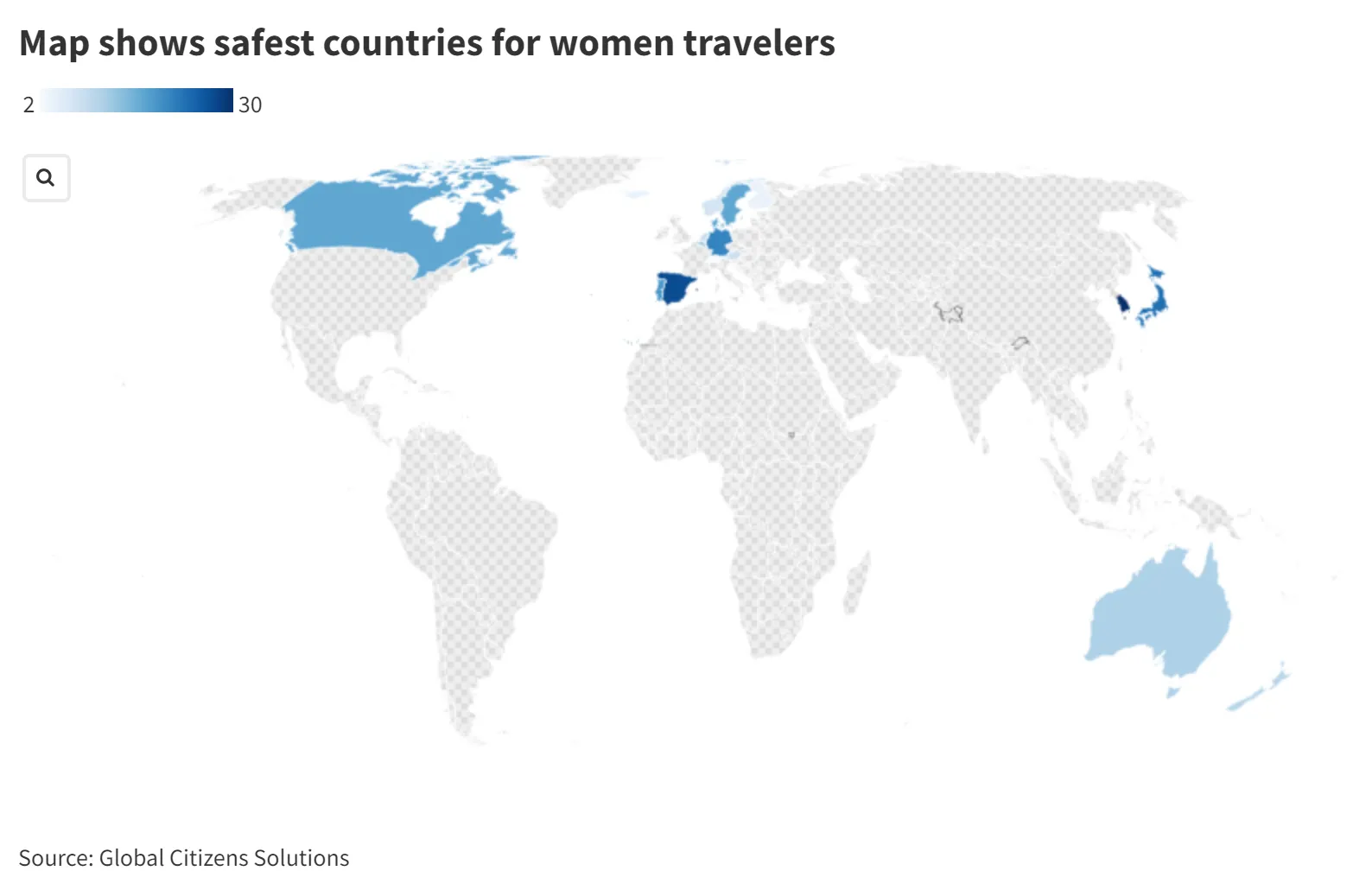
Start with destinations known for welcoming solo travelers. Iceland, Japan, and Portugal consistently rank safest with robust infrastructure and English-speaking services. Don’t rely on social media highlights—create a destination profile using verified metrics:
Essential safety indicators to verify:
– Official tourism board crime statistics for solo travelers
– Female-specific safety ratings if applicable
– Public transportation reliability scores (especially late-night options)
– English service availability in tourist areas
– Healthcare quality rankings for medical emergencies
Decode Cultural Norms Before You Book
Understanding local customs prevents uncomfortable situations. In conservative Middle Eastern countries, women dining alone often attracts unwanted attention—solution: book lunch specials at hotel restaurants instead. Japan celebrates solo dining with “tachi-gui” standing sushi bars designed specifically for single patrons. Before departure, research these critical cultural factors:
Non-negotiable cultural checklist:
– Tipping customs and appropriate amounts
– Dress codes for religious sites and conservative neighborhoods
– Photography restrictions at monuments and sacred spaces
– Social interaction norms with locals (how to greet, make eye contact)
Build a Realistic Solo Travel Budget That Prevents Financial Stress

Calculate True Solo Costs (Not Couple Prices)
Solo travelers face 150-200% accommodation surcharges compared to couples. Budget hotels charging $80/night for double occupancy often cost $120 for single travelers. Structure your budget using these realistic solo categories:
- Accommodation: 35-40% (account for single supplements)
- Food: 25-30% (factor in inability to split dishes)
- Transportation: 15-20% (higher per-person costs)
- Activities: 10-15%
- Emergency buffer: 15% minimum
Master Daily Expense Tracking Before Departure
Download Trail Wallet before leaving home—veteran solo travelers swear by its simplicity. Set daily spending limits by converting foreign currencies immediately upon arrival. Pro tip: photograph every receipt; these digital copies become invaluable for insurance claims and tax deductions.
Money organization system for solo travelers:
– Daily wallet: One day’s expenses in local currency
– Hidden belt: Backup cards and emergency cash
– Digital backup: Cloud photos of all important documents
– Split storage: Never keep everything in one location
Secure Accommodations That Balance Safety and Social Opportunities
Book First Nights Strategically (Not Entire Trips)
Reserve only your first 2-3 nights at each destination. This prevents exhaustion from searching while jet-lagged and allows flexibility to extend or relocate based on neighborhood discoveries. Use these filters religiously when booking:
Non-negotiable booking criteria:
– Solo traveler reviews mentioning safety
– 24-hour reception (for late arrivals)
– Lockers or in-room safes
– Walking distance to public transport
– Female-only floors (for women travelers)
Decode Hostel Reviews Like a Pro
Ignore generic “great hostel” reviews. Search specifically for phrases like “solo traveler,” “female solo,” “felt safe walking alone,” and “easy to meet people.” Red flags include mentions of theft, poor lighting, or isolated locations. For optimal social connection:
Accommodation progression strategy:
– Week 1: Social hostels to meet travel buddies
– Week 2: Boutique hostels for comfort
– Week 3+: Airbnb for local immersion
Master Solo Navigation Systems Before Jet Lag Hits
Download Offline Maps Immediately Upon Arrival
Before leaving airport WiFi, download offline areas for your destination in Google Maps. Mark your accommodation with a star—this becomes your navigation anchor. Create custom maps marking:
– Embassy locations
– 24-hour pharmacies
– Police stations
– Recommended restaurants from trusted travel blogs
Decode Public Transport Like a Local
Every metro system has hacks. In Tokyo, buy day passes at airport kiosks to avoid ticket machine confusion. In European cities, weekly passes often cost less than three daily tickets. Research these specifics before arrival:
Transportation research checklist:
– Airport to city center options and costs
– Daily vs. weekly pass pricing
– Rush hour times to avoid
– Last train/bus schedules
– Taxi scam warnings specific to city
Combat Solo Travel Loneliness With Intentional Social Strategies
Join Daily Group Activities (No Commitment Required)
Book one structured activity daily—walking tours, cooking classes, or pub crawls. These provide built-in social interaction without long-term commitment. Hostel notice boards reveal same-day opportunities: free yoga, language exchanges, or group museum visits.
Social connection strategy timeline:
– Morning: Walking tours (meet 10-20 people instantly)
– Afternoon: Cooking classes (work in pairs naturally)
– Evening: Pub crawls (structured social interaction)
Transform Solo Dining From Awkward to Authentic
Choose counter seating at sushi bars, tapas counters, or diner-style restaurants. Bring a journal—not for hiding—but for capturing observations. Staff often engage more when they see you’re genuinely present. Select restaurants using these criteria:
Restaurant selection checklist:
– Bar seating or communal tables available
– Lunch specials (same food, lower prices)
– Local patrons (authentic experience indicator)
– English menus or picture menus
– Cash-only policy (usually means great local spot)
Establish Safety Check-in Systems That Actually Work

Create a Daily Communication Protocol (Without Helicopter Parenting)
Set specific check-in times with home contacts. Use WhatsApp location sharing—not for constant monitoring, but for genuine emergencies. Establish code words: “Everything’s amazing” means all good, “Weather’s been challenging” signals need for assistance.
Emergency contact system:
– Daily: WhatsApp good morning message
– Evening: Brief summary with next day’s plans
– Weekly: Video call with detailed updates
– Emergency: Pre-arranged contact escalation plan
Develop Situational Awareness in 3 Simple Steps
Practice the “exit scan” whenever entering new spaces: identify two exit routes, locate unusual behavior, position yourself facing entrances. This becomes automatic within days. Critical rule: Trust instincts explicitly—if something feels wrong, leave immediately without guilt.
Pack Light With Solo-Specific Essentials Only
Embrace Carry-On Only Philosophy
Every solo traveler eventually becomes a carry-on convert after dragging suitcases up three flights of hostel stairs. Limit yourself to 40-45L backpack or 21″ carry-on. This forces better decisions and eliminates lost luggage anxiety.
Essential solo travel gear:
– Clothing: 5 days maximum, quick-dry fabrics
– Electronics: Phone, universal adapter, 10,000mAh power bank
– Comfort: Eye mask, earplugs, microfiber towel
– Safety: Personal alarm, doorstop alarm, combination locks
– Health: Prescription copies, basic first aid, water purification tablets
Navigate Solo Female Travel With Confidence
Research Cultural Attitudes Specifically (Don’t Assume)
Women face additional considerations in many destinations. Research local harassment reporting procedures, women-only transportation options, and cultural dress expectations. Connect with local women’s Facebook groups for current insights before departure.
Female-specific safety protocols:
– Share live locations with trusted contacts
– Research women-only train cars or bus sections
– Learn local phrases for “help” and “police”
– Identify female-friendly accommodations
– Understand local harassment laws and reporting
Handle Solo Travel Challenges Before They Happen
Overcome Decision Fatigue With Smart Shortcuts
Solo travel means every decision falls on you—restaurant choices, daily activities, route planning. Combat mental exhaustion using these proven strategies:
Decision-making shortcuts:
– Pre-research top 3 restaurants in each neighborhood
– Use “good enough” standard (not perfect choice)
– Plan 2 activities daily, leave space for spontaneity
– Ask hostel staff for daily recommendations
– Follow interesting travelers you meet
Solo travel mastery emerges through preparation, not perfection. Start with shorter trips to build confidence—perhaps a long weekend in a nearby city where you already speak the language. Each solo journey teaches new skills, from navigating foreign pharmacy systems to finding the perfect sunset spot without compromise.
The greatest revelation? Solo travel isn’t about being alone—it’s about discovering who you become when every choice reflects your authentic desires. That café in Barcelona? You’ll return three days later, confidently ordering in Spanish while chatting with locals about hidden neighborhood gems. Your solo adventure awaits, armed with these proven strategies and the courage to write your own travel story.