
Planning your first Tokyo adventure feels overwhelming—neon-lit streets, bullet trains, ancient temples, and a language barrier that seems insurmountable. Yet millions of travelers navigate this megacity successfully each year, discovering why Tokyo consistently ranks as the world’s most exciting destination. This guide distills essential Tokyo travel tips that transform confusion into confidence, helping you experience Japan’s capital like a seasoned traveler rather than a lost tourist.
You’ll learn how to master Tokyo’s complex transportation system, avoid cultural missteps, eat incredible food on any budget, and discover both iconic attractions and hidden neighborhoods that most visitors miss. Let’s turn your Tokyo dreams into an unforgettable reality.
Navigate Tokyo’s Transport System Like a Pro
Master JR Pass and Metro Lines
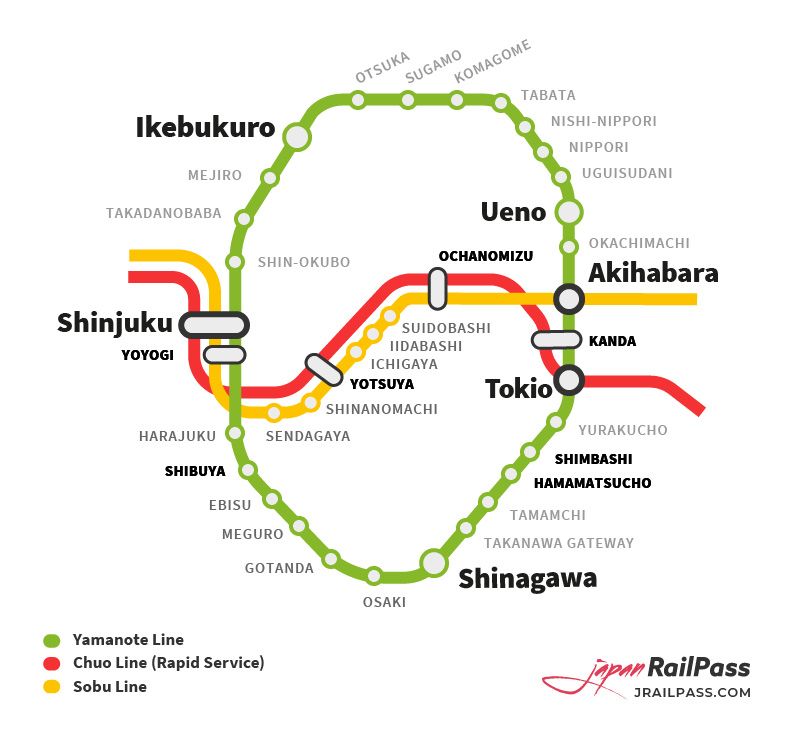
Tokyo’s transportation network intimidates newcomers with its spiderweb of colored lines and Japanese characters. The key lies in understanding that JR (Japan Rail) lines form the backbone, while private metro companies fill the gaps. Your JR Pass works on all JR lines—including the famous Yamanote Loop that circles central Tokyo—but won’t cover subway or private railway lines.
Essential apps for navigation include Google Maps for real-time delays and platform numbers, Hyperdia for detailed route planning with fares, and IC cards (Suica/Pasmo) for tap-and-go payment across all transport types. Download offline maps before arriving since Tokyo’s underground stations often have spotty cell service, making navigation challenging when you need it most.
Avoid Rush Hour Chaos
Tokyo’s rush hour transforms trains into human sardine cans from 7:30-9:30 AM and 5:30-7:30 PM. Plan sightseeing around these windows to avoid the most crowded conditions, or embrace the experience on the Yamanote Line—it’s cultural immersion at its most intense. Women-only cars operate during rush hours on most lines, providing a more comfortable alternative.
Position yourself at the exact door marker on platforms, let passengers exit before boarding, keep backpacks in front or on baggage racks, and remember to stand left while walking right on escalators. These small adjustments make navigating Tokyo’s transit system significantly smoother and more respectful of local customs.
Decode Japanese Etiquette Rules Before You Go
Essential Bowing and Greetings
Japanese social interactions follow subtle protocols that signal respect. When entering shops or restaurants, staff will greet you with “Irasshaimase”—a simple nod or “hello” suffices as a response. Understanding these unspoken rules prevents awkward moments and shows respect for local culture.
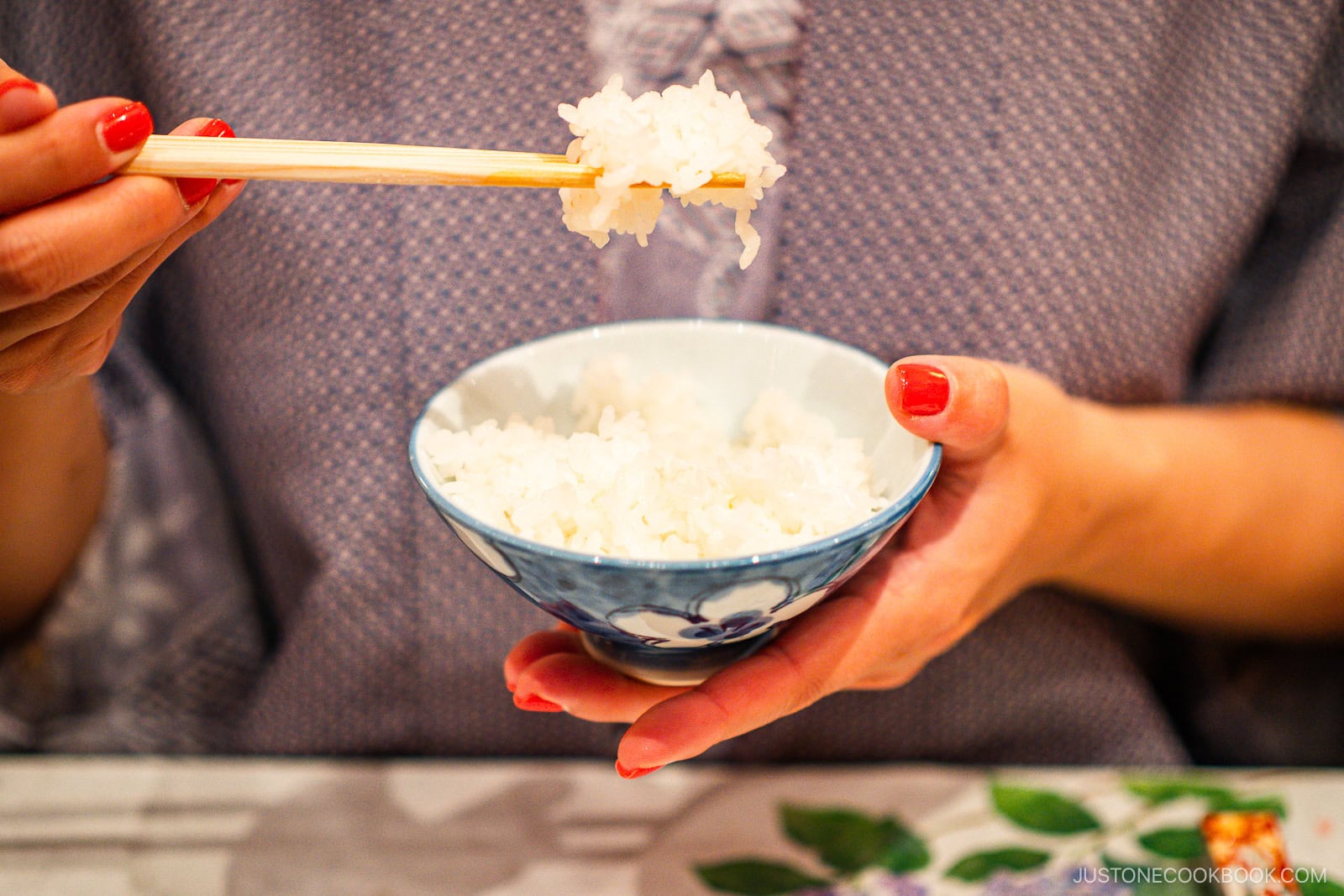
Critical etiquette mistakes to avoid include never sticking chopsticks upright in rice (associated with funerals), not blowing your nose in public (find a restroom instead), avoiding talking on phones in trains (text instead), and remembering to remove shoes when entering homes, traditional restaurants, and some shops. These seemingly small gestures make a significant difference in how locals perceive you.
Restaurant and Payment Customs
Tokyo dining culture operates on unspoken rules that confuse first-timers. Many restaurants use ticket machines at entrances—insert cash, press your food button, hand ticket to staff. Don’t tip—service charges are included in the price, and leaving extra money creates awkward situations since it’s not part of the culture.
When you need attention, call “Sumimasen” to get staff notice. At many casual spots, you’ll need to bring your bill to the register rather than waiting for payment at your table. Be prepared that splitting bills isn’t common practice—you’ll likely need one person to pay the entire amount and settle up later. While credit cards are becoming more accepted, cash remains preferred at many establishments.
Find the Best Neighborhoods to Stay in Tokyo
Shibuya vs Shinjuku Districts
Shibuya pulsates with youth culture, the famous crossing, and endless shopping—ideal for first-timers wanting Tokyo’s electric energy. Shinjuku offers grittier authenticity, salaryman bars, and the city’s best ramen. Both connect via JR Yamanote Line, making either an excellent base for exploring the city.
Ginza provides luxury shopping and refined dining experiences, while Harajuku showcases quirky fashion and youth trends. Asakusa preserves traditional temples and old Tokyo charm, Roppongi caters to international nightlife (though it can feel touristy), and Shimokitazawa serves as a hipster haven with vintage shops. Each neighborhood offers a distinct flavor of Tokyo life.
Budget-Friendly Accommodation Hacks
Tokyo accommodation spans ¥3,000 capsule hotels to ¥50,000 luxury suites. Business hotels (¥8,000-15,000) offer the best value—clean, efficient rooms near stations. Capsule hotels provide unique experiences for budget travelers, while love hotels offer surprisingly luxurious rooms at discounted daytime rates.
Book 2-3 months ahead for best rates and consider staying near major stations to minimize transport costs. The Toyoko Inn chain provides reliable business hotel options throughout the city. Consider Osaka day trips as an alternative base—just 30 minutes away by bullet train with potentially better accommodation value.
Eat Incredible Food on Any Budget
Michelin-Starred Meals Under $10
Tokyo boasts more Michelin stars than any city, but you don’t need deep pockets to experience world-class cuisine. Tsuta, the world’s first Michelin-starred ramen shop, serves bowls from ¥1,000. Nakiryu offers tantanmen that earned Michelin recognition for just ¥850.
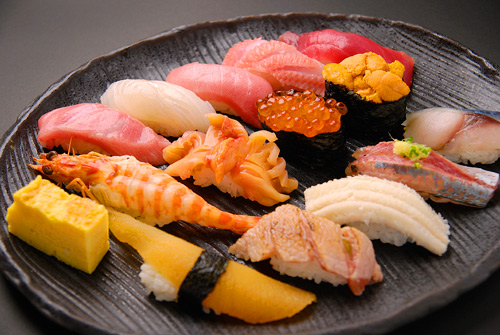
Tsukiji Outer Market provides fresh sushi breakfasts for around ¥2,000. Standing sushi bars deliver premium fish at conveyor belt prices. Department store basements offer discounted bento after 7 PM, and convenience stores surprisingly serve high-quality meals for as little as ¥500. These options prove Tokyo’s food scene caters to all budgets without compromising quality.
Navigate Dietary Restrictions Successfully
Vegetarian and vegan travelers face challenges in dashi-heavy Japanese cuisine. Shojin ryori (Buddhist temple food) offers authentic vegetarian experiences. T’s Restaurant and AIN SOPH chains serve excellent vegan options throughout Tokyo. The Happy Cow app helps locate vegetarian-friendly spots citywide.
Learn essential phrases for dietary needs: “Watashi wa bejitarian desu” (I’m vegetarian), “Niku to sakana tabemasen” (I don’t eat meat or fish), and “Dashi wa ii desu ka?” (Is dashi okay?). Consider carrying allergy cards written in Japanese to communicate specific restrictions clearly to restaurant staff.
Shop Like a Local in Tokyo
Tax-Free Shopping Secrets
Japan’s 10% consumption tax adds up quickly, but visitors spending ¥5,000+ at participating stores qualify for tax-free shopping. Always bring your passport—copies won’t work. Electronics, cosmetics, and fashion offer the biggest savings. Don Quijote discount chain combines souvenirs with tax-free shopping for everything from Kit Kats to electronics.
Shop at stores displaying “Tax Free” signs, present your passport at checkout (not at customs), keep all receipts as customs may check them at the airport, and remember that unpackaged items must leave Japan within 6 months. This system makes souvenir shopping significantly more affordable.
Discover Hidden Shopping Streets
Beyond glitzy department stores, Tokyo’s shopping soul lives in narrow covered arcades and neighborhood markets. Ameya-Yokocho (Ameyoko) in Ueno offers everything from vintage sneakers to discount candy. Kappabashi Street sells professional kitchenware and those iconic plastic food models. Shimokitazawa’s maze of vintage shops reveals Tokyo’s creative underground.
Harajuku Takeshita Street features teen fashion and crepes, Omotesando Hills houses luxury boutiques in an architectural masterpiece, Koenji specializes in vintage clothing and record stores, and Nakano Broadway serves as an otaku paradise for collectibles. Exploring these areas reveals Tokyo’s diverse shopping culture beyond the tourist hotspots.
Experience Tokyo’s Seasons Like a Local
Cherry Blossom Timing Guide
Sakura season transforms Tokyo into a pink-tinged wonderland, but timing your visit requires precision. Peak bloom typically occurs late March to early April, varying yearly by 1-2 weeks. Shinjuku Gyoen and Chidorigafuchi offer classic hanami experiences, while Meguro River provides stunning night illuminations.
Book accommodation early as prices surge during bloom and visit popular spots on weekdays to avoid overwhelming weekend crowds. Bring blue tarps for group hanami parties as they’re required in many parks, and don’t miss trying limited seasonal sakura-themed foods available only during this special time.
Beat Summer Heat and Humidity
Tokyo summers deliver oppressive heat and humidity that sap energy from sightseeing. Convenience stores become lifelines—stock up on cooling towels and sports drinks. Department store rooftops offer unexpected oases with beer gardens and city views. Early morning temple visits beat both crowds and heat.
Carry portable fans—battery-powered models work miracles in the sweltering heat. Pick up cooling sheets—stick-on body coolers from drugstores provide instant relief. A sun umbrella serves dual purpose for both rain and UV protection. Wear light layers to accommodate the dramatic temperature shifts between outdoors and arctic-level indoor air conditioning.
Tokyo rewards preparation but surprises with serendipitous discoveries. These tips transform your trip from overwhelming to extraordinary, but remember: the city’s greatest joy lies in getting wonderfully lost. Download these apps, memorize these phrases, then set aside your plans for at least one day. The Tokyo that emerges when you wander without agenda—the tiny ramen shop down an alley, the shrine guardian cat, the salaryman practicing English—creates the memories you’ll treasure forever.