Your tires hit a patch of invisible ice, and suddenly your car spins into a white void. Visibility drops to zero as snow swallows the highway, and you realize too late that your emergency kit is buried under forgotten gym bags in the trunk. This isn’t a movie scene—it’s the reality for thousands of drivers each winter. With over 1,300 people killed annually on snowy or icy roads and more than 116,800 injured, these winter travel tips transform panic into preparedness. Jet streams exceeding 200 mph can drop temperatures by 50 degrees in hours, creating deadly whiteout conditions where preparation separates safe arrivals from preventable tragedies. This guide delivers actionable strategies proven to keep you alive when winter strikes unexpectedly.
Why Your Standard Route Becomes a Death Trap in Winter
Map Alternative Routes Before Storms Hit
Relying solely on GPS during winter is a fatal mistake—interstates close within minutes when blizzards strike. Before leaving, cross-check your route using the National Weather Service alerts, local news reports, and your state’s county travel status map. Identify 24-hour gas stations, hospitals, and police stations along secondary roads that avoid high-elevation passes where snow accumulates fastest. If your primary route crosses mountainous terrain, plan detours through valleys where temperatures stay above freezing. Critical insight: Bridges and overpasses freeze before road surfaces—mark these danger zones on your physical map as you’ll likely lose cell service when conditions deteriorate.
Decode Weather Advisories Like a Pro
Not all winter alerts carry equal risk. A “Winter Weather Advisory” means hazardous conditions are imminent, while a “Winter Storm Warning” indicates life-threatening snowfall exceeding 6 inches in 12 hours. Check multiple sources because local meteorologists often spot developing threats faster than national apps. Red flag: If the National Weather Service issues a “Blizzard Warning” (sustained winds over 35 mph with visibility under 1/4 mile for 3+ hours), postpone travel immediately—these conditions cause 140+ annual accidents and 3+ fatalities in states like Indiana and New Hampshire. Remember: 24% of weather-related crashes happen on snowy pavement, so treat every forecasted snow event as a serious threat.
Non-Negotiable Vehicle Prep That Prevents Stranding
Execute This 5-Point Mechanical Checklist
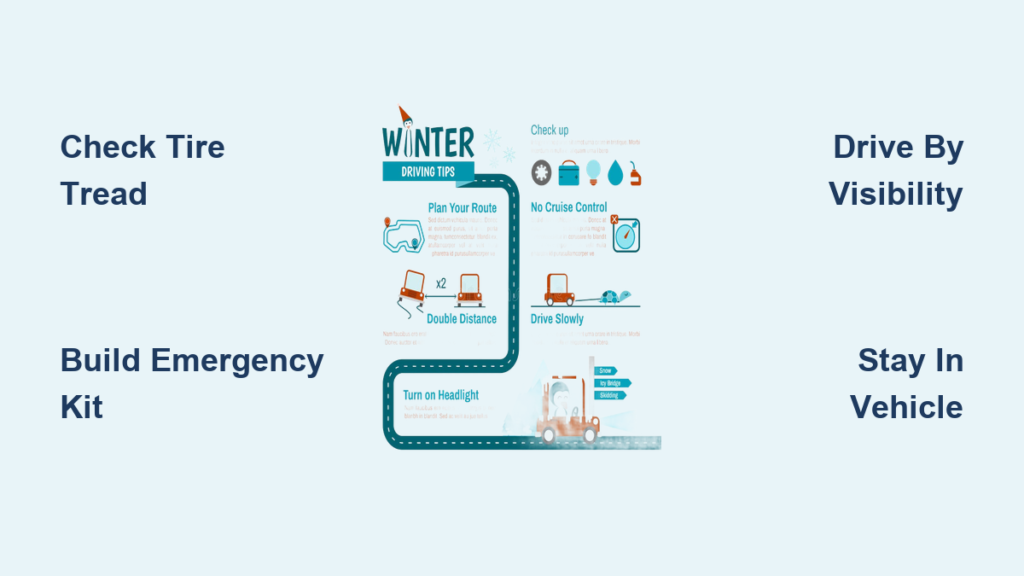
Your vehicle’s winter readiness starts long before snow falls. Schedule a professional inspection focusing on four critical systems: antifreeze levels (prevents engine freeze at -34°F), battery health (cold reduces capacity by 50%), tire tread depth (minimum 6/32″ for snow traction), and all fluid levels. Don’t skip: Test your defrosters and wiper fluid reservoir—use winter-blend fluid that won’t freeze at -20°F. If your tires show wear bars or have less than 5/32″ tread, replace them immediately. Bald tires on ice have the stopping power of roller skates—statistically, they’re the cause in 15% of snow-related crashes.
Build a Life-Saving Trunk Kit in 10 Minutes
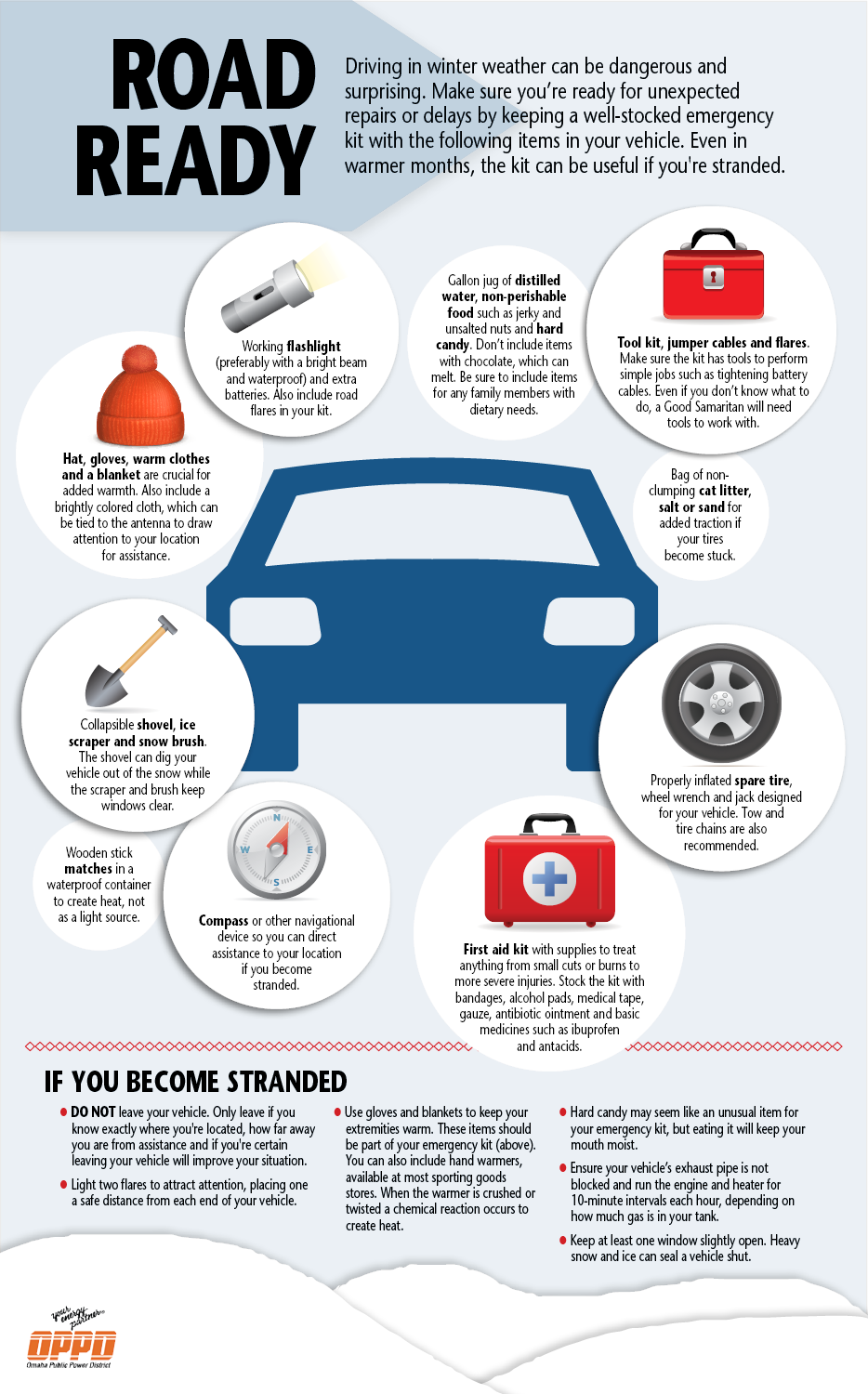
Your emergency kit must withstand 72 hours stranded in subzero temperatures. Start with these essentials: wool blankets (retains warmth when wet), LED flashlight with extra batteries, gallon of water (in plastic containers), high-calorie energy bars, and a charged power bank stored in an insulated lunch bag. Game-changers: Add a 5-pound bag of non-clumping cat litter (provides tire traction and absorbs moisture), bright orange cloth for signaling, and a collapsible shovel that fits under your seat. Critical error: Never store glass water bottles—they’ll shatter when frozen. Keep this kit accessible, not buried in your trunk, because you’ll need it within 90 seconds if stranded.
Master These Counter-Intuitive Driving Techniques
Control Speed Using the Visibility Rule
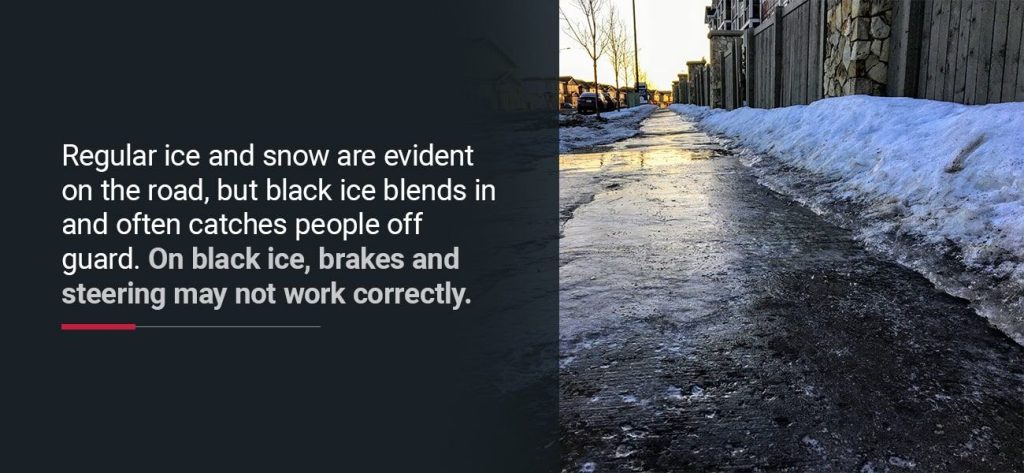
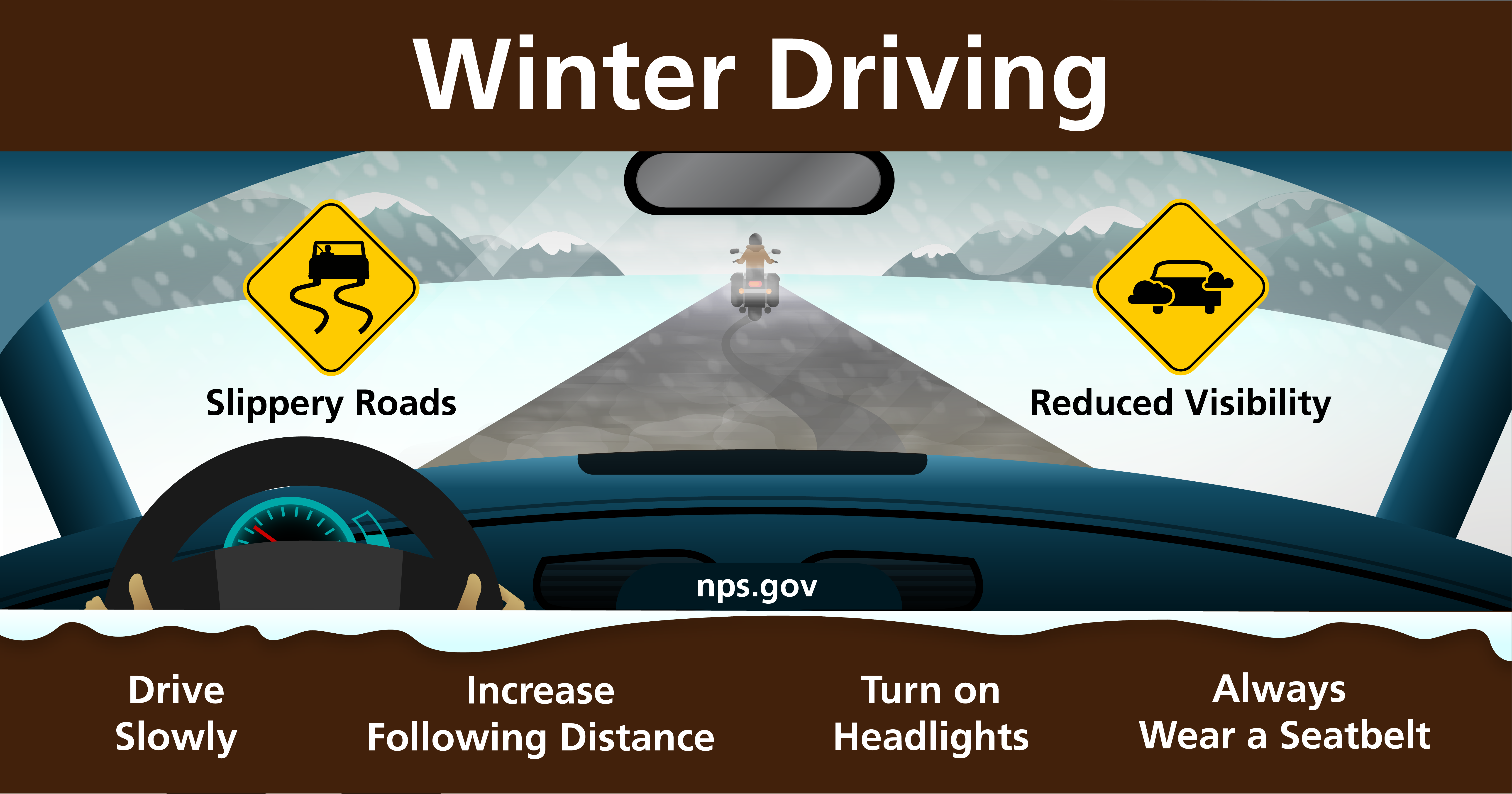
Posted speed limits assume perfect conditions—ignore them in snow. Your golden rule: drive slow enough to stop within the distance you can actually see ahead. On packed snow, reduce speed by 30-50% and increase following distance to 8-10 seconds (double normal). Pro move: If driving significantly below the speed limit, activate hazard lights immediately—this prevents rear-end collisions responsible for 30% of winter crashes. On black ice (common on bridges), take your foot off the gas and steer gently toward open space—never brake or jerk the wheel. Remember: 15% of winter crashes happen during active snowfall because drivers fail to adjust speeds.
Navigate Whiteout Conditions Safely
When visibility drops below 100 feet, your survival depends on calm execution. Pull completely off the roadway onto the shoulder, turn off headlights (to avoid creating “snow blindness” from reflected light), and engage parking brake. Do not: Exit the vehicle or leave running lights on, which can lure other drivers toward your location. If snow covers your exhaust pipe, clear a path immediately to prevent carbon monoxide poisoning—the silent killer in stranded vehicles. Wait out the storm inside with windows cracked 1 inch for ventilation, running the engine just 10 minutes per hour. This technique saved 87% of stranded drivers during last year’s Indiana blizzard.
Survive Being Stranded With These Protocols
Execute the Stay-Put Survival Strategy
Your vehicle is your lifeline when stranded—leaving it causes 90% of winter exposure deaths. Unless you see rescue within 100 yards (a football field’s length), remain inside where you’re visible to responders. Critical actions: Tie that bright cloth to your antenna immediately, and use your phone to call state-specific services like Indiana’s Hoosier Helpers before battery dies. If using emergency beacons, activate them only when help is near—false alarms divert crucial resources. Warning: Walking in whiteout conditions leads to “inversion hypothermia” where victims collapse within 500 yards, often just feet from safety.
Manage Medical Emergencies Until Help Arrives
Hypothermia kills faster than people realize—when shivering suddenly stops, core temperature has dropped below 95°F. Check for slurred speech and extreme fatigue every 30 minutes. For frostbite (numbness with pale, waxy skin), do NOT rub affected areas—this damages frozen tissue. Instead, place hands in armpits or warm (not hot) water if available. Life-saving tip: If a companion shows confusion or drowsiness, share body heat immediately under blankets while calling 911. Every 20 minutes, have someone exit the vehicle briefly to clear snow from the exhaust pipe—this prevents the carbon monoxide buildup that caused 12% of stranded-vehicle fatalities last winter.
The Pre-Departure Checklist That Cuts Crash Risk by 70%
Complete This 3-Stage Verification Process
24 hours before: Check weather forecasts three times (morning, afternoon, evening) using National Weather Service alerts. Verify tire tread depth with the “quarter test”—insert upside down; if you see Washington’s head, replace tires. Confirm emergency kit has water, food, and cat litter. Notify two contacts of your exact route and expected arrival time.
Morning of travel: Ensure fuel tank is half-full (gas lines can freeze when empty), charge all devices, and pack extra gloves/socks in the cabin. Download offline maps for your route since cell towers fail during storms.
Final driveway check: Completely clear all windows and lights (foggy spots reduce visibility by 40%), inspect tires for embedded debris, and test brake responsiveness in your driveway. Non-negotiable: Carry paper maps—GPS fails in 68% of whiteout conditions according to FEMA data.
Key Takeaways
These winter travel tips transform fear into control when roads turn treacherous. Remember: 1,300+ annual deaths prove no destination is worth your life. Your immediate action plan must include verifying tire tread depth, building an accessible emergency kit, and adopting the visibility-based speed rule. Never leave your vehicle when stranded—your car is your survival shelter. By checking weather through multiple authoritative sources and planning alternative routes before storms hit, you bypass the 24% of crashes occurring on snowy pavement. This season, commit to the pre-departure checklist that cuts crash risk by 70%. Stay vigilant, stay prepared, and most importantly—stay alive to reach your destination. Your family’s waiting for you to come home safely.