

Struggling with sweltering temperatures while navigating crowded airports or sleeping in stuffy hotel rooms? A reliable portable fan can transform your travel experience from uncomfortable to refreshingly cool. The right travel fan delivers powerful airflow without adding bulk to your luggage, keeps you comfortable during long journeys, and fits seamlessly into your travel routine. With dozens of options flooding the market—from compact handheld models to hands-free neck fans—choosing the best portable fan for travel requires understanding what actually matters for real-world use. This guide cuts through marketing claims to reveal exactly which features deliver genuine value when you’re on the move.
Most travelers face the same dilemma: they need enough cooling power to combat heat but can’t afford to sacrifice precious luggage space. Get this balance wrong, and you’ll either carry a useless trinket or a bulky burden that defeats the purpose of traveling light. The ideal travel fan delivers meaningful airflow while staying compact enough to disappear in your bag. We’ll break down the critical features that determine whether a fan enhances your journey or becomes dead weight, helping you select a model that performs when you need it most.
Handheld vs. Neck vs. Clip-On Fans: Which Travel Design Fits Your Needs?

Each fan category serves distinct travel scenarios with unique advantages and limitations that directly impact your comfort on the road.
Handheld fans deliver the ultimate portability, typically weighing just 100-250 grams (3.5-9 ounces) and fitting in any pocket or small bag compartment. These compact cylinders excel during outdoor activities, museum visits, or waiting in line where you need cooling on demand. Their primary limitation becomes apparent during extended use—they require one hand to operate, making them impractical for activities requiring both hands. The smallest models also sacrifice significant airflow intensity due to their miniaturized components.
Neck fans have revolutionized personal cooling for travelers who need hands-free operation. Worn around the neck with fans positioned near the ears, these models provide continuous cooling while walking tours, dining outdoors, or attending conferences. Their popularity stems from freeing up both hands while maintaining consistent airflow. Consider the trade-offs: neck fans typically weigh 150-400 grams (5-14 ounces), adding noticeable weight around your neck during extended wear. Some travelers also find the appearance awkward in formal settings or business meetings.
Clip-on fans offer versatile positioning by attaching to strollers, seat belts, laptop edges, or hotel headboards. This stationary approach delivers concentrated cooling in one spot but lacks mobility. Many travelers specifically use clip-on models as bedside companions for overnight temperature regulation in non-air-conditioned accommodations. If your travel involves extended stationary periods—like working remotely from a café or staying in one location for multiple nights—clip-on fans maximize cooling efficiency without occupying your hands.
Why Tower and Desktop Fans Fail as True Travel Companions
Despite manufacturer claims, tower and desktop fans simply don’t qualify as genuine travel options. Their superior airflow comes at the cost of significant bulk and weight that quickly becomes luggage dead weight. These models typically weigh 500+ grams (18+ ounces) and require dedicated packing space that could accommodate multiple true portable options. Reserve tower fans for extended stays in one location where portability matters less than cooling power.
Battery Life vs. Airflow Power: The Critical Travel Fan Trade-Off
Your fan’s battery performance directly determines its usefulness during actual travel—not manufacturer claims.
Real-world battery expectations consistently fall 20-40% below manufacturer estimates, especially at maximum speed settings. For multi-day trips without reliable charging access, prioritize fans delivering 8+ hours on low settings. USB-C charging capability has become essential for flexible power options, allowing you to recharge from power banks, laptops, or universal adapters without carrying specialized cables.
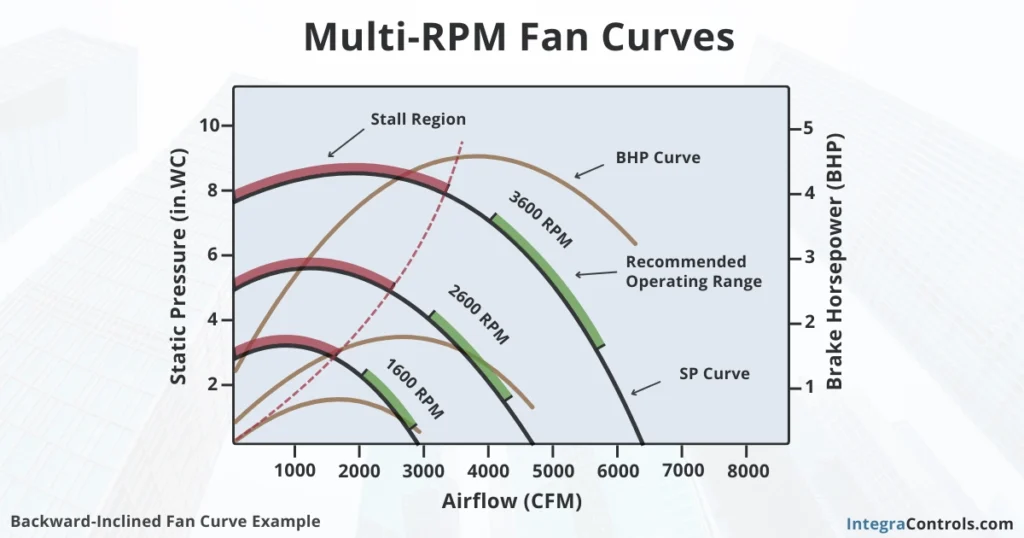
Airflow power matters more than you think, yet manufacturers often omit meaningful metrics. While household fans produce 1,000+ CFM (Cubic Feet per Minute), personal travel fans typically deliver 50-150 CFM, with premium models approaching 200+ CFM. This limitation means travel fans enhance personal comfort rather than cool entire rooms—manage expectations accordingly. Without reliable CFM data, seek verified user reviews describing actual cooling performance in realistic conditions.
Noise Level: The Dealbreaker for Shared Spaces
Quiet operation proves crucial in libraries, meetings, hotel rooms, or overnight use. Truly quiet fans operate below 30dB (whisper-quiet), while acceptable models stay under 50dB. At maximum settings, many portable fans reach 55-65dB—comparable to moderate rainfall or a conversation. If you travel frequently in shared spaces, prioritize models with multiple speed settings including a genuinely quiet low-speed option. Test noise levels before purchasing when possible, as subjective descriptions like “quiet” vary dramatically between users.
Weight and Size Limits: Finding a Fan That Won’t Bulk Your Luggage

Every gram counts when optimizing luggage space for actual travel—not theoretical portability.
Handheld fans typically weigh 100-250 grams (3.5-9 ounces), making them virtually weightless additions to your carry-on. Neck fans range from 150-400 grams (5-14 ounces), adding noticeable but manageable weight. Clip-on models fall between 200-500 grams (7-18 ounces), with heavier options providing stronger motors and larger batteries. Match your fan weight to your travel style—backpackers hiking remote trails should prioritize minimal weight, while cruise travelers can accommodate slightly heavier, more powerful models.
Folded dimensions matter more than advertised portability. Some “compact” fans approach water bottle size when extended, defeating their purpose. Measure potential fans against your bag’s internal compartments before purchasing. Look for models featuring foldable blades, retractable stands, or genuinely collapsible designs that disappear in your luggage without creating awkward bulges.
Best Overall, Budget, and Premium Travel Fans Compared
Finding Your Value Sweet Spot: Performance vs. Price
The $30-50 range consistently delivers the best value for travel fans, offering meaningful performance without budget model frustrations or premium pricing. Look for models providing 3+ speed settings, USB-C charging, 10+ hour battery life on low settings, and sub-50dB operation at maximum speed. Weight should stay under 300 grams for handheld designs or 400 grams for neck configurations. Bonus features worth considering include oscillation capability, power bank functionality, and LED lighting—though these often increase cost and complexity.
Budget Travel Fans: When Cheap Becomes Costly
Travel fans under $15 typically sacrifice meaningful functionality. Their motors strain under minimal resistance, batteries degrade within months, and airflow barely qualifies as a gentle breeze. These options work only for occasional use in mild climates but fail as reliable travel companions. The $15-30 sweet spot delivers acceptable performance for cost-conscious travelers, offering 2-3 speed settings and 4-8 hour battery life. Build quality remains the primary compromise—handle these fans carefully and consider them replaceable rather than long-term investments.
Business Traveler vs. Backpacker: Tailoring Your Fan Choice
Your travel style should directly determine which fan features matter most for your specific journeys.
Business travelers prioritize subtlety and quiet operation over maximum cooling power. Neck fans in neutral colors or handheld fans resembling tech gadgets blend better in professional settings. USB-C charging ensures compatibility with laptop accessories, while compact designs fit carry-on limitations without occupying precious bag space. Avoid models with excessive blinking lights or noticeable vibration that might distract during meetings.
Backpackers and budget travelers must balance performance against durability and weight constraints. Clip-on fans with versatile mounting options adapt to various accommodation styles, while models with replaceable batteries extend functional lifespan when charging opportunities remain scarce. Prioritize universal charging compatibility over proprietary solutions that require carrying additional adapters.
Monthly Cleaning and Battery Care: Making Your Travel Fan Last
Proper maintenance significantly extends your fan’s functional lifespan and maintains optimal performance throughout your travels.
Regular cleaning prevents performance degradation caused by dust accumulation on blades and grills. Monthly cleaning using compressed air, soft brushes, or damp cloths maintains optimal airflow. Disconnect power sources before cleaning and ensure complete drying before storage. Neglecting cleaning forces motors to work harder, accelerating wear and reducing battery efficiency.
Battery care impacts long-term reliability more than most travelers realize. Lithium-ion batteries degrade faster when stored at full charge or complete discharge. Store fans at 50-70% charge in cool, dry locations. Avoid leaving fans in vehicles or direct sunlight where heat accelerates battery deterioration. If storing for extended periods, recharge to maintenance levels every 2-3 months.
Test Before You Travel: How to Choose the Right Fan for Your Journey
Selecting the best portable fan for travel ultimately depends on your specific priorities and travel patterns.
Consider which factors matter most for your typical journey: pack space limitations favor handheld designs, while extended stays benefit from clip-on versatility. Frequent international travelers should prioritize USB-C charging and dual-voltage compatibility, while domestic road trippers might prioritize maximum airflow over compact design. Test fans before purchasing when possible, paying attention to grip comfort, noise levels across all speeds, and intuitive control placement.
Remember that the “best” fan is the one you’ll actually use consistently. An impressive fan left at home provides zero benefit. Select a model that integrates naturally into your travel routine, fits your carrying strategy, and delivers comfort when you need it most. Your future refreshed, comfortable self will thank you for the consideration.