

You’ve packed the stroller, loaded the snacks, and triple-checked the diaper bag—yet your family vacation still feels like a military operation rather than a relaxing getaway. Every year, millions of parents face this reality: family travel doesn’t have to be chaotic, but without the right strategies, even a simple trip can unravel quickly. These practical family travel tips transform overwhelming journeys into joyful experiences where everyone—parents and kids alike—actually enjoys the adventure.
Imagine cruising through airports with kids happily engaged, finding accommodations that work for everyone’s needs, and creating itineraries that balance fun with sanity. Whether you’re planning a weekend road trip or an international adventure, these proven family travel tips deliver real-world solutions that turn potential disasters into cherished memories. Let’s explore how to make your next family trip not just survivable, but truly magical.
Finding Kid-Perfect Destinations for Every Age Group
Choosing the right destination makes or breaks your family travel experience. Skip generic resorts that claim to be “family-friendly” but actually cater only to adults. Instead, match locations to your children’s specific ages and interests—toddlers thrive at beach resorts with shallow waters and sand play areas, while school-age kids engage with national parks’ junior ranger programs.
Look for destinations offering multiple attraction types within short distances to minimize transit time. European cities like Copenhagen and Amsterdam excel with stroller-friendly streets, abundant parks, and interactive museums. Beach destinations such as Turks and Caicos provide calm waters and family-focused resorts where kids’ clubs operate while parents sneak in a quiet dinner.
Timing Trips Around School Calendars and Seasons
Travel during shoulder seasons—April-May and September-October—for ideal weather without peak prices. Research school holiday calendars worldwide to avoid crowds at major attractions. Consider time zones carefully; traveling east with young children often proves easier than westbound journeys that extend bedtime.
Winter travel to warm destinations provides excellent value but verify pool heating and children’s program availability. Summer European travel offers long daylight hours perfect for sightseeing, though Mediterranean beaches become crowded. Pro tip: Book accommodations with flexible cancellation policies in case weather or illness disrupts plans.
Budget Hacks That Slash Family Vacation Costs
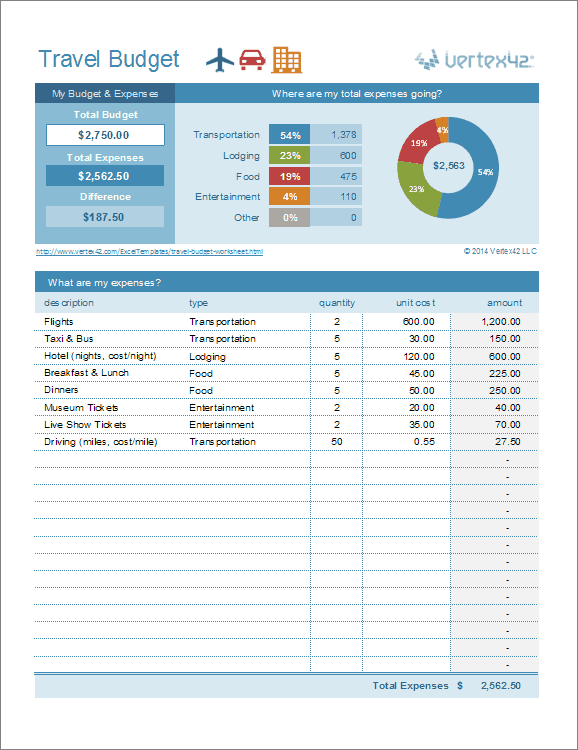
Family travel costs multiply quickly beyond simple hotel and flight expenses. Budget an additional 30-40% per child for food, attraction tickets, and emergency purchases. Create spreadsheet categories covering transportation, accommodation, meals, activities, and buffer funds—this prevents those dreaded checkout surprises.
Track daily expenses using apps like Trail Wallet, categorizing by family member when possible. Set daily spending limits for souvenirs and treats to avoid checkout surprises. Research city tourism cards that bundle attractions—many offer family discounts that provide significant savings, especially in European destinations where they often include public transportation.
Smart Booking Tactics That Save 30% or More
Book accommodations with kitchenettes to reduce restaurant dependency. Grocery shopping saves 50-60% on meal costs while accommodating picky eaters. Choose hotels offering free breakfast and evening receptions—Holiday Inn Express and Embassy Suites consistently deliver family value with two-room configurations that provide essential separation for bedtime routines.
Use credit card points strategically—Chase Sapphire and Capital One Venture cards offer 25% bonus value on travel redemptions. Book flights Tuesday-Thursday for better award availability. Consider positioning flights: fly to a major hub using points, then book separate budget airline tickets to your final destination. Warning: Always verify baggage fees—many “budget” airlines charge exorbitant fees that erase initial savings.
Air and Road Travel Strategies That Prevent Meltdowns
Select seats strategically—bulkhead rows provide extra legroom and no reclining passengers ahead. Book aisle seats in pairs across from each other rather than together—easier bathroom access and less climbing over strangers. Download airline apps for real-time gate changes and mobile boarding passes to avoid unnecessary stress at the airport.
Pack individual activity bags for each child, including new toys wrapped as presents for mid-flight entertainment. Bring empty water bottles through security and fill at water fountains. Download Netflix content and educational apps before departure—many flights lack reliable WiFi, leaving you stranded without entertainment options.
Road Trip Games That Make Hours Fly By
Plan driving segments around nap schedules—depart 30 minutes before typical sleep times. Create rest stop bingo games combining physical activity with observation skills—spot a red truck, find a specific license plate number, or identify cloud shapes. Pack collapsible wagons for beach or park visits—Radio Flyer models fit easily in trunks and save your back during long excursions.
Use GasBuddy for fuel station locations and pricing. Download offline maps before entering remote areas. Pack emergency kits including first aid supplies, blankets, and non-perishable snacks. Pro tip: Assign children specific roles—navigator, photographer, or snack distributor—to engage them in the journey rather than just enduring it.
Choosing Accommodations That Work for Everyone
Skip traditional hotel rooms—family suites provide essential separation for bedtime routines. Embassy Suites offer two-room configurations with microwaves and mini-fridges. Homewood Suites include full kitchens and grocery shopping services. Vacation rentals through VRBO often cost less per night for families needing multiple bedrooms while providing laundry facilities crucial for longer trips.
Verify pool hours and heating seasons—crucial for evening entertainment. Request ground-floor rooms near exits for stroller convenience. Confirm crib availability and book immediately after reservation—hotels limit quantities, and you don’t want to arrive with an infant and no sleeping solution.
Location Hacks Within Walking Distance of Essentials
Choose accommodations within walking distance of grocery stores and casual restaurants. Downtown locations reduce rental car needs but verify parking costs—often $25-40 daily. Beachfront properties command premium prices; consider across-street options saving 30-50% with minimal convenience loss.
Research neighborhood safety using local crime maps. Proximity to public transportation reduces taxi expenses while providing adventure opportunities. Avoid highway-adjacent rooms—traffic noise disrupts light sleepers, turning potential rest time into another challenge.
Packing Like a Pro: Age-Specific Checklists

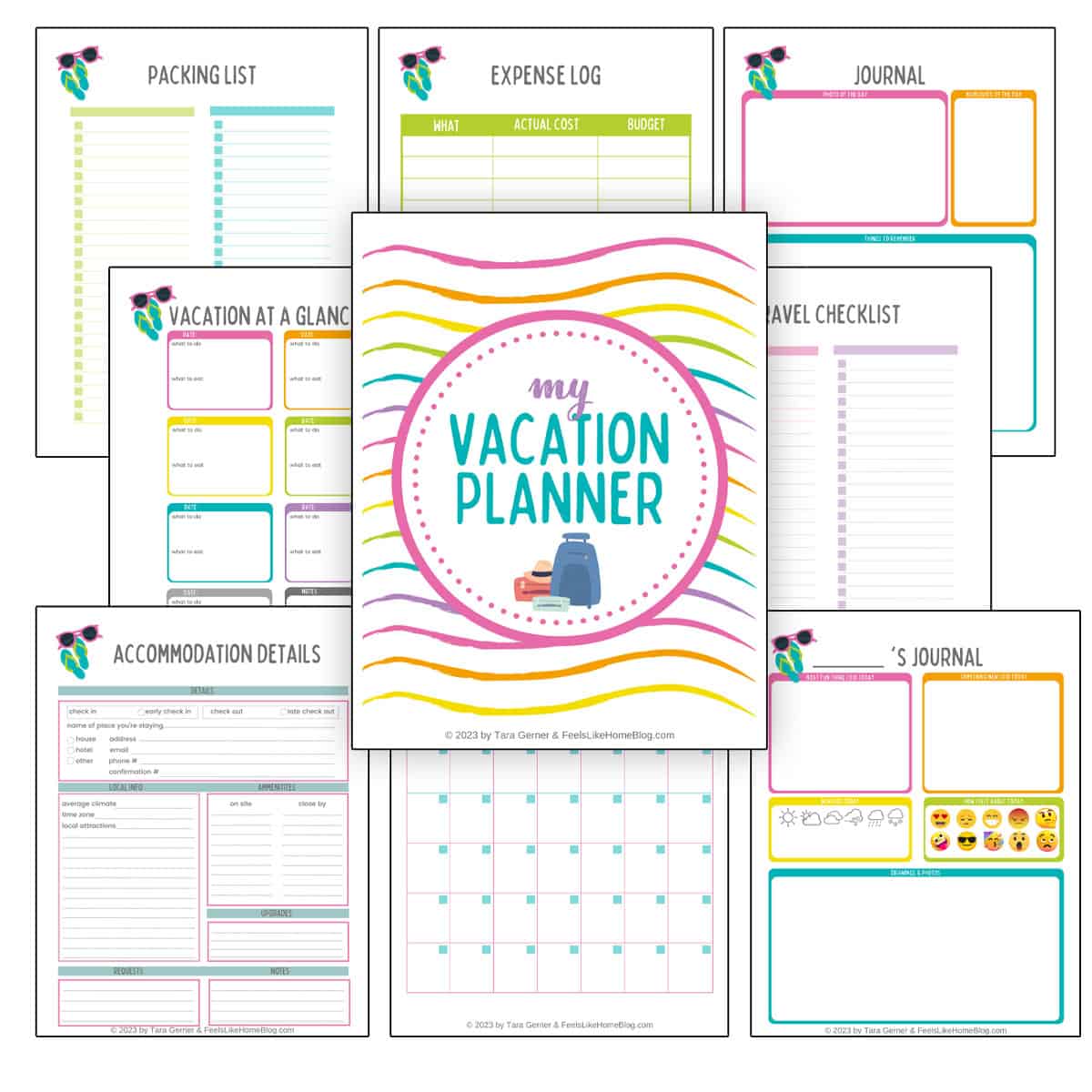
Create master lists by age group and season—laminate for reuse. Pack 5-7 outfits per child regardless of trip length—laundry facilities exist everywhere. Use packing cubes by outfit rather than clothing type—grab-and-go simplicity for hectic mornings prevents last-minute panic when someone spills breakfast.
Bring twice the usual underwear and socks. Pack one dressy outfit per person for unexpected nice dinners. Include comfort items but establish backup plans for lost lovies—pack duplicates when possible. Critical mistake to avoid: Don’t overpack shoes—three pairs per person max (sandals, sneakers, dress shoes) keeps luggage manageable.
Carry-On Essentials That Prevent Travel Disasters
Pack complete outfit changes for everyone in carry-ons—lost luggage affects families disproportionately. Include basic medications: children’s pain reliever, thermometer, and any prescription medications in original containers. Bring entertainment variety—tablets, coloring books, sticker activities, and small toys that don’t require batteries.
Include snacks that don’t crumble—granola bars, fruit leather, and crackers in individual bags. Pack empty Ziploc bags for wet clothes or trash. Bring sanitizing wipes for airplane trays and hotel remote controls—these high-touch surfaces harbor more germs than most realize.
Managing Daily Challenges on Family Vacations
Maintain key schedule anchors—wake-up and bedtimes remain consistent while allowing flexible activity timing. Build in daily quiet time even for older children—hotel room downtime prevents meltdowns. Use pool time as evening entertainment when restaurants run late, avoiding bedtime battles after overstimulation.
Plan morning activities for peak energy, leaving afternoons for rest or flexible exploration. Accept that seeing everything isn’t possible—quality experiences trump quantity. Schedule nap times using strollers or baby carriers when normal beds aren’t available. Pro tip: Pack surprise activity bags for challenging moments—new coloring books or small toys reset difficult moods within minutes.
Behavior Strategies That Keep Everyone Happy
Create daily job assignments—navigator, photographer, snack distributor—to engage older children. Use positive reinforcement systems with small daily rewards rather than end-of-trip promises. Establish clear expectations about souvenir budgets and purchasing timing before arriving at destinations known for tempting trinkets.
Practice restaurant behavior at home before traveling. Choose kid-friendly restaurants early in trips, gradually introducing more adventurous options. Warning: Avoid promising specific activities unless you’ve booked them—disappointment creates bigger meltdowns than managing expectations upfront.
Special Family Travel Scenarios Made Simple
Bring lightweight, collapsible strollers—umbrella models navigate cobblestones better than travel systems. Pack twice the formula and diapers needed—availability varies dramatically internationally. Request airplane bassinets for long flights—book bulkhead seats early as these limited amenities disappear quickly.
Use baby carriers for hands-free sightseeing. Research destination breastfeeding laws and facilities. Pack inflatable bathtubs for hotel stays—most lack appropriate baby bathing options, turning simple bedtime routines into logistical nightmares.
Multi-Generational Trips That Satisfy Everyone
Choose destinations with varied activity levels—beach resorts offer pool relaxation for grandparents while providing water sports for teens. Book adjoining rooms rather than shared suites—privacy prevents conflicts that escalate quickly in close quarters. Plan separate activities occasionally—adults enjoy wine tastings while kids participate in resort programs.
Consider mobility limitations when booking tours—many historic sites lack elevator access. Schedule longer meal times to accommodate slower eating paces. Bring familiar card games for evening family bonding—these create traditions that extend beyond the trip itself.
Family travel success lies in preparation meeting flexibility. These strategies transform potential chaos into cherished memories, but remember—children feed off parental stress. When plans inevitably change, model adaptability rather than frustration. The spilled juice becomes tomorrow’s funny story, the missed train leads to unexpected discoveries, and the cranky toddler’s eventual smile makes every challenge worthwhile. Start implementing these family travel tips today, and prepare for your best family adventure yet.