
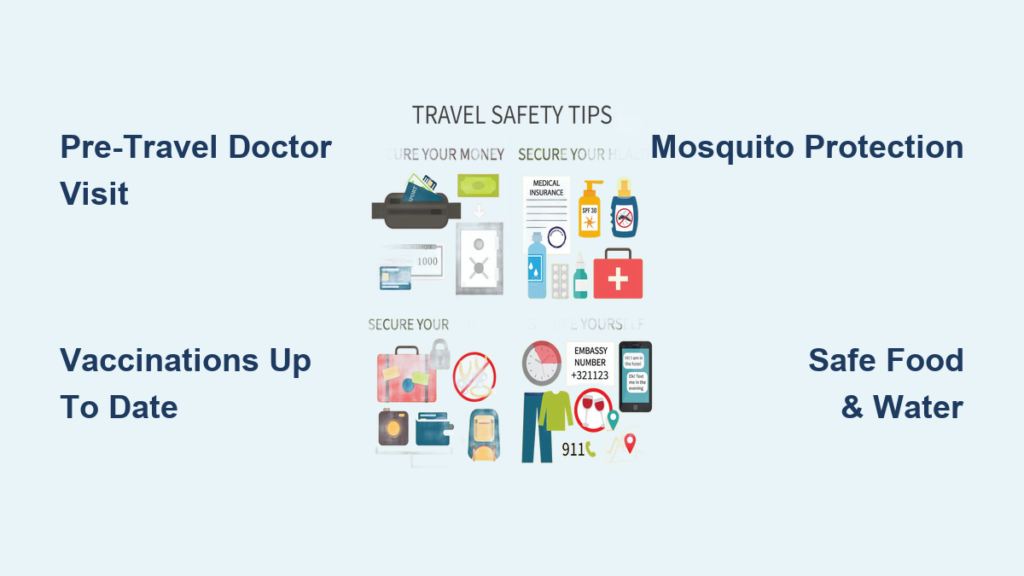
One missed vaccine or a single sip of contaminated water can transform your dream vacation into a medical nightmare. With international travel rebounding to pre-pandemic levels, health risks are evolving faster than many travelers realize. Recent dengue outbreaks across Latin America and the Caribbean have reached record levels, while malaria remains a constant threat in over 90 countries. These travel health tips provide actionable strategies to protect yourself from the most common—and preventable—health hazards you’ll face overseas. By implementing these evidence-based precautions before and during your trip, you’ll dramatically reduce your risk of becoming one of the millions of travelers who seek medical care abroad each year.
Schedule Your Pre-Travel Doctor Visit 4+ Weeks Early
Timing your medical consultation properly is your first line of defense against travel-related illnesses. Book your appointment at least 30 days before departure to allow sufficient time for vaccines requiring multiple doses or those that need time to build immunity. This window also gives your healthcare provider adequate time to assess destination-specific risks and prescribe necessary medications like malaria prophylaxis. Last-minute travelers often discover they can’t receive critical vaccines just days before flying—some immunizations require weeks between doses to be effective.
Verify All Routine Vaccinations Are Current
Before focusing on destination-specific immunizations, ensure your standard vaccines are up to date. Many adults mistakenly believe childhood vaccinations provide lifelong protection, only to discover they’re overdue for critical boosters. Measles outbreaks have surged globally, with unvaccinated travelers frequently bringing infections back home. Check your records for MMR, diphtheria-tetanus-pertussis, and annual flu shots—these routine immunizations form your foundational protection against preventable diseases.
Assemble a Complete Travel Health Kit
Your health kit should account for both routine needs and destination-specific risks. Pack medications assuming you won’t find replacements abroad:
Prescription Essentials:
– Bring 150% of your normal medication supply in original containers
– Carry written prescriptions with generic names
– Store backup supplies in separate luggage
Over-the-Counter Must-Haves:
– Broad-spectrum antibiotic ointment
– Oral rehydration salts for dehydration
– Anti-diarrheal medication (loperamide)
– Pain relievers (ibuprofen/acetaminophen)
– Antihistamines for allergic reactions
– Alcohol-based hand sanitizer (minimum 60% alcohol)
Confirm International Health Insurance Coverage
Most domestic health insurance plans become useless once you cross borders. Call your provider specifically asking about “international medical coverage” and “emergency evacuation benefits.” The harsh reality: medical evacuations can cost $50,000 or more, with many standard plans excluding overseas care entirely. Verify whether your existing insurance covers emergencies abroad or if you need supplemental travel insurance with comprehensive medical benefits.
Enroll in Government Traveler Protection Programs
Register with the State Department’s Smart Traveler Enrollment Program (STEP) for critical safety advantages. This free service delivers real-time security updates for your destination and enables emergency location services during crises. When political unrest or natural disasters strike, STEP has helped thousands of Americans receive timely assistance and coordinate with family back home. The enrollment process takes just minutes but provides invaluable peace of mind throughout your journey.
Research Destination Disease Risks Thoroughly

Every location carries unique health threats that require specific preparation. Tropical destinations demand rigorous mosquito-borne illness prevention, while high-altitude locations require altitude sickness planning. Use official CDC destination pages for current outbreak information rather than relying on outdated guidebooks or general travel blogs. Understanding whether your destination has active dengue, Zika, or malaria transmission determines your necessary prevention strategies.
Check Mandatory Vaccination Requirements
Some countries require proof of yellow fever vaccination for entry, while others demand polio boosters if arriving from affected regions. Airlines can deny boarding without proper documentation, so verify requirements 6-8 weeks before travel. The CDC maintains updated country-specific lists identifying areas with yellow fever transmission risk and countries requiring vaccination for entry. Ignoring these requirements can strand you at the airport or force last-minute, potentially unavailable vaccinations.
Master Mosquito-Borne Disease Prevention
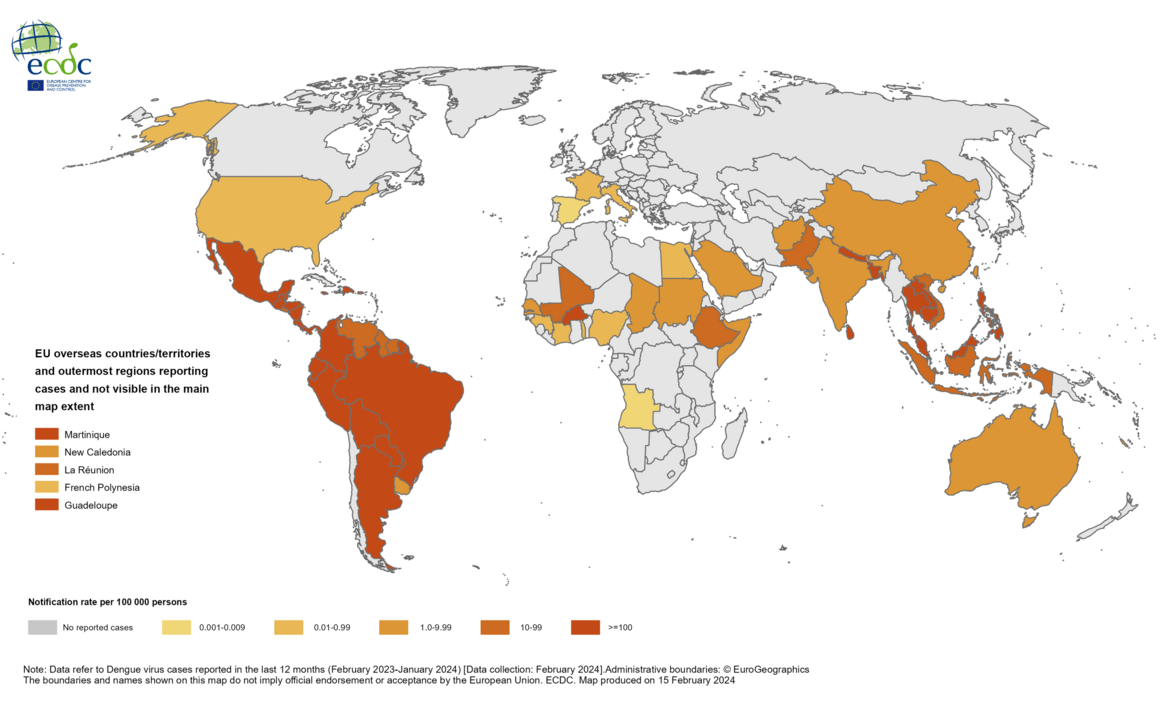
Mosquitoes transmit five major diseases that threaten travelers: malaria, dengue, yellow fever, Zika, and chikungunya. Prevention requires a multi-layered approach since no single method provides complete protection. Recent dengue outbreaks across Latin America have reached record levels, making enhanced prevention measures essential for travelers to Brazil, Colombia, Mexico, and Caribbean islands.
Implement Effective Repellent Strategies
Use EPA-registered repellents containing 20-30% DEET for optimal protection. Apply sunscreen first, then repellent—applying in reverse order reduces effectiveness by up to 30%. Reapply after swimming or heavy sweating, as moisture washes away protective coatings. For children, avoid products with oil of lemon eucalyptus or higher DEET concentrations.
Adopt Protective Clothing Habits
Wear long sleeves and pants during peak mosquito hours (dawn and dusk). Choose light-colored, loose-fitting clothing that makes you less attractive to insects. Treat clothing with permethrin, which remains effective through six washes and creates an invisible protective barrier. Sleep under permethrin-treated mosquito nets even in air-conditioned accommodations, as mosquitoes can enter during door openings.
Follow Strict Food and Water Safety Rules

Contaminated food causes 60% of travel-related illnesses, yet many travelers ignore basic precautions. Follow these evidence-based rules to avoid traveler’s diarrhea and more serious conditions:
Safe Food Choices:
– Eat only steaming hot, freshly cooked foods
– Choose fruits you peel yourself (bananas, oranges)
– Skip raw vegetables and salads entirely
– Avoid street food unless watching it cooked fresh
Water Safety Protocol:
– Drink only factory-sealed bottled water
– Skip ice cubes (typically made from tap water)
– Use bottled water for brushing teeth
– Choose canned/bottled beverages over fountain drinks
When Water Treatment Is Necessary:
Boil water for one full minute (three minutes at altitude). Water purification tablets work when boiling isn’t possible. Portable filters remove bacteria but not viruses—in destinations with hepatitis A risk, combine filtration with chemical treatment for complete protection.
Practice Transportation Safety Vigilance
Motor vehicle accidents kill more travelers than infectious diseases, yet many ignore basic safety protocols. Road safety varies dramatically worldwide, with some countries having fatality rates 10 times higher than the United States.
Rental Car Precautions:
– Inspect vehicles thoroughly before accepting
– Refuse cars without functioning seatbelts
– Avoid night driving in unfamiliar locations
– Research local traffic rules and patterns
Pedestrian Awareness:
– Look right first in left-driving countries
– Cross streets only at designated areas
– Remove headphones and stay alert
– Assume drivers don’t see you
Monitor Health After Returning Home
Some travel illnesses appear weeks after your trip ends. Malaria can develop months later, while certain parasitic infections may take even longer to manifest. Keep a symptom diary for two weeks post-travel, noting any fever, persistent diarrhea, unusual rashes, or severe fatigue. Tell every healthcare provider about your recent international travel—even for routine visits—as many travel-related illnesses mimic common conditions but require specialized testing and treatment.
2024 Disease Outbreak Alert Checklist
Stay informed about current health threats before departure:
- Dengue Surge: Record-breaking outbreaks across Latin America and Caribbean islands
- Zika Precautions: Sporadic transmission continues; pregnant travelers should avoid endemic areas
- Yellow Fever Requirements: Mandatory vaccination for travelers to/from certain African and South American countries
- Malaria Risk: Present in over 90 countries; verify prophylaxis needs for your specific itinerary
Before departure, confirm you’ve:
– [ ] Scheduled pre-travel medical appointment 4+ weeks early
– [ ] Verified all routine vaccinations are current
– [ ] Packed 150% of prescription medications
– [ ] Purchased travel insurance with medical coverage
– [ ] Researched destination-specific disease risks
– [ ] Packed EPA-registered insect repellent
The best souvenir isn’t a tan—it’s returning home healthy. These travel health tips transform potential disasters into minor inconveniences, keeping your focus on incredible experiences rather than emergency rooms. By implementing these strategies, you’ll join the growing number of travelers who explore the world safely while others fall victim to preventable illnesses. Safe travels!